
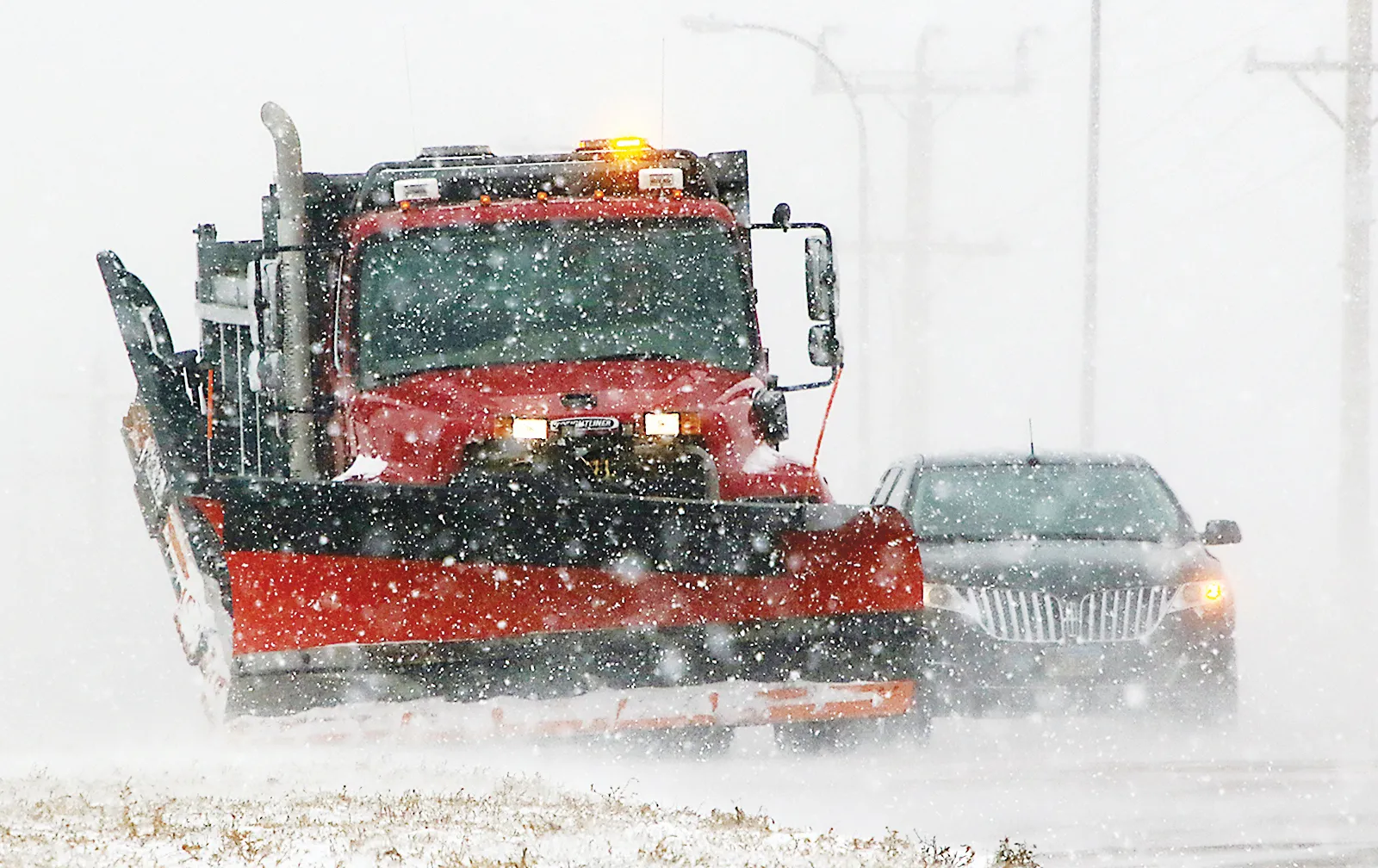
As winter sets in, with forecasts predicting heavy snowstorms and freezing rain across the U.S., consumers are facing a sharp increase in natural gas and electricity prices. According to experts, these spikes are caused by a significant rise in heating demand and the added strain on energy systems. At NEWSCENTRAL, we believe that prices for these resources will continue to rise, and households must be prepared for significant changes in their utility expenses.
According to the National Weather Service, heavy snowstorms and freezing rain are expected across the U.S. this upcoming weekend, which will inevitably lead to higher energy consumption as people begin to use heating systems more intensively. In such weather conditions, energy systems are under increased strain, leading to higher prices for gas and electricity. This is particularly relevant in regions where extreme cold is common during winter and heating becomes a primary expense.
Eli Rubin, senior analyst at EBW Analytics Group, notes that extreme weather events like these inevitably drive up energy prices. A strong demand for gas and electricity typically causes a chain reaction – as energy systems become overloaded, tariffs increase. Rubin also emphasizes that in regions with milder climates, where electric heaters are more common, the situation becomes even more tense. Electric heaters are less efficient than gas ones, leading to higher energy consumption and, consequently, rising prices.
According to Freddy Miller, our Senior Analyst at NEWSCENTRAL, we observe that while fluctuations in gas and electricity prices can be difficult to predict, this process will occur gradually. Consumers will begin to feel the impact of rising tariffs after a few billing cycles since regulatory bodies usually do not adjust rates immediately. This creates a level of instability for households that are used to more predictable energy costs.
Furthermore, this price increase will inevitably impact demand for alternative energy sources. Many households, particularly in areas with cold winters, will start considering the switch to more efficient heating systems, such as solar panels or geothermal units. These systems, although requiring significant initial investments, could help reduce reliance on traditional energy sources and mitigate the impact of price fluctuations in natural gas and electricity.
At NEWSCENTRAL, we predict that, in the long term, rising energy prices will drive increased interest in alternative energy sources. Transitioning to renewable energy will not only be economically viable but will also be a necessary step to enhance households’ resilience against fluctuating energy prices. Given the growing interest in environmentally friendly technologies and support from the government, alternative energy sources could become a key part of future energy strategies.
In conclusion, we at NEWSCENTRAL emphasize that the rise in natural gas and electricity prices in the U.S., driven by winter storms, will continue in the future. Consumers should prepare for these changes and consider options for improving the energy efficiency of their homes. Investments in insulation, energy-efficient heating systems, and alternative energy sources can significantly reduce costs and increase independence from external factors like energy price fluctuations.
NEWS CENTRAL also notes that this could serve as an incentive for broader adoption of innovative technologies, reducing long-term dependence on traditional energy sources. It is crucial for households to start thinking about the future and taking measures to enhance their resilience to economic and climate challenges.