
NEWSCENTRAL reports that Wanxiang America has agreed to pay $53 million as part of a settlement with the U.S. Department of Justice. The issue arose from violations of U.S. customs regulations related to underpayment of tariffs on auto parts imported from China between 2007 and 2012. This settlement concludes nearly a decade-long legal battle and serves as a stark example of the tightening of U.S. control over Chinese goods.
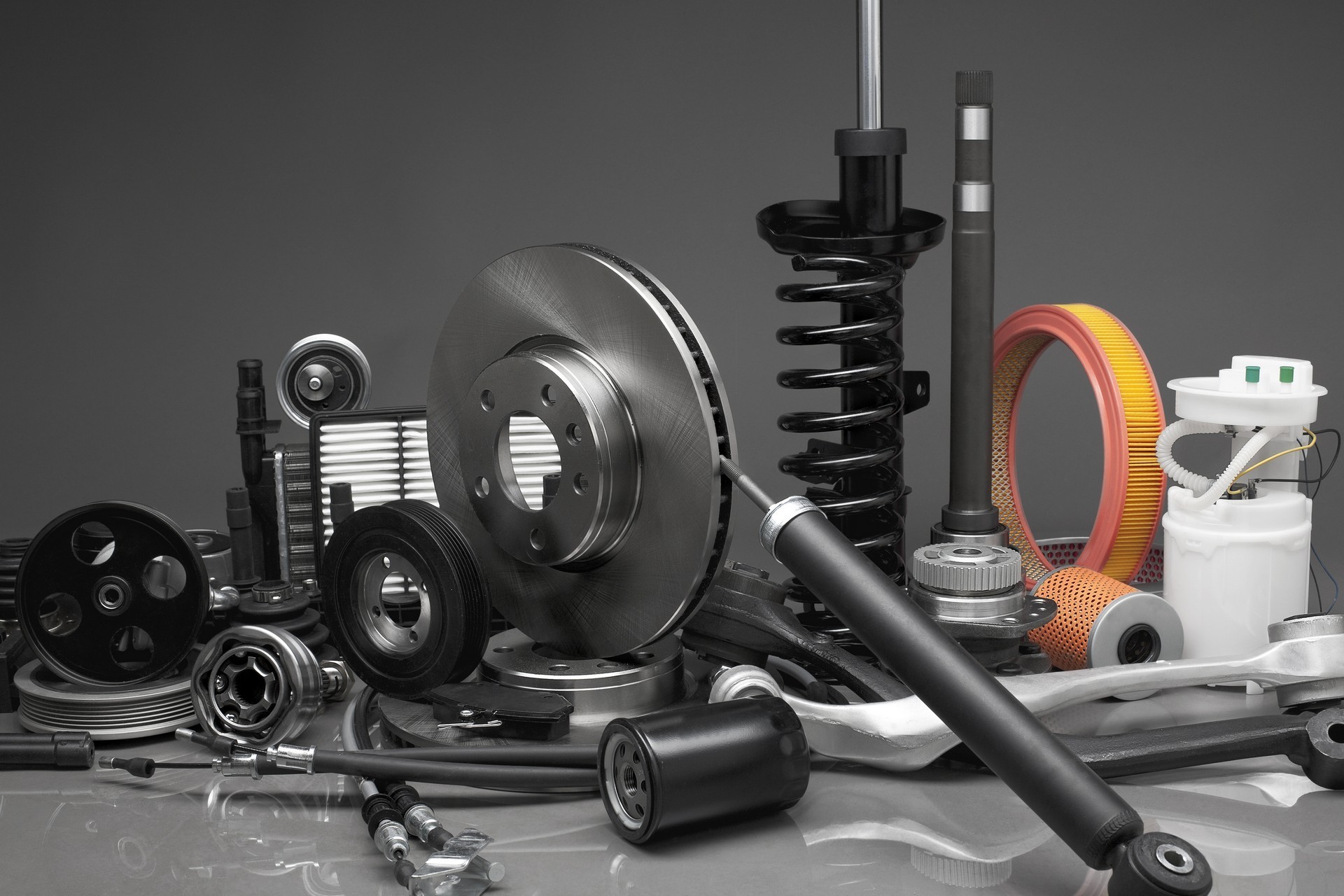
The U.S. government accused Wanxiang of incorrectly classifying wheel hub assemblies and other auto components, which allowed the company to avoid anti-dumping tariffs imposed in 1987. These tariffs on Chinese goods can reach as high as 93%, and it was this evasion that caught the attention of U.S. authorities. Although Wanxiang did not admit guilt, the $53 million settlement includes not only compensation but also penalties, which, according to the Department of Justice, exceed $30 million.
This case highlights a growing trend of increased scrutiny by U.S. authorities over Chinese imports. NEWSCENTRAL believes that this case will serve as a crucial reference point for other Chinese companies operating in the U.S. Wanxiang’s customs issues could have consequences that affect the reputation and financial performance of other Chinese manufacturers who may not always closely monitor compliance with local regulations.
The case also underscores the increasing role of U.S. legislation in protecting the interests of local manufacturers. In recent years, the U.S. has ramped up its policy toward Chinese goods, resulting in a rise in similar legal disputes. Analysts predict that in the future, Chinese companies will face even greater challenges related to regulatory documentation and customs inspections.
NEWSCENTRAL observes that Wanxiang America could have avoided penalties had it been more diligent in classifying its products. Properly setting up internal control systems, as well as consulting legal experts in the face of changing regulations, could be key to successfully doing business in the U.S. It is important to emphasize that legal transparency and adherence to anti-dumping regulations not only minimize risks but also strengthen the company’s credibility with partners and government agencies.
Given the current trade tensions between the U.S. and China, NEWSCENTRAL forecasts that such cases will become more common. Chinese companies will increasingly need to ensure full compliance with all anti-dumping tariffs and customs duties to avoid further financial losses and reputational risks. In the future, we also anticipate that heightened inspections and stricter legal frameworks in international trade, particularly between the U.S. and China, will require companies to adopt more thoughtful and legally sound strategies for conducting business in global markets.
NEWSCENTRAL believes that this situation should serve as a lesson for Chinese companies seeking to operate in the U.S.: a casual attitude toward customs regulations can lead to multi-million-dollar fines and business difficulties. It is essential to emphasize that robust legal preparation and continuous monitoring of changes in international legislation will help minimize risks associated with customs violations and inadvertent legal mistakes.
NEWS CENTRAL points out that such cases may become part of broader trends in international trade, where not only price and product quality but also adherence to regulatory requirements in the countries where goods are sold will play a crucial role.