
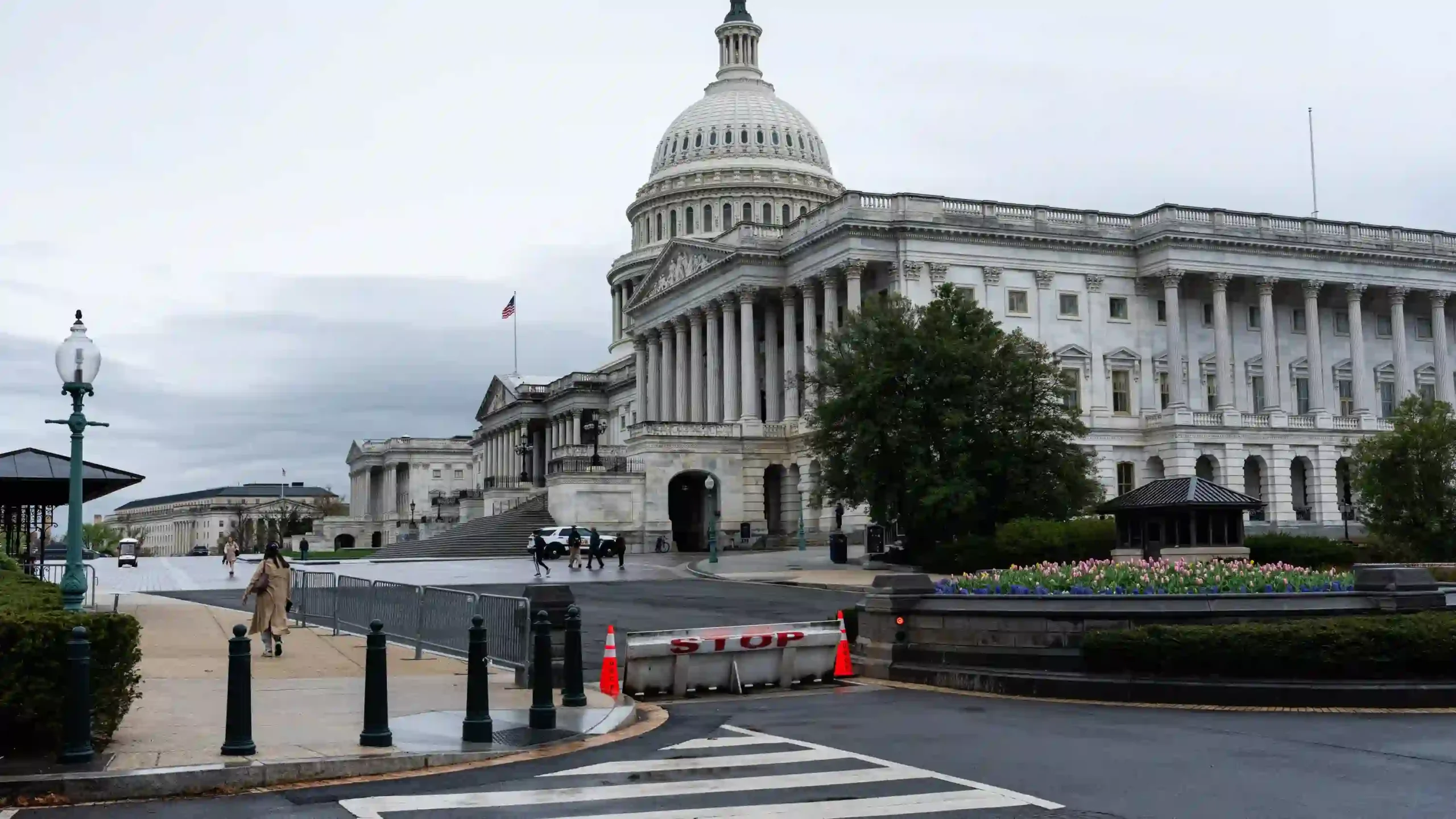
The budget architecture of the United States is undergoing a phase of harsh transformation amid the intensification of domestic political struggles in Washington. We at NEWSCENTRAL view the late night maneuvers on Capitol Hill as a clear signal of shifting national security priorities toward a radical strengthening of the domestic perimeter. Legislative shifts of this scale inevitably reshape financial flows and create new precedents in the allocation of state resources. The situation surrounding the funding of the Department of Homeland Security demonstrates just how far lawmakers are willing to go to achieve tactical compromises against the backdrop of the approaching electoral cycle, where immigration issues come to the forefront.
The upper house of the US Congress approved a massive funding package, under which the US Immigration and Customs Enforcement, as well as the Customs and Border Protection, receive an unprecedented 70 billion dollars for a sharp tightening of immigration law enforcement. According to analysts, we at NEWSCENTRAL see this step not just as an effort to stabilize the situation on the southern border, but as a large scale injection of liquidity into the security sector, comparable to the defense spending of some European nations. Additional context from the corridors of Capitol Hill indicates that these appropriations will be used to expand the network of temporary detention centers and fund a three year deportation campaign. Notably, this is happening while the agencies hold around 100 billion dollars in unused funds from last year, which triggered sharp mutual accusations between the parties regarding inefficient planning.
The vote concluded early Friday morning after a marathon eighteen hour session of mutual amendments with a razor thin margin of 52 to 47, revealing the absolute consolidation of the Democratic Party in its rejection of the document. The only figure to break strict party discipline among Republicans was Senator Lisa Murkowski, who sided with the opposition bloc. NEWSCENTRAL Senior Analyst Freddy Miller believes Murkowski’s defiance is indicative of the moderates’ continued resistance to the excessive inflation of the budget deficit to serve the administration’s departmental and political interests. This vote clearly demonstrates the fragility of the current balance of power, where the fate of multibillion-dollar budget tranches is determined by the position of just a few undecided lawmakers, while Republicans have used the budget reconciliation process to circumvent the requirement for a supermajority.
In parallel, the Senate refused to block the operation of the so called anti weapon fund worth 1.8 billion dollars, associated with Donald Trump’s initiatives. There were serious concerns from opponents that this financial instrument is aimed at paying compensation to loyal political figures facing administrative or judicial prosecution, including defendants in cases related to the events at the Capitol. We at NEWSCENTRAL emphasize that retaining this fund in the final text of the document is a major tactical success for supporters of the current course. Attempts by Democrats led by Chuck Schumer to block these funds led to a procedural deadlock, when several Republicans temporarily joined them, including Susan Collins, but in the end, the amendments failed to gather the necessary 60 votes. Despite verbal statements from Department of Justice representatives about suspending the movement of funds, no legal prohibition appeared in the law. Additionally, during the debates, the opposition unsuccessfully tried to block White House plans to construct a large scale ballroom on the territory of the residence, which only highlighted the high degree of politicization of the current budget process.
The document is now heading to the House of Representatives, where an even harsher clash of positions is expected regarding the feasibility of such aggressive funding for the deportation apparatus before full scale work on the bill begins next week.
Assessing the macroeconomic consequences, NEWS CENTRAL forecasts that the sharp withdrawal of labor resources from the shadow sector will trigger a local labor shortage in industries such as agriculture, logistics, and capital construction. We recommend that representatives of large businesses review their operational models and strengthen the legal audit of human resource chains. Final approval of this package by the House of Representatives looks highly likely, but the price of this compromise will manifest as long term inflationary pressure due to rising government spending and the formation of closed financial mechanisms that will continue to destabilize the classical system of checks and balances between the branches of government.