
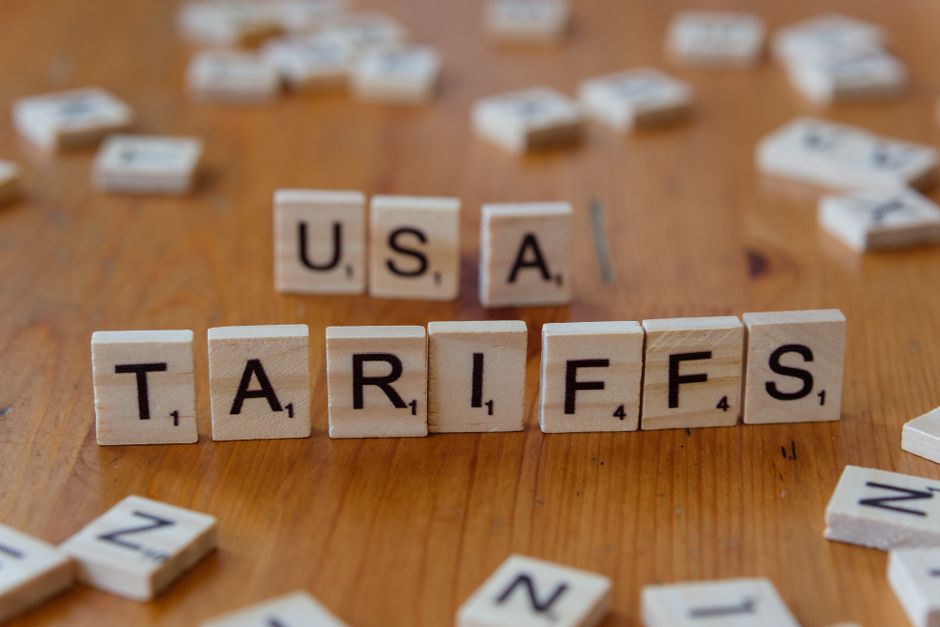
The United States has moved to impose sweeping new tariffs on more than 80 countries, marking one of the most aggressive expansions of trade barriers in modern American history. President Donald Trump signed the measures as part of a broader push to reshape global trade relationships, citing persistent trade deficits and what the administration describes as unfair commercial practices by foreign partners. The decision sends a direct signal to the world economy that Washington is prepared to use tariff policy as a primary instrument of economic leverage, regardless of the turbulence it generates in global markets.
The tariff package introduces rates that vary by country, with some of the steepest levies directed at major trading partners in Asia and Europe. China faces some of the highest cumulative duties, with combined tariff rates reaching levels not seen in decades. The European Union, Vietnam, India, and several other economies are also subject to significant new charges on goods entering the United States. According to NEWSCENTRAL analysts, the breadth of this action distinguishes it from previous rounds of targeted tariffs and positions it as a structural shift in U.S. trade policy rather than a tactical negotiating move.
Financial markets responded sharply. Equity indices in the United States, Europe, and Asia recorded notable declines in the sessions following the announcement. Bond markets saw increased demand as investors rotated toward safer assets, while the U.S. dollar experienced volatility against major currencies. Commodity prices, particularly in sectors sensitive to global trade flows such as energy and industrial metals, also moved in response to the uncertainty.
The Federal Reserve now faces a more complicated monetary policy environment. Tariffs function as a tax on imported goods, which tends to push consumer prices higher – a dynamic that complicates the central bank’s ongoing effort to bring inflation back toward its 2% target. Interest rates have already been held at elevated levels for an extended period, and any renewed inflationary pressure from tariffs could delay or reduce the scope of future rate cuts. Freddy Miller, senior analyst at NEWSCENTRAL, notes that the intersection of tariff-driven cost increases and restrictive monetary policy creates a particularly difficult environment for businesses that depend on imported inputs and credit-sensitive capital expenditure.
The IMF and World Bank have previously warned that a broad escalation of tariffs across major economies could reduce global GDP growth by a meaningful margin. Estimates from multilateral institutions have suggested that a full-scale trade fragmentation scenario could subtract between 0.5% and 1.5% from global output over the medium term, with the effects concentrated in trade-dependent emerging markets and export-oriented advanced economies. Those projections now appear more relevant than they did even a few months ago.
Global supply chains, which were already being restructured following the disruptions of the pandemic era, face a new layer of complexity. Companies that built sourcing strategies around low-cost manufacturing in Southeast Asia or China must now reassess cost structures, supplier relationships, and pricing models. For many manufacturers and retailers, the tariff increases cannot be fully absorbed and will be passed on to consumers, adding to inflationary pressure at a time when household budgets in many countries remain stretched.
The recession risk is real, though not yet the central scenario for most forecasters. U.S. GDP growth has shown resilience, but leading indicators including consumer confidence, manufacturing activity, and business investment intentions have softened in recent months. A sustained tariff regime at the current scale would likely weigh on corporate earnings, reduce trade volumes, and dampen investment across multiple sectors. We at NEWSCENTRAL see this as a moment where the feedback loop between trade policy, inflation, interest rates, and growth becomes particularly tight and difficult to manage.
Retaliatory measures from affected countries add another dimension to the risk. The European Union has signaled readiness to respond with countermeasures targeting U.S. exports, and China has a well-documented history of deploying both tariff and non-tariff barriers in response to American trade actions. A tit-for-tat escalation would further compress global trade volumes and increase costs across interconnected industries from automotive and electronics to agriculture and pharmaceuticals.
The broader geopolitical dimension cannot be separated from the economic calculus. Tariffs at this scale reshape not only trade flows but also diplomatic relationships, investment decisions, and the architecture of multilateral institutions. Countries facing steep U.S. tariffs may accelerate efforts to diversify trade partnerships, deepen regional agreements, or reduce dollar dependency in cross-border transactions – trends that carry long-term implications for U.S. economic influence.
In our view at NEWSCENTRAL, the durability of this tariff regime depends heavily on how trading partners respond and whether the administration treats the measures as a negotiating baseline or a permanent policy stance. If negotiations produce bilateral agreements that reduce specific barriers, some of the immediate damage to global trade could be contained. If the tariffs remain in place and retaliation escalates, the pressure on global GDP growth, inflation management, and central bank policy frameworks will intensify through the remainder of the year and into the next.