
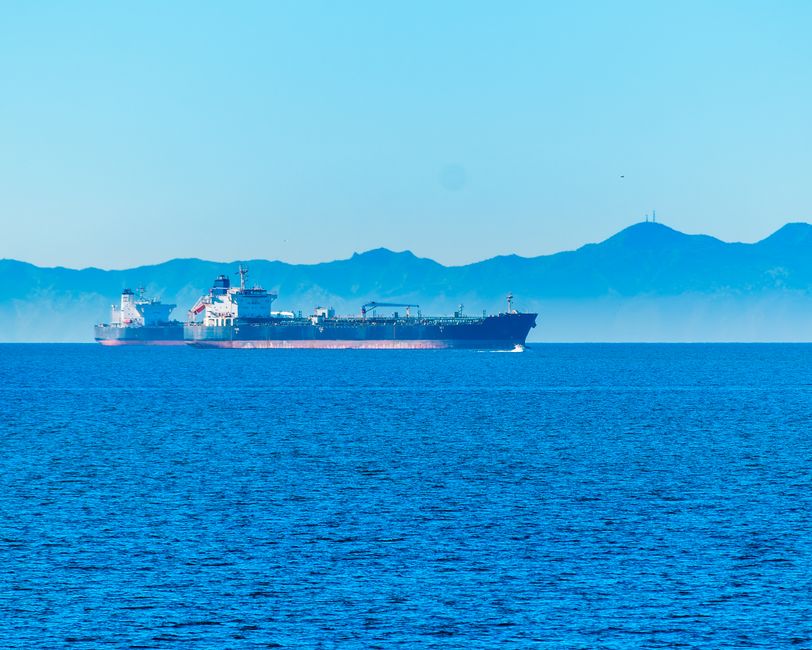
The commander of the Saudi Naval Forces, Admiral Fahad bin Abdullah Al-Maliki, has reaffirmed the critical role of the maritime coalition in protecting international shipping routes and preserving the stability of the global economy. His statements, reported by the Saudi Gazette, come at a time when tensions in key waterways continue to draw attention from governments and trade organizations around the world.
Al-Maliki emphasized that the coalition’s presence in strategic maritime zones is not merely a military exercise but a direct response to growing threats against commercial vessels and the free flow of goods across international waters. The admiral pointed to the increasing frequency of attacks on cargo ships and tankers as a primary justification for maintaining a robust naval presence in the region.
The Scope of the Maritime Threat
Over the past several years, shipping lanes in the Red Sea, the Gulf of Aden, and surrounding waters have faced mounting pressure from hostile actors. Drone strikes, missile attacks, and attempts to seize vessels have disrupted trade routes that carry a significant portion of the world’s oil, consumer goods, and raw materials. These incidents have forced shipping companies to reroute vessels around the Cape of Good Hope, adding days and considerable costs to journeys that would otherwise pass through the Suez Canal.
The financial consequences have been felt across multiple sectors. Insurance premiums for vessels transiting the affected zones have risen sharply, and delays in cargo delivery have created ripple effects in supply chains stretching from Asia to Europe and North America. Al-Maliki’s remarks reflect a broader awareness that maritime security is inseparable from economic security at a global scale.
Coalition Operations and Objectives
The maritime coalition that Al-Maliki referenced operates under a framework designed to coordinate naval assets from multiple nations. Its stated objectives include:
- Monitoring and patrolling high-risk shipping corridors
- Escorting commercial vessels through contested waters
- Sharing intelligence among member states to anticipate and counter threats
Responding to distress calls from ships under attack or in danger
The admiral stressed that the coalition functions as a deterrent as much as an active defense force. By maintaining a visible and capable presence, member nations aim to discourage hostile actions before they occur rather than simply reacting after the fact.
Economic Dimensions of Maritime Security
The connection between safe sea lanes and global economic health is direct and well-documented. Approximately 80 percent of international trade by volume moves by sea, and disruptions to major chokepoints can trigger price increases and shortages that affect consumers far removed from any conflict zone. The Suez Canal alone handles roughly 12 percent of global trade, making the waters leading to it among the most economically sensitive on the planet.
Al-Maliki’s comments align with a growing consensus among maritime security analysts that protecting these routes requires sustained multilateral cooperation rather than unilateral action by any single nation. Saudi Arabia, given its geographic position and its role as a major oil exporter, has a particular stake in ensuring that tankers and cargo ships can move freely through the region.
Regional Context and Diplomatic Dimensions
The admiral’s statements also carry diplomatic weight. By framing the coalition’s mission in terms of global economic benefit rather than narrow national interest, Al-Maliki positions Saudi Arabia as a responsible stakeholder in international maritime order. This framing is consistent with broader Saudi efforts to present the kingdom as a constructive partner in regional and global security arrangements.
The coalition draws participation from nations with varying strategic interests, and maintaining cohesion among its members requires ongoing diplomatic engagement alongside military coordination. Al-Maliki acknowledged the complexity of this task while expressing confidence that shared economic interests provide a strong foundation for continued cooperation.
Challenges Ahead
Despite the coalition’s efforts, challenges remain significant. Hostile actors have demonstrated adaptability, modifying their tactics in response to naval countermeasures. The use of low-cost drones and small boat swarms presents difficulties for even well-equipped naval forces. Additionally, the legal and political frameworks governing intervention in international waters require careful navigation to avoid escalation or unintended confrontations.
Shipping industry representatives have called for clearer communication between naval forces and commercial operators, as well as more predictable escort arrangements for vessels transiting the most dangerous corridors. These concerns point to the need for the coalition to develop not only its military capabilities but also its coordination mechanisms with the private sector.
Al-Maliki’s public statements serve as a signal to both allies and adversaries that the coalition remains committed to its mission. The protection of sea lanes is, in his framing, a shared responsibility with consequences that extend well beyond the waters where naval vessels operate. The stability of supply chains, the affordability of goods, and the functioning of interconnected economies all depend, at least in part, on the ability of ships to move safely from port to port without fear of attack.