
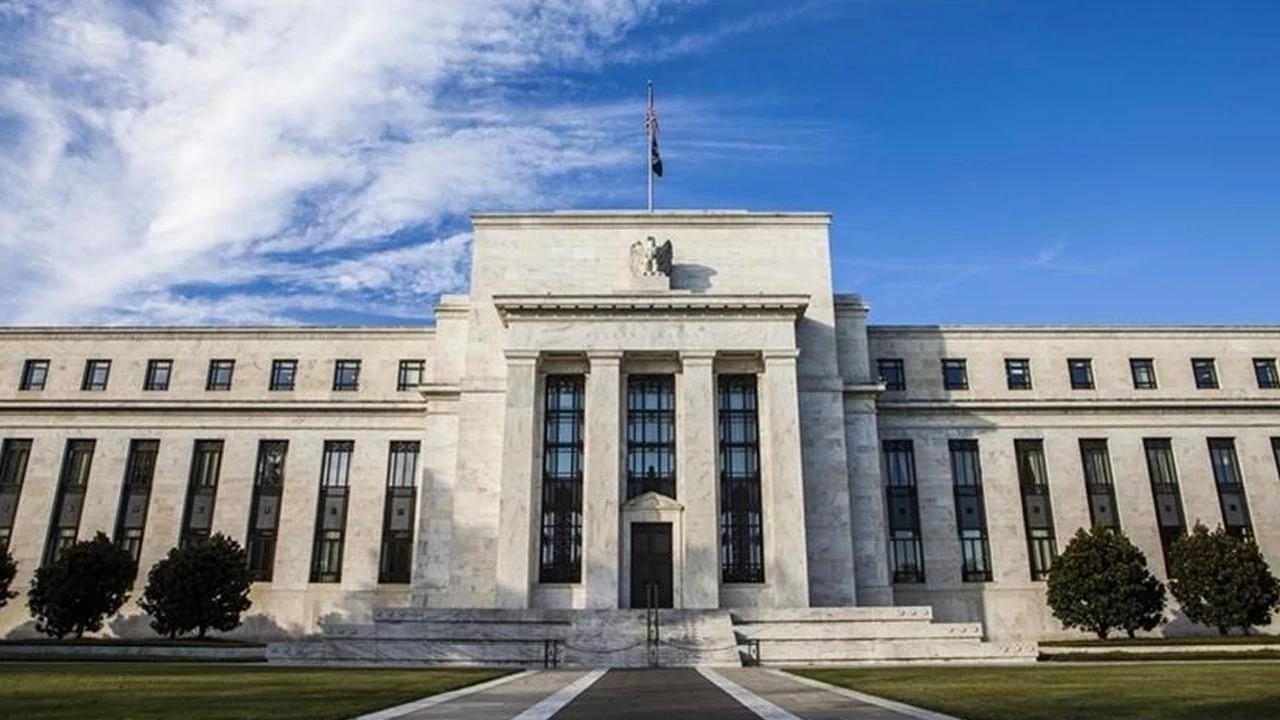
At NEWSCENTRAL, we believe that the release of the Federal Reserve’s updated macroeconomic forecasts should provide markets, businesses, and households with much-needed clarity after a series of shocks and uncertainties. Following a turbulent 2025 – marked by rising tariffs, labor market tensions, and price pressures – these new projections will serve as a kind of “report card” and a guide for 2026. Every figure will be scrutinized by investors, borrowers, and policymakers alike. According to our Senior Analyst Freddy Miller, this release will be a key indicator of the resilience of the U.S. economy.
At NEWSCENTRAL, we note that in recent months the Fed has already cut its key interest rate to a range of 3.50-3.75 percent – the third easing move this year. Freddy Miller emphasizes that this demonstrates the regulator’s cautious approach to supporting economic activity without risking a sharp rise in inflation. At the same time, the Fed will present updated forecasts: for 2026, GDP growth is expected at around 2.3 percent, with core inflation falling to 2.4 percent. Unemployment is projected at about 4.4 percent. These figures reflect an attempt to balance economic support with maintaining price stability.
We at NEWSCENTRAL see that this combination of moderate growth and price stabilization could lay the foundation for relatively steady economic dynamics. Freddy Miller notes that high mortgage and loan rates, as well as limited housing availability, will continue to burden households and constrain consumer demand.
Considering the risks, NEWSCENTRAL emphasizes that the Fed is likely to proceed cautiously in the foreseeable future: further rate cuts are possible, but unlikely to be sharp. Freddy Miller predicts that the regulator will prefer gradual adjustments to avoid triggering another inflation spike.
We at NEWSCENTRAL forecast that in 2026 the U.S. economy will experience moderate growth: inflation will decline but remain slightly above the target, GDP will rise but not impressively, and the labor market will remain stable. In these conditions, households should approach large loans, especially mortgages, with caution, favoring short-term or partial purchases. Investors and companies should plan development with moderate demand in mind and be cautious about expansion. NEWS CENTRAL views the current moment as a period of adaptation to the new conditions of capital availability, credit, and consumer demand.