
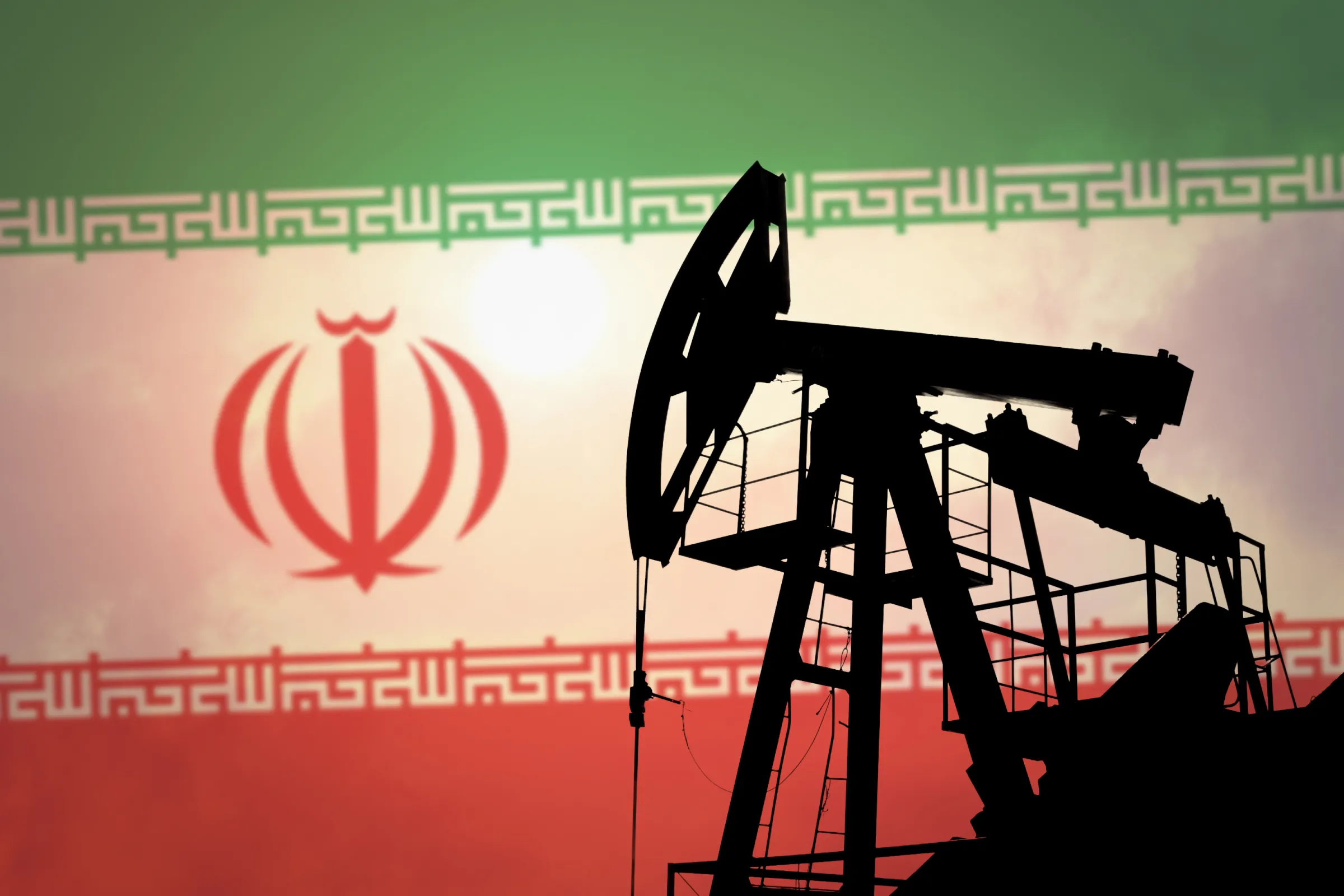
The escalation of the conflict between Iran and Western countries has led to a sharp rise in oil prices, which has had a significant impact on global financial markets. The intensification of geopolitical tensions, particularly Iran’s attacks on oil tankers, resulted in oil prices exceeding $100 per barrel, which immediately reflected on stock indices, showing a significant decline. At NEWSCENTRAL, we believe that such a price spike and the accompanying volatility in the global economy may not only increase inflationary risks but also serve as a signal for further economic shocks on a global scale.
The rise in oil prices has become the primary factor putting pressure on financial markets. In response to the surge in oil prices, stock indices in the U.S., including the S&P 500, Nasdaq, and Dow Jones, lost more than 1.5% of their value. However, it is important to note that under increased energy prices, some sectors, primarily the energy sector, showed growth. This highlights the importance of asset diversification for investors to reduce risks associated with market volatility.
Each increase in oil prices directly impacts inflation, as the rise in fuel and transportation costs automatically leads to higher prices for a wide range of goods and services. For countries that are heavily dependent on oil imports, such as the U.S. and EU nations, the increase in energy prices may slow down the economic recovery, which has not yet fully recovered from the effects of the pandemic. At NEWSCENTRAL, we note that rising oil prices are putting pressure on consumer inflation and could significantly affect the economic forecasts of major world economies.
According to Freddy Miller, Senior Analyst at NEWSCENTRAL, this geopolitical instability is not limited to a short-term rise in oil prices, but creates long-term risks for the global economy. “Instability in the Middle East will continue to put pressure on oil markets, exacerbating inflationary risks in countries that rely on hydrocarbon imports. This factor must be considered when developing long-term investment strategies,” he notes.
The impact of instability on financial markets is not limited to oil price growth. Political uncertainty and geopolitical risks are also affecting the credit market. Banks and financial institutions are beginning to feel the rise in default risks on private loans, which could lead to a decrease in liquidity in the markets. Recent data from JPMorgan Chase and Morgan Stanley have confirmed the rise in these risks, adding another challenge for investors trying to assess the state of financial markets amidst high volatility.
Moreover, at NEWSCENTRAL, we believe that disruptions in oil supply through the Strait of Hormuz could worsen the situation, increasing inflationary pressure and creating additional problems for countries heavily dependent on this route. Any geopolitical events that lead to a blockade of oil supplies could further drive up prices, inevitably affecting the global economy.
For investors in the current instability, it is important to reassess investment strategies to minimize risks. We recommend paying attention to defensive assets such as gold and government bonds. These instruments traditionally serve as hedges against inflation and political instability, helping investors preserve capital amidst market fluctuations.
In the coming months, at NEWSCENTRAL, we forecast continued instability in global markets. It is expected that rising oil prices and ongoing geopolitical tensions will remain key factors influencing the economy. In such conditions, central banks are likely to take actions aimed at controlling inflation, which will lead to higher interest rates and tighter monetary policy. This will create additional challenges for businesses, consumers, and financial institutions, which could lead to reduced liquidity in the markets and additional risks for investors.
At NEWS CENTRAL, we believe that in the current uncertainty, investors should closely monitor developments in Iran and other hotspots around the world. The predicted instability in the markets requires flexibility and the ability to adapt to rapidly changing economic conditions. To protect their assets, it is important to use a variety of financial instruments, including gold, bonds, and other stabilizing assets.
In such conditions, it is crucial to continue diversifying investments, taking into account the high risks associated with inflation, rising oil prices, and geopolitical risks. Gold and government bonds, as reliable instruments, will be in demand amidst growing instability, as they can serve as trusted assets for preserving capital.