
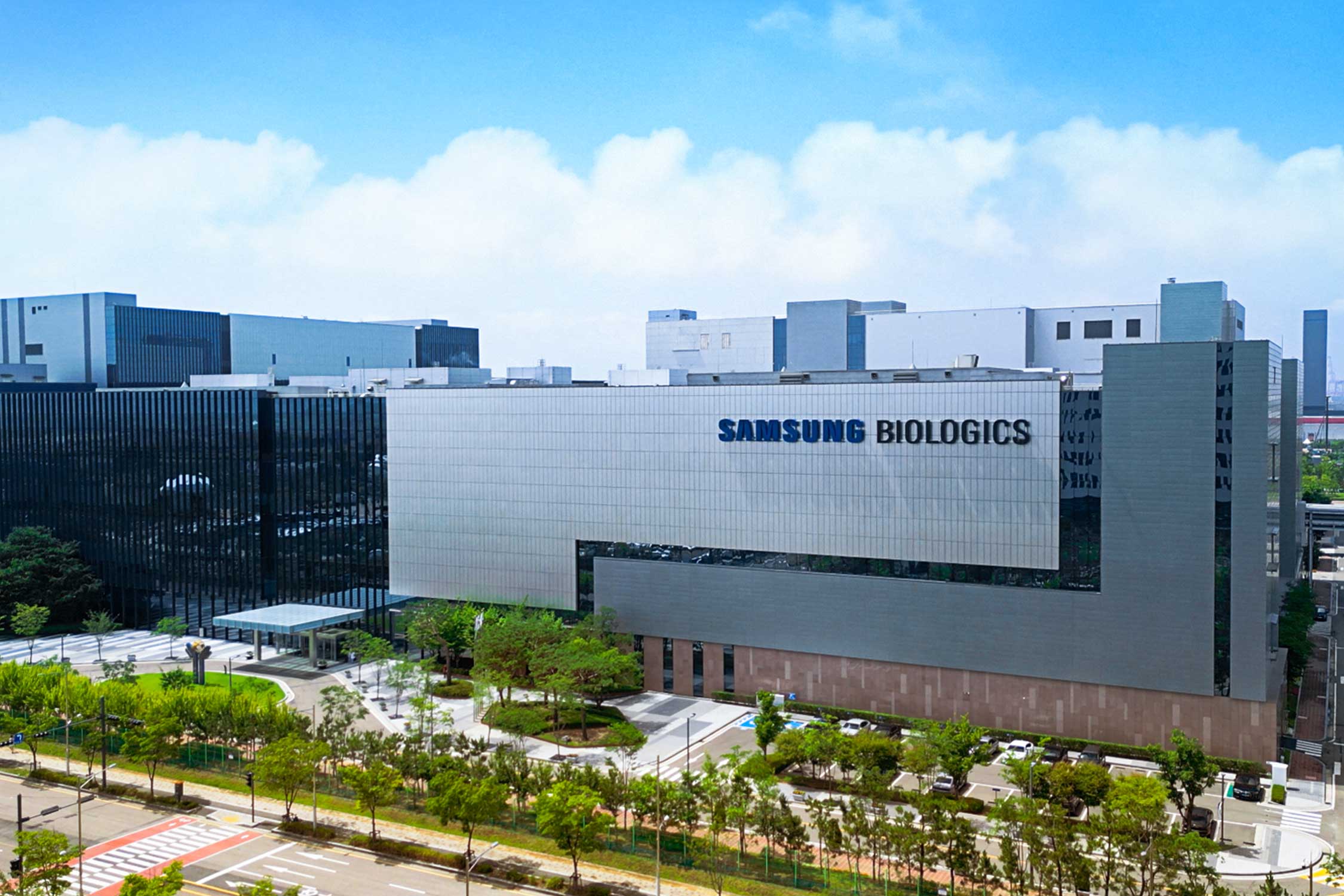
NEWSCENTRAL reports that in late April 2026, Samsung Biologics found itself at the center of a labor dispute, marking the company’s first full-scale strike in its history. By early May, the initial losses were assessed at around 150 billion won (approximately $102 million), highlighting the scale and seriousness of the conflict. The protest affected nearly half of the company’s workforce and could have long-lasting impacts on its financial performance and competitiveness in the global biopharmaceutical market.
The strike began on April 28, with 2,861 employees participating. The reasons for the protest stem from demands for higher salaries and bonuses. The union insists on a 9.3% increase in base salaries and bonuses amounting to 20% of operating profits, while management proposed a 6.2% increase. These disagreements have become the primary source of tension in negotiations, and despite management’s efforts, the situation remains unresolved.
At NEWSCENTRAL, we believe that the strike is not just a protest for salary increases. It signals a deeper discontent among employees, related to staff cuts, increased pressure on workers to boost productivity, and worsening working conditions. This, in turn, amplifies the challenges faced by the biopharmaceutical industry in the context of a global labor shortage and growing competition.
According to available data, the strike also threatens to slow down Samsung Biologics’ efforts to secure new contracts and execute projects, such as the construction of a new plant. This is particularly crucial for the company, which aims to expand its production capacity for biopharmaceutical products, including antibodies and other medications. Recent supply chain issues are expected to jeopardize the stability of key customers such as Pfizer, Merck, and Novartis.
Freddy Miller, a Senior Analyst at NEWSCENTRAL, notes, “If the strike continues, it could cause significant delays in production processes and weaken Samsung Biologics’ position in international markets. In such an unstable environment, with rising competition from Western pharmaceutical companies, Samsung risks losing key clients and facing difficulties in expanding its capacity.”
At NEWSCENTRAL, we forecast that despite the complexity of the situation, Samsung Biologics will have to make concessions to avoid further economic losses and strengthen its relationships with key partners. However, it is important for the company not to limit itself to simply meeting financial demands but to also reassess its workforce strategy to prevent similar conflicts in the future.
Another key issue is the broader impact on the entire industry. In recent years, labor unrest has been on the rise in South Korea’s largest corporations, such as Samsung Electronics, where there have also been threats of strikes related to employee bonuses. Experts believe that the strike at Biologics could be part of a broader problem that will affect not only the pharmaceutical industry but also other sectors, such as semiconductors.
Thus, the strike at Samsung Biologics not only complicates the fulfillment of current orders but could also influence the company’s long-term strategic plans. At NEWS CENTRAL, we see this as a signal for other companies in global supply chains: labor conflicts and workplace instability could be a key factor influencing competitiveness on the international stage.
In conclusion, it can be asserted that for Samsung Biologics, it is not only crucial to resolve the current labor dispute but also to rethink its staffing policy to avoid further productivity and reputation problems. The company will need to find an optimal balance between employee demands and strategic goals to maintain its competitiveness in the face of instability in international markets.