
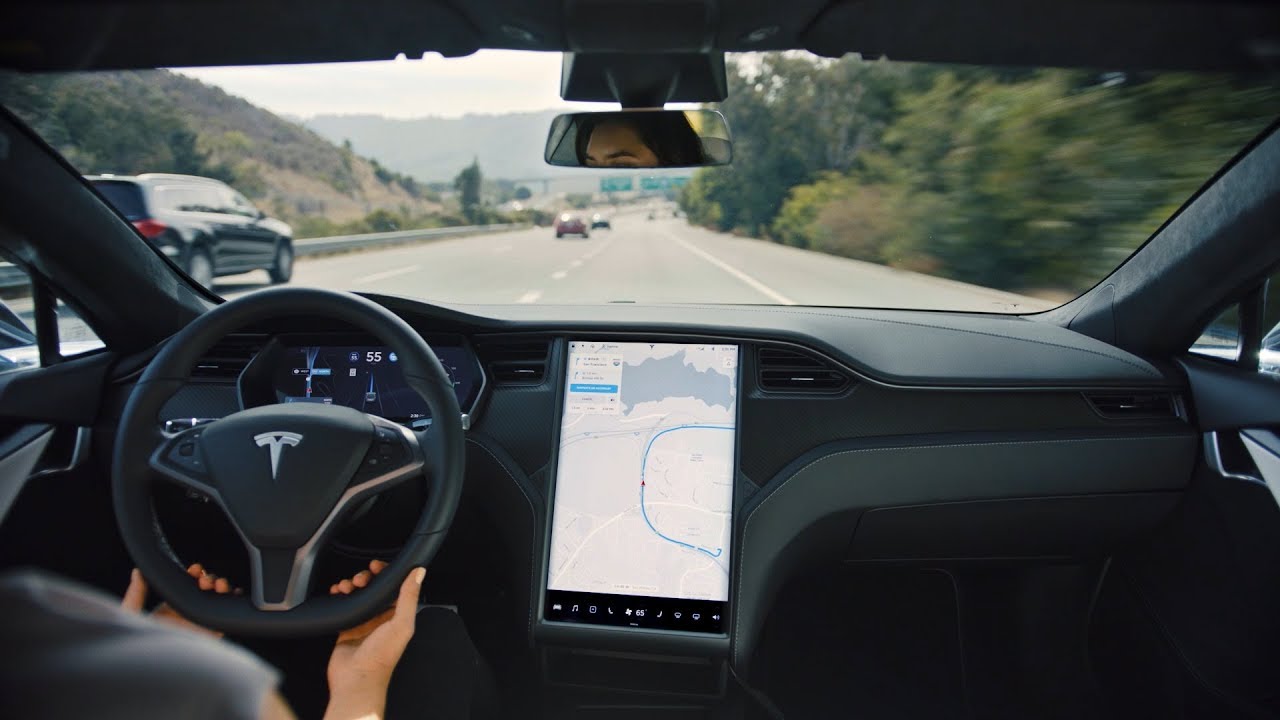
NEWSCENTRAL reports that Tesla is once again at the center of a legal scandal that could significantly impact its operations in California, one of the company’s key markets. The California Department of Motor Vehicles (DMV) has stated that Tesla’s use of the term “Autopilot” in advertising its cars misleads consumers, as the system referred to by the company is not fully autonomous and requires constant driver supervision. In response to the threat of a sales ban, Tesla continues to assert that it is not violating any laws, but the legal consequences could be severe for the company’s reputation and financial performance.
The main accusation is that the term “Autopilot” could create false expectations among consumers regarding the system’s capabilities. While Tesla emphasizes that drivers must remain alert and ready to intervene at any moment, the technology itself does not match the name, which implies a higher level of autonomy. As Jessica Kline, an auto analyst at NEWSCENTRAL, points out, such disagreements over terminology raise an important issue about the accuracy of advertising and the responsibility of manufacturers in presenting their technologies. Transparency in this matter is crucial, especially when dealing with complex and potentially dangerous systems such as autonomous driving.
Moreover, this conflict highlights broader issues related to the regulation of autonomous technologies in the automotive industry. At NEWSCENTRAL, we believe that incidents like this could become a catalyst for changing advertising approaches and lead to the need for stricter oversight over the terminology used in marketing materials. For all companies working in the autonomous driving field, it is important to ensure full clarity regarding their technologies to avoid legal risks related to misleading or inaccurate advertising claims.
Tesla is now faced with the need to either revise its advertising materials or defend its position in court, which could drag on for an extended period and create legal uncertainty for the business. Advertising issues could undermine consumer and investor trust, weaken the company’s market position, and affect its financial results. We predict that in the future, companies working with autonomous technologies will be forced to adopt stricter standards both in terms of regulation and advertising strategies to prevent similar problems.
This case could serve as an important lesson for other automakers working with similar technologies. At NEWS CENTRAL, we believe the industry will have to confront the need for developing and adhering to new regulatory standards to ensure the safe and honest representation of vehicles with autonomous systems. In the future, this will certainly impact marketing and promotional standards for such technologies, enhancing transparency and safety on the roads.