
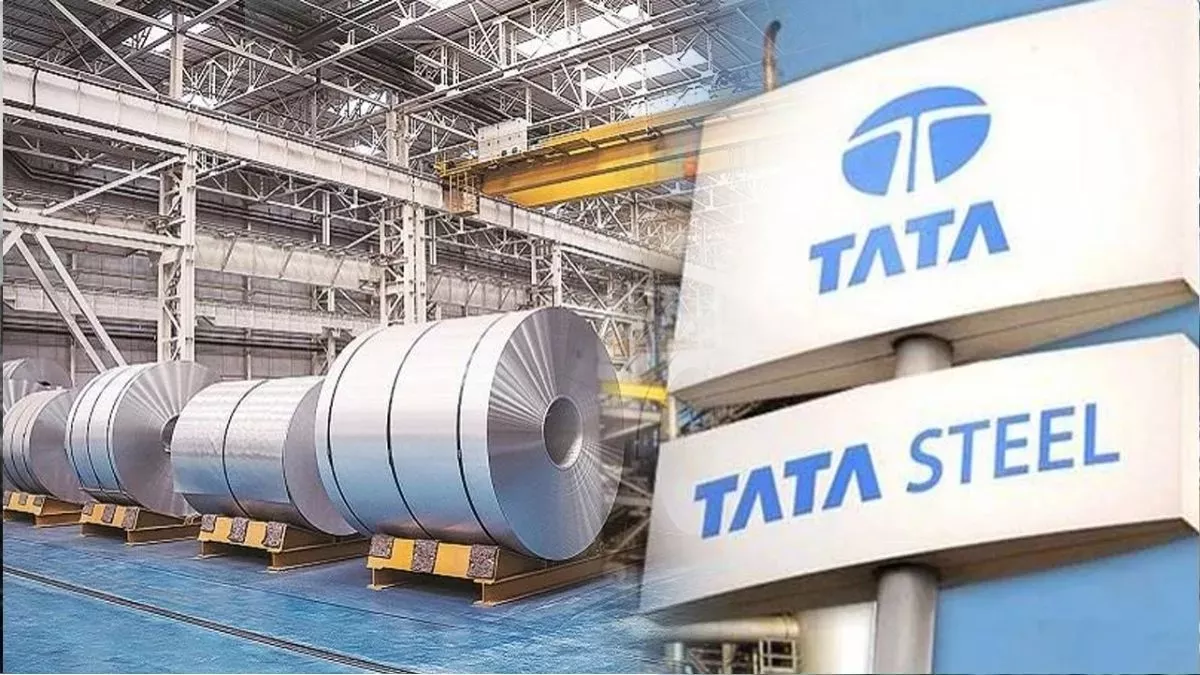
NEWSCENTRAL reports that Tata Steel, one of the largest steel producers in Europe, is under pressure due to environmental violations that have led to a mass lawsuit amounting to €1.4 billion. Residents of the town of Ijmuiden in the Netherlands, located near the company’s plant, accuse the company of violating environmental standards, polluting the air and water, and deteriorating their quality of life. The lawsuit, filed by the Frisse Wind foundation, involves over 330,000 local residents seeking compensation for damage caused by emissions of pollutants such as chromium, nickel, and hydrogen fluoride.
Local residents claim that environmental pollution has resulted in worsened health, increased disease rates, and declining property values in the area. According to expert estimates, property values in Ijmuiden have dropped by 10-15% compared to neighboring areas, indicating significant economic damage to the local community. Such accusations of environmental pollution present a serious threat to Tata Steel, which in recent years has faced growing pressure from environmental activists and regulators.
The situation with Tata Steel is not limited to legal claims. Environmental authorities in the Netherlands have already imposed a €2.4 million fine on the company for exceeding emissions limits. Tata Steel asserts that it is taking steps to reduce pollutant emissions and improve the region’s ecology. However, many experts, including environmentalists and economists, note that current efforts are insufficient for addressing the problem comprehensively.
NEWSCENTRAL believes that the Tata Steel case highlights the growing risks for large industrial companies that fail to adapt to environmental sustainability requirements. In recent years, environmental considerations have become a key factor for investors and consumers, and ignoring these can lead to legal and financial losses. Against the backdrop of increasing lawsuits and environmental sanctions, companies that neglect environmental protection norms risk facing serious consequences, both for their reputation and financial stability.
The economic impact of pollution should be particularly noted. Tata Steel is a major employer in Ijmuiden, and the closure of the plant or a reduction in its production capacity could severely affect the local economy. However, specialists emphasize that this economic risk should not distract from the more important issue of the health and well-being of local residents. Experts predict that similar cases will lead to an increase in lawsuits filed against large industrial companies, especially in countries with high environmental safety standards.
Freddy Miller, Senior Analyst at NEWSCENTRAL, notes: “In the context of stringent environmental policies and increasing attention from regulators, industrial companies must consider the risks associated with violating environmental standards. Companies that cannot guarantee compliance with regulations face a rise in lawsuits and reputational damage.”
NEWSCENTRAL sees this situation as an important lesson for other large companies. Environmental risks are becoming an integral part of corporate strategy. With the growing demands of the public and regulators, it is vital for companies to actively invest in sustainable technologies and consider environmental factors in their long-term plans.
In the future, we predict that such cases will become increasingly common, leading to stricter environmental safety controls. We see this as an opportunity for companies that actively work to improve environmental standards to strengthen their market position and avoid negative financial and reputational consequences. On the other hand, companies that ignore environmental responsibility may face serious legal risks and deteriorating market positions.
NEWSCENTRAL believes that the Tata Steel case highlights the need to reassess approaches to ecology and social responsibility. Ignoring these aspects could lead to increasing legal, financial, and social risks for businesses. Environmental sustainability is becoming a key factor for the stability and future of large manufacturing companies.