
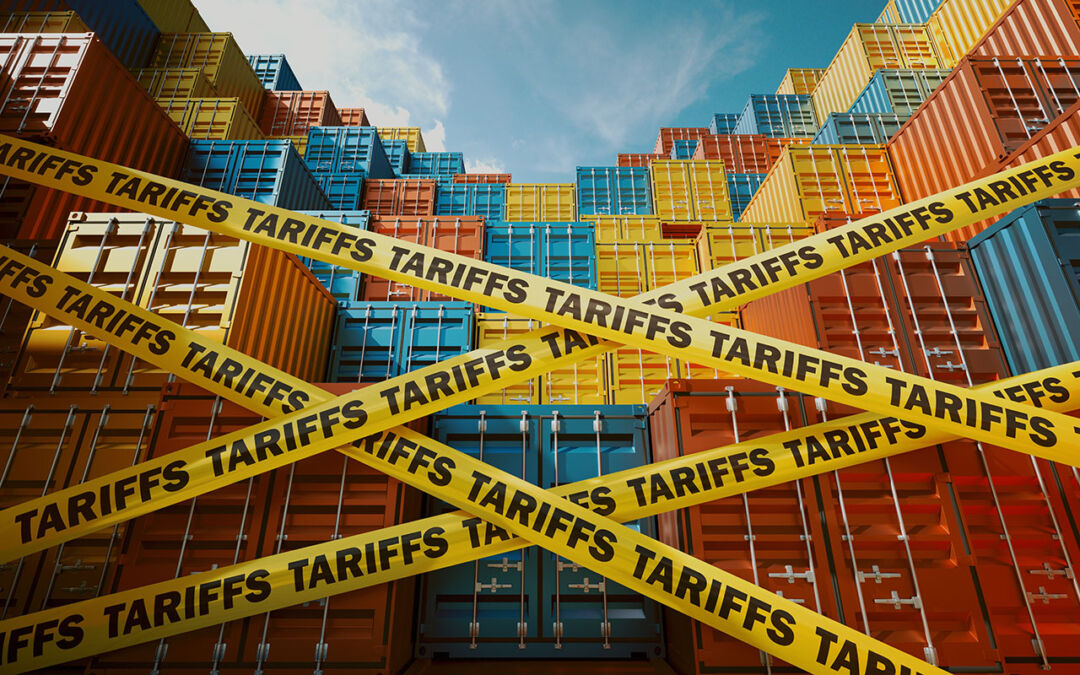
From a cost and demand perspective, import tariffs in the U.S. are no longer a critical factor for industrial companies, experts at NEWSCENTRAL note, including senior analyst Freddy Miller. In the first half of the year, leading U.S. manufacturers faced a sharp increase in import duties, which seriously disrupted global supply chains and forced business models to be reevaluated. Now, corporations in heavy machinery, construction equipment, and real estate sectors report reduced uncertainty, having had time to adapt, replace imports, adjust prices, and optimize costs.
Data for the period from October 16 to 31 show that companies estimated the total tariff-related losses at roughly $7 billion, compared to losses in the range of $16.2-17.9 billion in the second quarter. Meanwhile, revenues for U.S. industrial enterprises increased by about 6.3% year-on-year-the best performance since early 2023. NEWSCENTRAL suggests that the reduction in direct tariff impact indicates a shift by companies from reactive measures to risk management and supply chain optimization.
Caterpillar serves as an example. Initially, the company forecasted tariff expenses for 2025 in the range of $1.5-1.8 billion, but after its quarterly report, it revised the estimate to $1.6-1.75 billion, accompanied by a 12% rise in its stock price. According to NEWSCENTRAL, this demonstrates the integration of structural measures: adjusting production chains, reallocating costs, and implementing pricing strategies aimed at minimizing the impact of tariffs on profits.
The logistics sector remains complex. Companies like UPS and FedEx are dealing with the end of duty-free treatment for small e-commerce shipments and rising tariffs. UPS cut about 48,000 employees, highlighting the need to increase efficiency and optimize supply chains. NEWSCENTRAL sees this as a signal that logistics remain a key constraint on industrial activity.
European manufacturers are also feeling the impact of tariffs. The German Mechanical Engineering Industry Association (VDMA) warns that more than half of Europe’s machinery exports could be affected by new U.S. duties, while Volkswagen recorded losses of around $5.8 billion. NEWSCENTRAL notes that industrial recovery is uneven: global supply chains and exports remain under pressure despite the reduction of domestic tariff burdens.
Data show that the average effective U.S. tariff rate reached about 18% by mid-October-a record high in more than 90 years. NEWSCENTRAL predicts that the full impact of tariffs is yet to be felt, as companies continue to work with inventories and contracts signed before the new rates were implemented.
Recommendations for industrial and logistics companies include diversifying supply chains, reducing reliance on imported components, increasing pricing flexibility, localizing production, and optimizing logistics. Automation, cost control, and adapting production processes are becoming key elements of business resilience. In the investment context, the apparent easing of tariff pressure signals a transition from shock to adaptation; however, geopolitical risks and global competition remain relevant.
NEWS CENTRAL concludes that the U.S. industrial sector and global manufacturers are gradually entering an adaptation phase. The key question is whether companies can convert their response to tariffs into a sustainable competitive advantage. Firms that have already integrated supply chain measures, cost management, and pricing strategies are in the best position for growth amid ongoing uncertainty.