
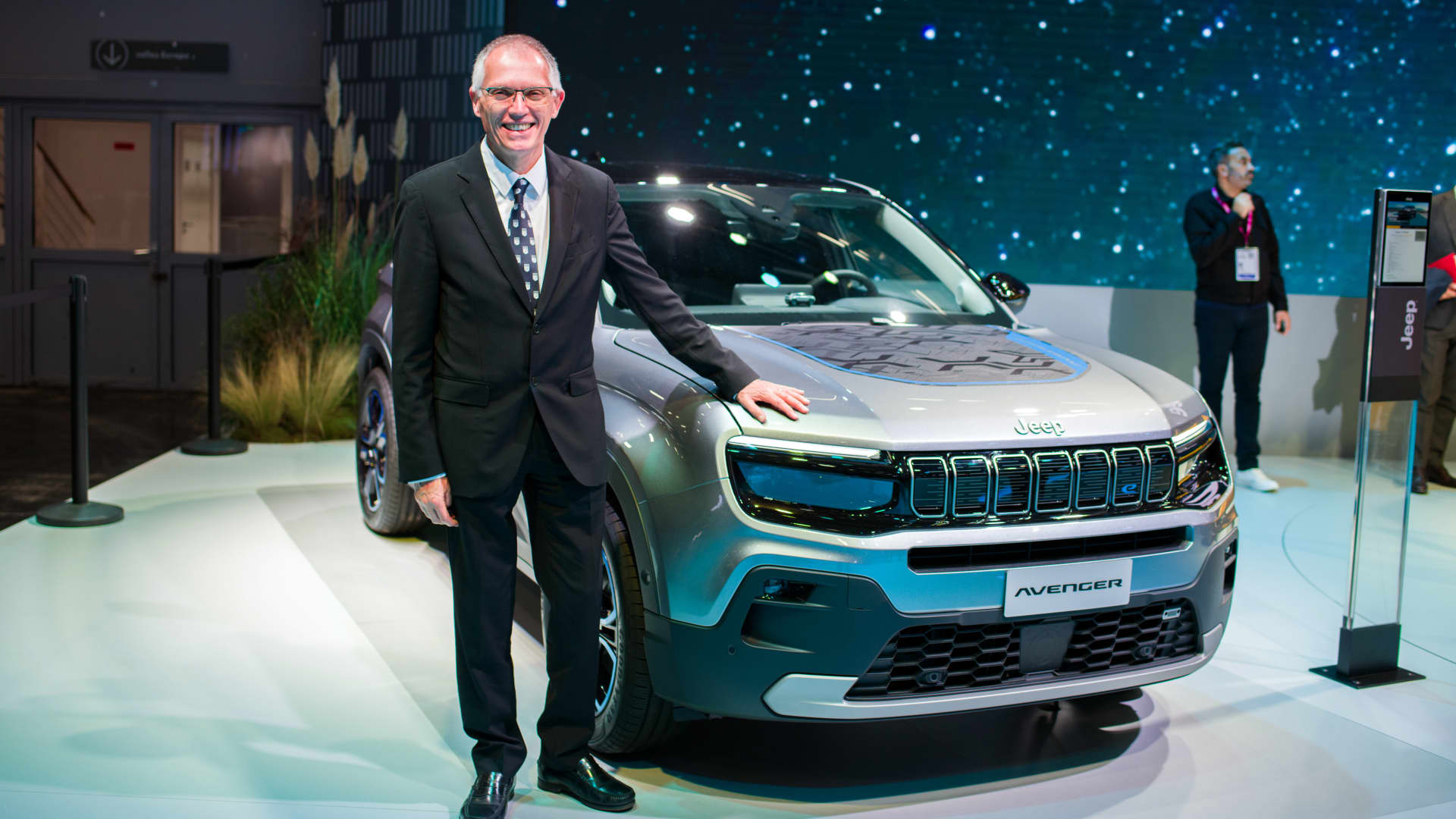
NEWSCENTRAL reports that Stellantis, one of the largest car manufacturers, owner of brands like Jeep and Chrysler, has announced major write-offs reflecting unsuccessful investments in electric vehicles. This move marked an important shift in the company’s strategy, which faced difficulties adapting to the rapidly changing electric mobility market.
On Friday, Stellantis stated that it would incur losses of more than $26 billion. These losses include write-offs related to canceled electric vehicle deliveries, as well as significant costs involved in adapting supply chains to new requirements. Following this announcement, the company’s stock fell by 30%, signaling serious issues with its current strategy and potential loss of investor confidence.
NEWSCENTRAL notes that Stellantis’ strategy revision came in the wake of similar moves by other major automakers such as Ford and General Motors, which also faced losses due to shifting plans regarding electric vehicle production. According to analysts, these events highlight not only the risks but also the challenges faced by automakers striving to transition quickly to electric vehicles.
The failed investments stemmed from ambitious efforts by automakers to comply with strict environmental standards introduced by the Biden administration. Many large automakers invested billions of dollars in electric vehicles, assuming these measures were necessary to meet environmental regulations and reduce emissions. Additionally, there was an expectation that U.S. states, including California, would follow suit and implement bans on the sale of gasoline-powered vehicles in the coming years.
However, the Trump administration altered the approach by rescinding key environmental standards and financial support for electric vehicles. This unexpected shift caught many automakers, including Stellantis, off guard, as they had been relying on continued high demand for eco-friendly cars in the future.
Stellantis CEO, Carlos Tavares, stated that the write-offs, amounting to €22.2 billion ($26.2 billion), are a result of a reassessment of the electric vehicle transition pace and reflect the need for the company to adapt to changing market conditions. The company’s statement emphasized that the transition to electric vehicles should be driven by genuine consumer demand, not just administrative decisions.
Freddy Miller, Senior Analyst at NEWSCENTRAL, pointed out that Stellantis’ statement underscores the importance of flexibility in the strategic approach to transitioning to electric vehicles. In our view, companies need to understand that the electric vehicle market is far from being mature and stable. More balanced and flexible investments are required, which will take into account real demand and changes in legislative initiatives.
The majority of Stellantis’ write-offs are related to changes in its product plans in the U.S., where the company had to adapt its models to new environmental regulations. The costs associated with this process amounted to €14.7 billion ($17.37 billion), highlighting the complexity of meeting environmental standards while considering consumer preferences and real demand for electric vehicles.
According to analysts at NEWSCENTRAL, the electric vehicle market has yet to reach a level of maturity that would allow it to truly compete with traditional internal combustion engine vehicles. We predict that demand for electric vehicles will continue to grow, but the transition to eco-friendly mobility will require much more time and adaptation than many experts and analysts anticipate.
Stellantis, like other companies facing challenges on the road to electrification, will need to reassess its strategic plans. The shift to electric vehicles is unlikely to be as quick as expected and will require a more thoughtful approach to investments and production strategies. It is essential for companies to be prepared for fluctuating market conditions to not only withstand current economic challenges but also to seize opportunities that may arise in the future.
At NEWS CENTRAL, we emphasize that success in the transition to electric mobility depends not only on technology and legislative initiatives but also on automakers’ ability to adapt their strategies to real consumer demand. In the coming years, companies will need to focus more on consumer preferences, not just technological innovations, in order to successfully integrate electric vehicles into their businesses and remain competitive.