
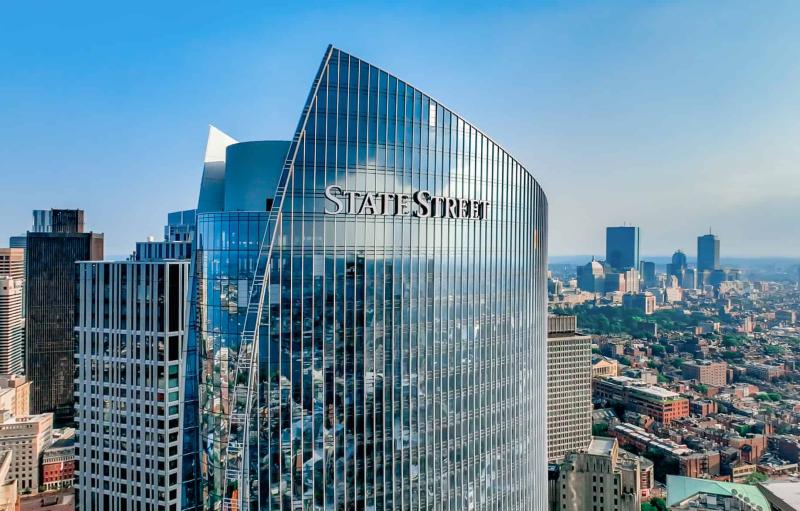
State Street, one of the largest players in asset management with a portfolio worth over $5.4 trillion, recently announced the withdrawal of its U.S. division from the Net Zero Asset Managers (NZAM) initiative. This coalition unites leading investors aiming to achieve net-zero carbon emissions by mid-century. However, State Street’s decision reflects a broader trend in the financial sector, driven not only by political changes but also by a redistribution of roles in global climate initiatives.
The softening of commitments set for NZAM members is also significant. At NEWSCENTRAL, we observe that this decision comes in response to increasing pressure from politicians, particularly in the U.S., where sustainable investments face growing criticism. Political risks and legal pressure on the largest asset management companies are forcing them to reconsider their positions in climate coalitions, despite their formal commitments.
On the surface, the decision to exit the initiative may seem like a step backward in the fight against climate risks. However, there is much more to it than just another shift in course. We at NEWSCENTRAL believe that the softening of requirements by NZAM could significantly alter the landscape of sustainable investment. Participation in initiatives like NZAM undoubtedly impacts financial companies, especially in the context of escalating lawsuits related to antitrust and collective behavior among the biggest players.
As Freddy Miller, a Senior Analyst at NEWSCENTRAL, points out, “Judicial pressure and rising political tensions are forcing companies to reconsider their commitments, and this will undoubtedly affect how they approach environmental risks in the future.” These changes in approach open a new era in sustainable investing, where companies must balance long-term environmental goals with short-term political and legal challenges.
The softening of political and environmental obligations within NZAM reflects the desire of major financial institutions to adapt to changing conditions. It is expected that, amid these changes, other major players such as BlackRock and Vanguard will also begin to reassess their relationships with climate initiatives. This is likely to lead to further revisions in approaches to corporate social responsibility and sustainable development.
However, it is important to note that the softening of requirements does not imply a complete abandonment of climate responsibility. State Street will continue to support its clients focused on net-zero emissions in Europe and the UK, confirming the importance of climate commitments for companies aiming for long-term financial sustainability. At NEWSCENTRAL, we predict that this decision will be just the beginning of broader changes in the policies of global investors, as companies will be forced to adapt to political instability while continuing to uphold environmental and social standards.
At the same time, such changes create uncertainty for investors, who will now need to consider not only environmental and climate risks but also more complex political, legal, and reputational factors. At NEWSCENTRAL, we forecast that, in the future, companies will seek more flexible and adaptive strategies that allow them to minimize climate-related risks while maintaining their reputation in financial markets.
Looking ahead at the future actions of major investment firms, it is expected that many will maintain a strategic commitment to sustainable development, but with more caution in fulfilling strict environmental commitments. Climate responsibility will remain an important part of long-term strategies, but companies will need to reassess their obligations depending on the political and legal situation they face in key markets.
For investors, this means the need to reassess risks related to the climate agenda, as well as to analyze the potential consequences of political decisions affecting the market strategies of major funds. It is important to remember that environmental and climate risks continue to have a significant impact on long-term asset value, despite changing requirements and approaches.
In conclusion, at NEWS CENTRAL, we believe that changes in the climate policies of major financial players signal the need for flexibility and adaptation to changing conditions. Sustainable investment will continue to evolve, but its growth will face new challenges related to political and legal risks. Investors must be prepared for these changes in order to maintain profitability and minimize potential losses associated with shifting regulations and political instability.