
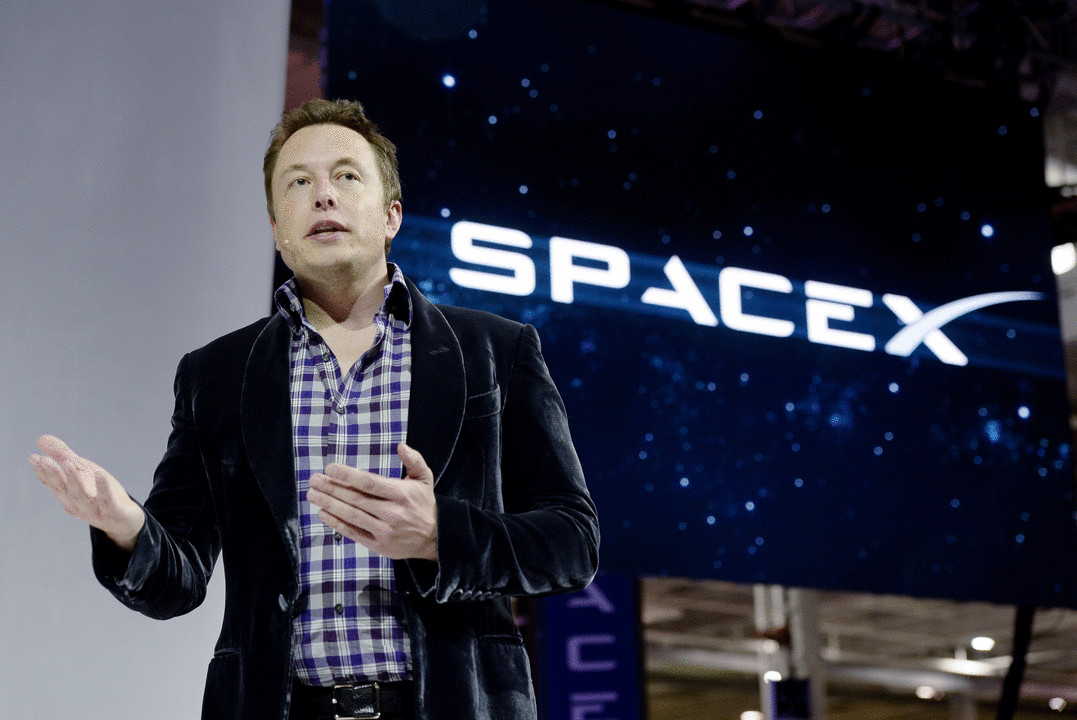
NEWSCENTRAL reports that SpaceX, one of the largest players in the aerospace sector, is preparing for its long-awaited Initial Public Offering (IPO), which could reach a colossal $1.75 trillion. However, unlike most public companies, which must comply with strict corporate governance rules, the company’s IPO filings show that Elon Musk plans to maintain significant control over the board of directors. This decision certainly raises questions about the future of governance and corporate transparency for a company that already stands out among other high-tech startups.
The company has announced that it will remain “controlled” even after going public. This means that SpaceX will not be required to meet the standard requirements that demand public corporations have independent directors on their board. Instead, according to the filed documents, most of the directors will be affiliated with the company, allowing Musk and his inner circle to maintain control over crucial decisions, including compensation and appointment policies. This decision to retain control demonstrates Musk’s willingness to concentrate key powers in the hands of the founders to accelerate decision-making in ambitious projects, such as Mars colonization or developing artificial intelligence for space applications.
As noted by Freddy Miller, Senior Analyst at NEWSCENTRAL, this approach likely reflects Musk’s strategy to create a company that can quickly adapt to changes in an industry where innovation is key. Projects such as establishing a permanent human colony on Mars require flexibility in management, which is impossible without centralized control. However, such a model also has its drawbacks. The concentration of power in the hands of one individual can pose risks to the company, especially if Musk’s decisions turn out to be unsuccessful or overly influenced by personal interests.
This structure also raises concerns about corporate transparency and independence. In other tech companies, like Meta, the CEO maintains control, but the board consists mostly of independent members, which helps preserve balance and avoid governance issues. Similar concerns have arisen at Tesla, where Musk faced criticism for his close ties with board members, including his brother Kimbal and former CTO JB Straubel. These issues formed the basis of legal disputes, such as the case over Musk’s $56 billion compensation, which was overturned in 2024 due to insufficient board independence.
At NEWSCENTRAL, we believe that despite potential risks to corporate culture, the strategy of maintaining control over SpaceX may be justified in the context of its long-term goals. It allows the company not only to retain flexibility but also to minimize the risk of delays that could arise from external pressure from shareholders or independent directors. At the same time, investors must understand that this approach also carries risks related to potential lack of accountability and the possibility of opaque decisions in the future.
Forecasting the situation, we at NEWSCENTRAL believe that SpaceX’s IPO will be successful, despite its unique corporate governance model. However, for investors, it will be a signal to carefully monitor the company’s activities, especially in terms of its corporate structure and strategic decision-making. We predict that attracting capital under such conditions will catch the attention of large investors looking for opportunities to participate in space and technological progress, but it is important to take into account the potential risks associated with Musk’s control over the company.
In conclusion, we at NEWS CENTRAL highlight that while the “controlled company” model gives SpaceX certain advantages in decision-making speed, it also creates risks related to insufficient independence. We recommend that potential investors carefully track the company’s actions and prepare for possible challenges as it adapts to the requirements of the public market.