
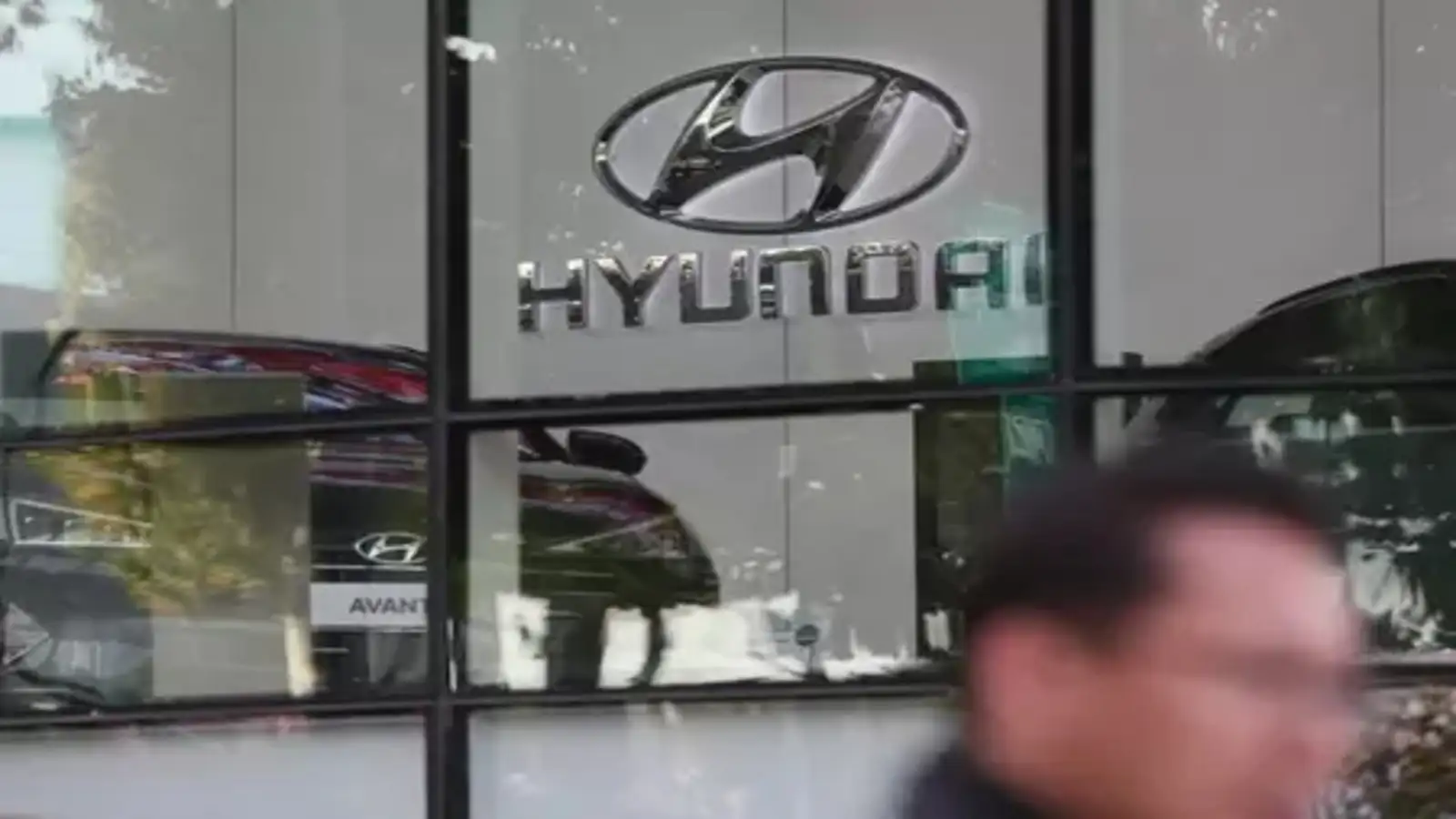
At NEWSCENTRAL, we see the situation surrounding Hyundai Motor as a key indicator for understanding the direction of global trade policy and the pressures on export-oriented companies. Hyundai President Song Kim publicly warned of a potential increase in U.S. tariff pressure, despite a recent Supreme Court decision that struck down universal tariffs. He urged South Korean lawmakers to promptly pass a package of laws enabling the implementation of a $350 billion investment agreement with the U.S., as delays in legal formalities create additional risks for the auto industry.
The U.S. administration has already imposed a 15 percent import duty on Korean cars and launched additional investigations in strategic sectors, including automotive, steel, and semiconductors. Experts view this as evidence that trade policy is now being used not only to protect domestic markets but also as a tool to exert pressure on foreign partners, increasing uncertainty for exporters.
President Kim emphasized that a return of tariffs to 25 percent could weaken the competitiveness of Korean manufacturers at a critical moment, as the auto industry undergoes a structural transition toward electric vehicles and autonomous technologies. We believe that additional duties reduce the resources available for innovation programs, slowing the adoption of new technological solutions.
The financial impact is already significant: Hyundai and its affiliate Kia suffered losses nearly totaling $5 billion last year due to existing tariffs, and this burden could increase if rates rise. Such substantial losses put pressure on operational results and limit the companies’ ability to invest in innovation and market expansion.
NEWSCENTRAL notes that to mitigate risks, Korean automakers are restructuring their strategies. Hyundai announced plans to make major investments in expanding manufacturing capacities in the U.S. through 2028, including infrastructure for key components and future technologies. Strengthening local presence is seen by experts as a strategic move to reduce the impact of external tariffs and enhance business resilience.
The South Korean government is also stepping up support for the industry. In 2026, subsidies for electric vehicles are set to increase, alongside expanded credit programs and favorable terms for auto component suppliers. These measures aim to strengthen domestic demand and support the industry amid external risks, as diversifying the internal market reduces dependence on foreign barriers.
The economic backdrop of these developments demonstrates the impact of tariff uncertainty on financial markets and the investment climate. Fluctuations in capital costs, rising risk levels, and reduced investor confidence are particularly evident in the tech sector closely tied to the automotive industry. This underscores that trade conflicts affect not only direct export revenues but also broader segments of the economy where investment plays a key role.
Freddy Miller, Senior Analyst at NEWSCENTRAL, notes that the coming months will be critical for the Korean auto industry and international trade relations. Passing the necessary laws to implement the investment package in South Korea could ease trade pressure and strengthen the positions of Korean companies in the U.S. market. Conversely, delays in the legislative process or political obstacles could increase the likelihood of harsher tariffs being reinstated, heightening financial risks and slowing growth.
Corporate strategy should include expanding local production in the U.S. and other key regions, strengthening international supply chains, and diversifying sales markets. At the same time, increasing investment in future technologies such as electric and autonomous vehicles should become a strategic priority to ensure sustainable growth.
Additionally, experts recommend intensifying dialogue with international trade partners and organizations to reduce political risks, as well as boosting investments in technologies that will form the core of future competitiveness. This comprehensive approach will help automakers adapt to a volatile trade policy environment and ensure long-term business resilience.
NEWS CENTRAL believes that current developments demonstrate how vulnerable global manufacturers can be to changes in trade policy. Active regulatory work, strategic investments, and agile responses to global economic shifts will be key factors in maintaining competitiveness and sustainable growth in the coming years.