
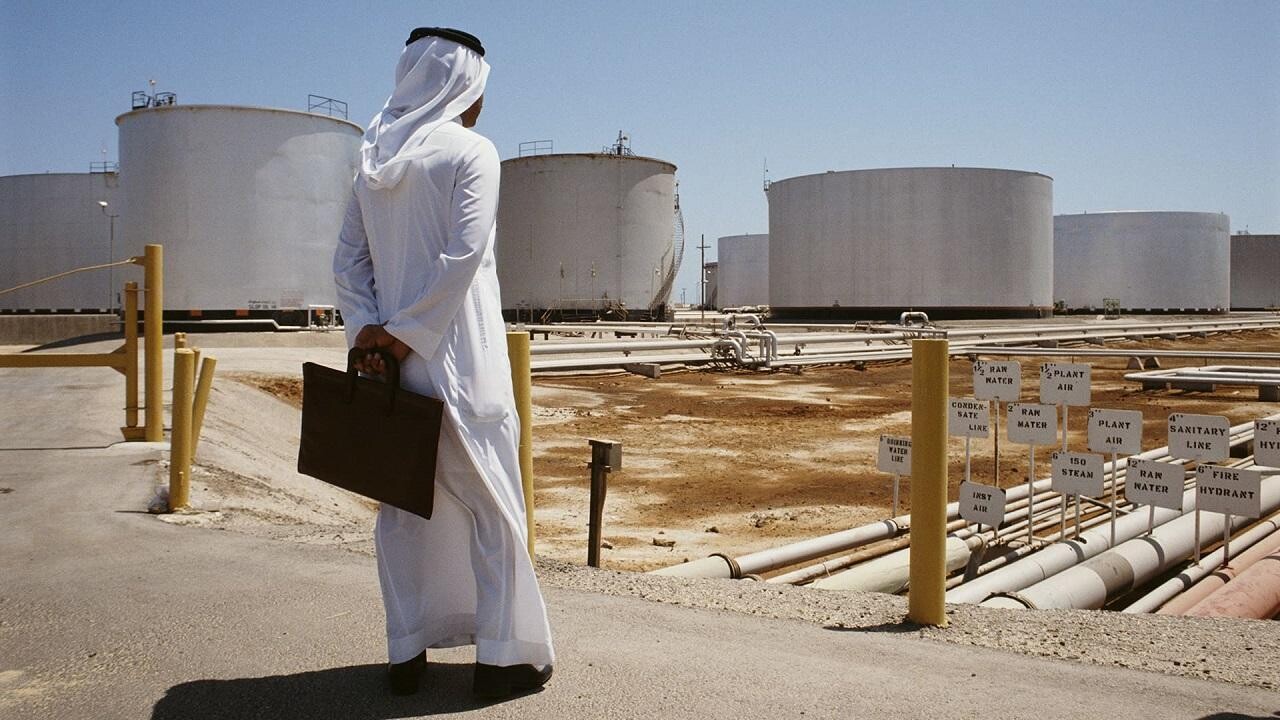
Saudi Arabia, the world’s largest oil exporter, may reduce its oil prices for Asian buyers in December 2025 to a multi-month low. The expected decrease of $1.20-$1.50 per barrel for the flagship Arab Light grade and other grades such as Arab Extra Light and Arab Heavy reflects the need for price adjustments amid changing market conditions and global factors impacting oil supply. Despite the anticipated price cut, Saudi Arabia will act cautiously to preserve its market share and avoid sharp fluctuations in global markets.
Freddy Miller, Senior Analyst at NEWSCENTRAL, notes that the main factor driving the price decline is the increase in oil supply due to a rise in production under the OPEC+ agreement. In recent weeks, the Dubai premium on swaps has fallen by $1.73 per barrel, confirming the increase in supply in the global market. An expected increase in production by 137,000 barrels per day, scheduled for the November OPEC+ meeting, will be aimed at meeting global demand. However, according to Miller, despite the rise in supply, Saudi Arabia may take a more cautious approach to pricing in order to maintain market balance.
In light of these changes, it is also important to consider the global political situation. Sanctions on Russia continue to put pressure on the global oil market, especially regarding Russian oil supplies to Europe. This has created a shortage in key markets, leading to increased demand for Saudi oil, particularly in Asian countries like China and India. The demand for alternative oil supplies from Saudi Arabia will support prices, which is likely to limit the extent of the price decline, despite the rise in supply.
At NEWSCENTRAL, we observe that, despite the increase in supply, the demand for Saudi oil in Asia will remain high. This is especially true for China and India, where industrial production is recovering and oil refining is increasing. The completion of maintenance at oil refineries is also generating additional demand for oil, which in turn supports price levels and limits price drops.
Considering these factors, NEWSCENTRAL forecasts that Saudi oil prices will see only a moderate decline in December. The increase in supply, the rise in production under OPEC+, and sustained high demand from Asia will create conditions to maintain prices at a level that will not lead to a sharp drop. However, over the coming months, the market will remain subject to fluctuations, and changes in OPEC+ policy or the global economic situation may impact price dynamics.
In conclusion, Saudi oil prices are likely to remain stable despite the expected decrease in December. At NEWS CENTRAL, we believe that future OPEC+ policies and market reactions to ongoing changes in demand and supply will play a decisive role in shaping oil prices in 2026.