
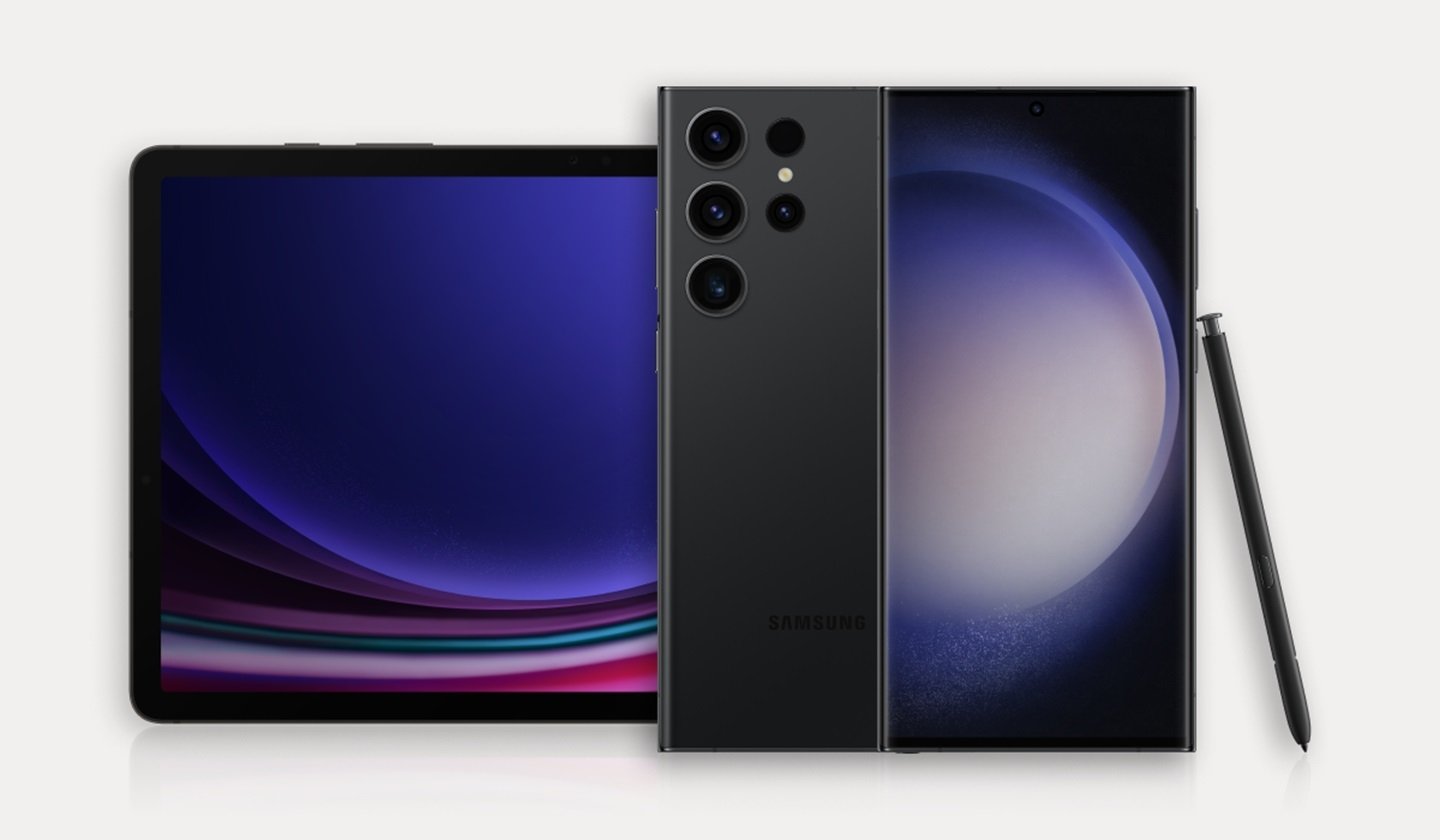
The global technology industry is experiencing a new growth cycle, and Samsung Electronics is once again in the spotlight. According to NEWSCENTRAL, the third quarter of 2025 could become the company’s most profitable in the last three years, driven by a sharp rise in memory chip prices fueled by global demand for AI infrastructure.
Samsung’s operating profit is expected to reach 10.1 trillion won (approximately $7.1 billion), 10% higher than the previous year. This reflects a recovery in demand for DRAM – chips used in servers and data centers – amid large-scale investments in artificial intelligence. Prices for these chips have risen more than 170% compared to last year.
As NEWSCENTRAL storage systems analyst Nathan Clark notes, “DRAM has become the foundation of a new wave of data centers. The growth in demand is directly linked to companies worldwide expanding computing power for AI services like ChatGPT.”
The HBM memory segment, on the other hand, is developing more slowly. Samsung is still preparing for mass shipments of HBM3E, while competitors SK Hynix and Micron have already sold out their volumes for 2026. However, as Senior Analyst Freddy Miller believes, “Samsung is betting not on speed, but on reliability. When HBM3E enters full production, the company will be able to quickly expand its market share.”
At the same time, Samsung is strengthening its position in the artificial intelligence ecosystem. Partnerships with OpenAI and SK Hynix under the Stargate project open new prospects for advanced memory supply, while a $16.5 billion contract with Tesla revives the company’s Foundry division, laying the groundwork for new orders in automotive and AI chips.
NEWSCENTRAL views these deals as a strategic transformation of the company: the focus is shifting from the traditional consumer business to infrastructure solutions that underpin artificial intelligence. This is not merely a commercial success, but evidence that Samsung is becoming an architectural center of the new technology ecosystem.
However, risks remain. Potential U.S. tariffs, China’s export restrictions on rare-earth metals, and political instability could affect supply chains. According to NEWSCENTRAL, such factors could slow profit growth in 2026 if the company does not accelerate production localization and supplier diversification.
The market, however, is reacting confidently: Samsung’s shares have risen more than 43% since July. This reflects investor confidence in the company’s strategy and its role in the AI revolution. NEWSCENTRAL believes the growth potential remains: in the coming quarters, key drivers will be scaling HBM3E deliveries and strengthening positions in the data center sector.
Samsung is no longer just a memory chip manufacturer but one of the key players shaping the direction of the entire artificial intelligence industry. And, as NEWS CENTRAL analysts emphasize, it is companies like these that are forming the technological foundation of the future economy.