
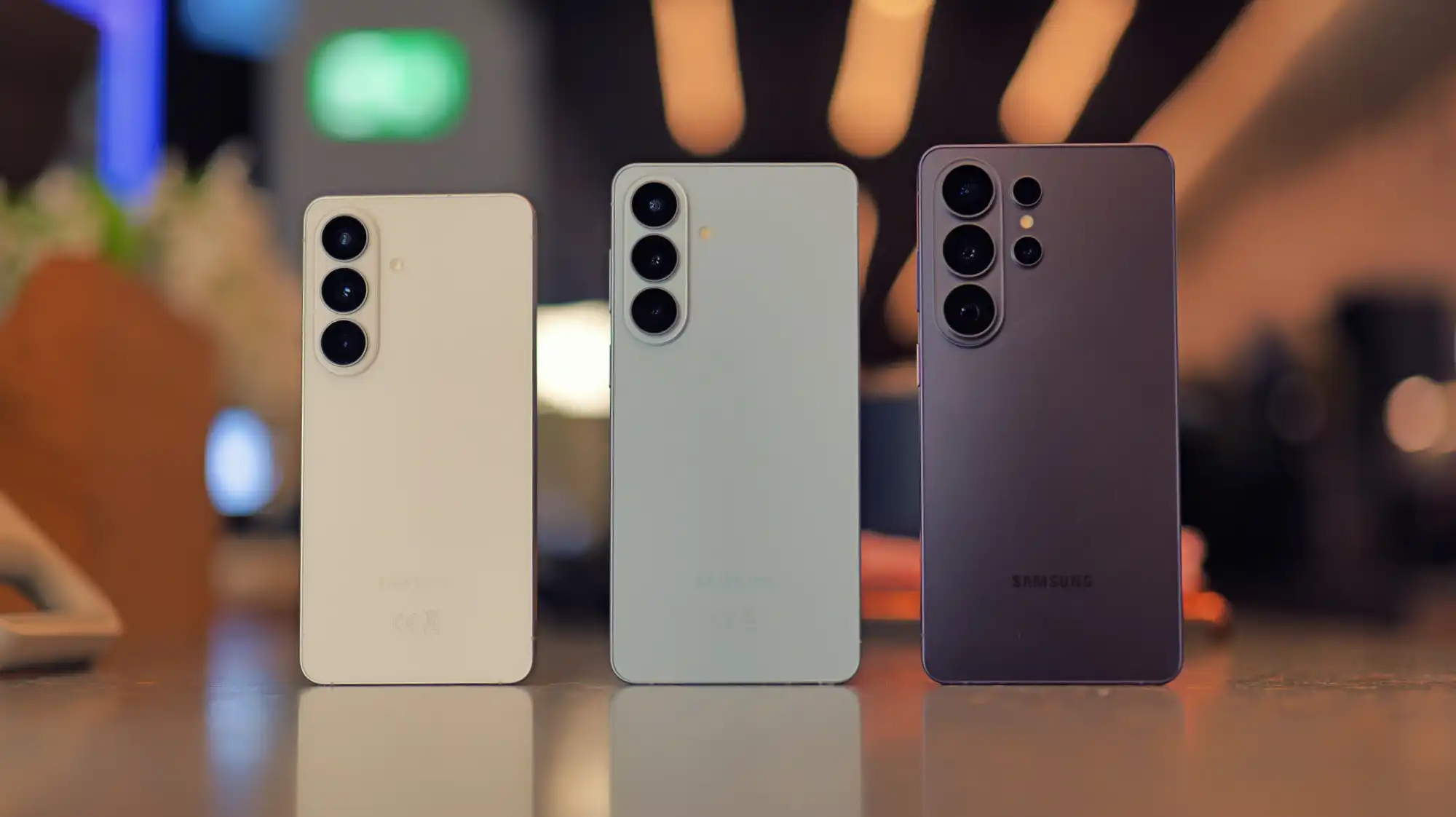
NEWSCENTRAL reports that Samsung Electronics has unveiled its new flagship devices in the Galaxy S26 series. However, along with impressive technical specifications, users will face higher prices. The base model of the Galaxy S26 has increased by 4.7% in the U.S., while the S26 Plus version has seen a 10% price hike. In South Korea, the price of the base model rose by 8.6%. This price increase is a consequence of the ongoing shortage of key components, such as memory chips.
In recent months, there has been a sharp rise in memory prices, driven by growing demand for chips used in data centers. This demand has surged due to the expansion of artificial intelligence technologies. Major companies like Google, Meta, and Microsoft have been purchasing chips for their computing capabilities, which has created a shortage of components in the mobile device market. In such circumstances, manufacturers like Samsung are forced to raise prices to offset their increased costs.
Freddy Miller, a Senior Analyst at NEWSCENTRAL, emphasizes that this price increase is a necessary measure. Due to the continuing chip shortage, Samsung has to make strategic decisions to optimize its supply chains. However, it is worth noting that raising smartphone prices could reduce demand, especially among consumers who are price-sensitive, which is particularly relevant in developed markets. If the component shortage persists, manufacturers will likely need to find new ways to regulate prices, potentially impacting long-term brand competitiveness.
In response to the component shortage, Samsung has decided to use Exynos processors in the new models, rather than Qualcomm Snapdragon chips as in previous generations. This move aims to reduce dependency on external suppliers and enhance control over the production process. However, it is important to note that Qualcomm processors remain the leaders in terms of performance, and Samsung will face the challenge of convincing consumers that Exynos processors are on par with them in functionality and efficiency.
Another key innovation is the privacy protection technology in the Galaxy S26 Ultra, which limits the screen’s viewing angles to prevent unauthorized viewing of information displayed on the screen. With growing concerns over data leaks and privacy breaches, such features may play a crucial role in strengthening consumer trust in the brand. At NEWSCENTRAL, we emphasize that data protection is becoming an increasingly important factor for consumers, and companies that can offer such solutions will gain a competitive edge.
The launch of the Galaxy S26 in March 2026 raises an important question: how will higher prices impact demand? In an environment of economic instability and rising component prices, demand may decrease significantly, especially in developed markets where consumers are more sensitive to price changes. On the other hand, demand for the Galaxy S26 will largely depend on how Samsung justifies the price increase by offering users innovative features and enhanced specifications.
In the face of rising chip prices and component shortages, smartphone manufacturers, including Samsung, will need to find new ways to optimize their production processes and reduce reliance on external suppliers. At NEWSCENTRAL, we predict that companies will invest more in developing their own technologies to decrease dependence on third-party suppliers. We may also see increased investment in creating new chip sources and expanding partnerships with other manufacturers.
In conclusion, the price increase for the Galaxy S26 is a direct result of global issues in the semiconductor market, but it also highlights significant changes within the mobile industry itself. It will be important to monitor how Samsung and other major companies adapt their strategies to maintain their leadership in the market despite economic challenges. At NEWSCENTRAL, we predict that manufacturers who can quickly respond to changes in demand and component prices will remain competitive in the face of current economic uncertainty.
NEWS CENTRAL believes that companies in the mobile technology sector will face serious challenges in optimizing their production processes and improving supply chains to stay competitive in an environment of heightened uncertainty. It will be crucial to track how quickly they can respond to economic challenges and consumer needs to maintain trust and market share.