
Currently, like never before, the U.S. economy is showing signs of increasing inequality, largely driven by rising prices for essential goods. At NEWSCENTRAL, we see these changes as potentially having a significant impact on the financial situation of citizens, especially those who cannot offset rising prices by cutting back on other expenses. This phenomenon amplifies economic division, already visible in the form of a “K-shaped” economy, where the wealthy continue to accumulate assets, while lower-income populations find themselves in even more vulnerable positions.
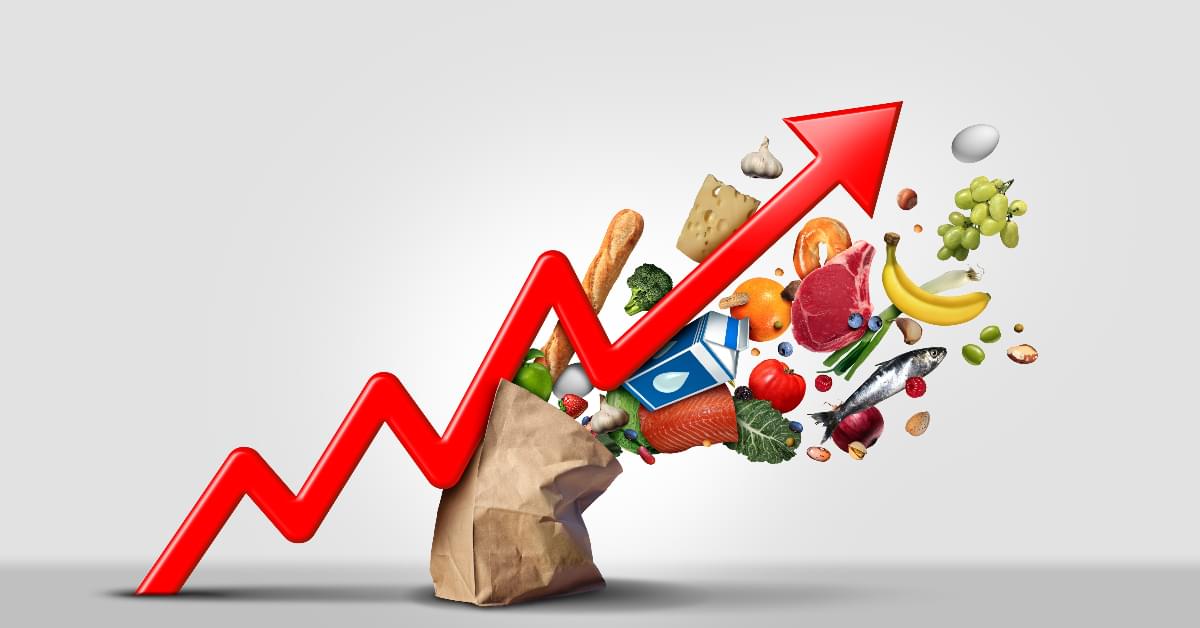
In recent months, the prices of staple goods such as meat, dairy products, and vegetables have begun to rise again. These changes hit particularly hard for low-income households, which are already facing significant financial difficulties. Although overall inflation in the country remains stable, the rise in food prices has the greatest impact on people with limited additional income. According to our experts, food prices increased by 5% in 2023, which is especially burdensome for families with below-average incomes. In such conditions, consumers are forced to cut back on less essential items, negatively affecting consumer demand and the economy as a whole.
As Freddy Miller, Senior Analyst at NEWSCENTRAL, emphasizes, despite the stabilization of overall inflation, the rise in the prices of basic goods continues to strongly impact the poorest sectors of the population. “This phenomenon significantly worsens the financial situation of low-income households and requires more decisive actions from the government,” he noted.
Alongside rising food prices, there has been a substantial increase in utility costs, such as electricity and natural gas, which have risen by 7% over the past 12 months. At NEWSCENTRAL, we view this as another factor that intensifies the financial burden on low-income households. For them, each additional percentage point in utility costs is a significant blow to their budget. If this trend continues, many citizens will be forced to limit their spending on essential services, thereby restricting their access to quality housing and healthcare services.
Additionally, rising medical expenses cannot be overlooked. Over the past five years, healthcare costs have increased by 9%, significantly adding to the financial strain, especially for less affluent groups. At NEWSCENTRAL, we believe these trends create additional pressure on the already unstable financial situation of millions of citizens, leading to increased social tension and a decline in quality of life.
However, it is not only lower-income groups that are suffering from rising prices. In the so-called “K-shaped” economy, the wealthy continue to benefit from increases in real estate prices and the stock market, which further deepens the economic divide. At NEWSCENTRAL, we forecast that in the coming years, this inequality will only grow unless decisive measures are taken to support the middle and lower classes. Economists argue that such an economic split could have serious consequences for the stability of society as a whole.
One possible solution to mitigate the consequences of economic instability is to lower interest rates and implement programs to improve housing accessibility. However, these measures must be implemented comprehensively to prevent them from further deepening the economic divide. At NEWSCENTRAL, we believe the most important step right now is not only to stabilize prices of essential goods but also to create conditions for economic mobility and increased purchasing power for all segments of the population.
At NEWS CENTRAL, we predict that if steps are not taken to control the rise in food prices and utility costs, as well as address healthcare issues, economic inequality will only intensify. It is also important to note that expanding social programs and stimulating domestic consumer demand could play a key role in maintaining economic stability in the future. If the government does not take the necessary measures, the economic situation in the country will continue to worsen, leading to further declines in quality of life and social mobility.