
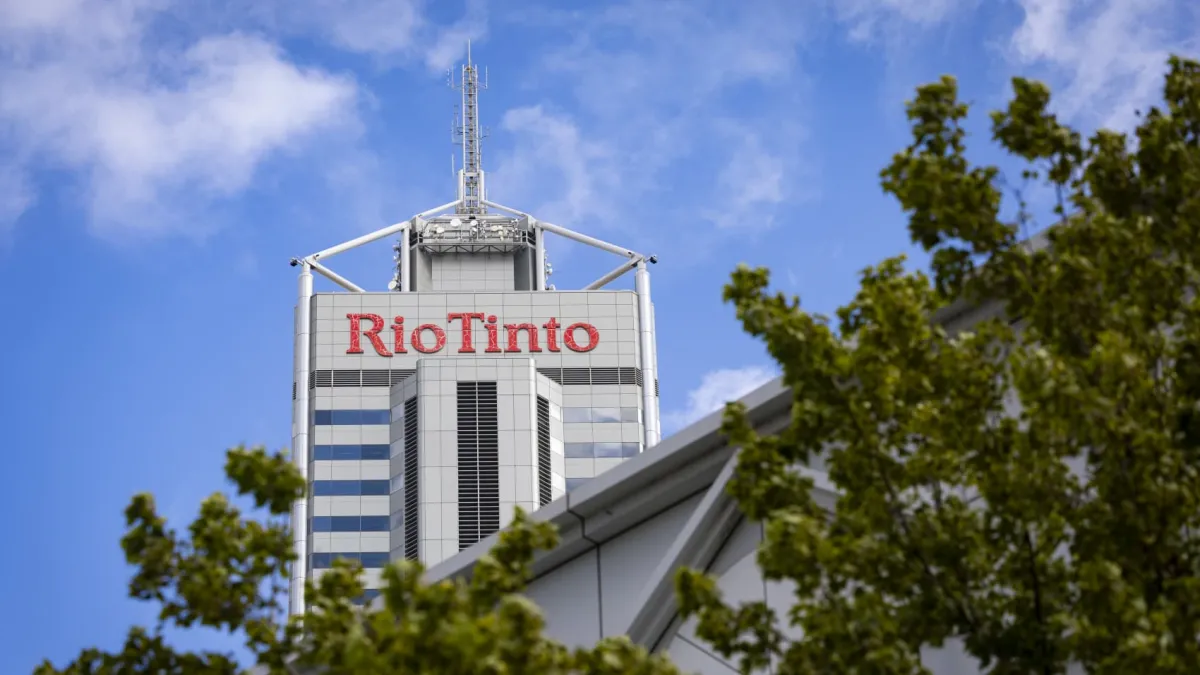
Rio Tinto is in talks to acquire Glencore, increasing pressure on BHP and driving consolidation in the global mining industry, and at NEWSCENTRAL we see this as a strategic turning point for the entire sector. Freddy Miller, Senior Analyst at NEWSCENTRAL, notes that Rio Tinto’s negotiations to acquire Glencore have entered a new stage and could fundamentally reshape the structure of the global mining market. The deal involves a company with assets worldwide and a substantial portfolio of copper, iron ore, aluminum, and nickel, with a potential valuation of $260 billion, making it one of the largest transactions in the history of the industry.
At NEWSCENTRAL, we see Rio Tinto’s motivation as a strategic strengthening of its copper position, driven by growing demand from the energy transition, infrastructure development, and the expansion of data centers for artificial intelligence. The creation of a combined company would allow control over up to ten percent of global copper production in the next decade, providing significant advantages across the critical metals supply chain. Market reaction has already been evident: Glencore shares rose by double digits on expectations of an acquisition premium, while Rio Tinto shares are under pressure due to the scale of the deal and the complexity of integrating assets.
Negotiations are taking place under strict regulatory scrutiny, and at NEWSCENTRAL we anticipate that antitrust authorities in Europe, the UK, and Australia will likely require the sale of certain assets to mitigate the risk of excessive market concentration in copper and other metals. Integrating Glencore’s trading and mining units, particularly its coal assets, adds further operational complexity.
BHP, the world’s largest mining company with a market capitalization of around $161 billion, is under pressure, and a successful Rio Tinto–Glencore merger could force the company to reconsider its strategy, potentially looking at competitive acquisitions, divestment of non-core assets, or investments in other copper projects. At NEWSCENTRAL, we believe BHP has already faced challenges in attempting to acquire Anglo American, and the current situation with Rio Tinto adds further motivation for proactive measures. Freddy Miller notes that possible strategies could include acquiring copper assets outside of direct competition for Glencore, as well as reallocating capital within its existing portfolio.
The fundamental driver of consolidation is the structural deficit in copper. Rising demand for the metal is linked to the green energy transition, electric vehicles, and the development of artificial intelligence technologies, making control over major copper assets critically important. At NEWSCENTRAL, we forecast that if Rio Tinto and Glencore reach an agreement, the deal will become the largest in the industry, trigger a wave of strategic responses from BHP and other players, and set standards for future mergers and acquisitions.
Investors and corporate strategists should closely monitor the progress of negotiations and regulatory decisions, assess the deal’s impact on the copper and key metals markets, analyze possible counter-strategies from BHP and other major players, and consider the potential sale of assets to comply with antitrust requirements. At NEWS CENTRAL, we see these events as decisive for the future of the global metals market and likely to determine the strategic architecture of the industry for the next decade.