
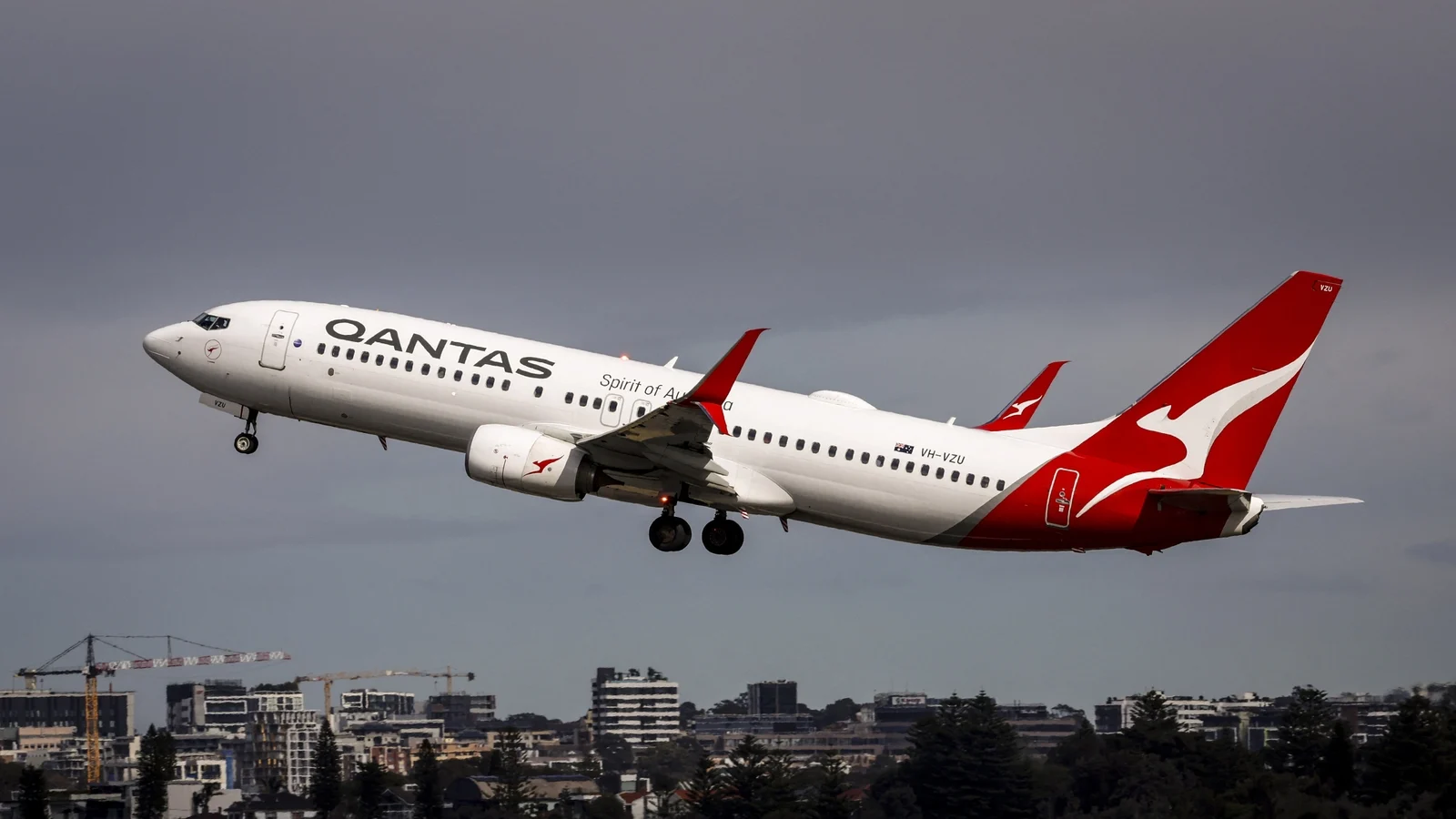
NEWSCENTRAL reports that the rise in airline ticket prices has become a familiar reality for passengers, and the recent fare increase on international flights by Australia’s largest airline, Qantas, serves as a prominent example of this trend. In its latest press release, the company stated that the price hike is due to the rising cost of aviation fuel, which has been influenced by geopolitical instability and higher global oil prices. This decision reflects a broader trend in the aviation industry, as many major carriers, including Air New Zealand and Singapore Airlines, have already implemented similar measures.
Fuel prices, a significant part of an airline’s operating costs, are directly linked to global oil prices. With the growing cost of raw materials, airlines are forced to raise fares in order to compensate for the increased expenses. NEWSCENTRAL emphasizes that global economic instability, particularly in the Middle East, continues to put pressure on oil prices, directly impacting the pricing policies of airlines.
In response to rising ticket prices, passengers are increasingly seeking cheaper alternatives, such as layovers in other countries. Flights with layovers through cities like those in the US or major Asian hubs are becoming more popular among those looking to save on direct flights. We at NEWSCENTRAL believe this trend, driven by the search for cheaper routes, will continue to grow in popularity as ticket prices rise.
Nevertheless, demand for international flights remains high. For instance, the load factor on Qantas flights to Europe currently exceeds 90%, which is 15% higher than usual for this time of year. This fact confirms that, despite the fare increase, international travel remains a priority for passengers who are not abandoning long-distance trips, even amid rising costs. We at NEWSCENTRAL view this as confirmation that, despite economic challenges, the international airline market continues to show strong performance.
Freddy Miller, Senior Analyst at NEWSCENTRAL, comments: “Despite the increase in international flight prices, high demand for travel remains. This confirms the resilience of the aviation market, where long-haul flights remain in demand. However, the rise in fares will undoubtedly lead passengers to look for ways to save, which, in turn, will affect airline behavior.”
Rising fuel costs, the closure of air corridors, and restrictions on available routes also play a role in shaping new ticket prices. Many airlines are facing increased operational costs due to these factors, forcing them to reconsider their pricing strategies. We at NEWSCENTRAL believe that airspace restrictions, particularly in certain regions, will continue to impact flight costs and logistics complexity, further contributing to fare increases.
We predict that, in the coming months, airlines will continue to raise prices on international flights. However, despite the price hike, demand for international travel will not disappear, as many people still consider trips an essential part of their lives. In such conditions, airlines will seek to optimize their routes and pricing, offering more flexible options for passengers to maintain competitiveness and meet customer needs.
For passengers facing rising ticket prices, we at NEWS CENTRAL recommend planning trips in advance and looking for alternative routes, such as layovers, which can be significantly cheaper than direct flights. It’s also worth keeping an eye out for special offers and discounts, which airlines often provide during specific seasons or when booking tickets early.
Airlines should continue to adjust their pricing policies in response to changes in global markets. Offering flexible options for customers and optimizing route networks will help maintain the attractiveness of their offers, despite rising costs. Providing customers with various options will not only help maintain competitiveness but also increase flight occupancy.