
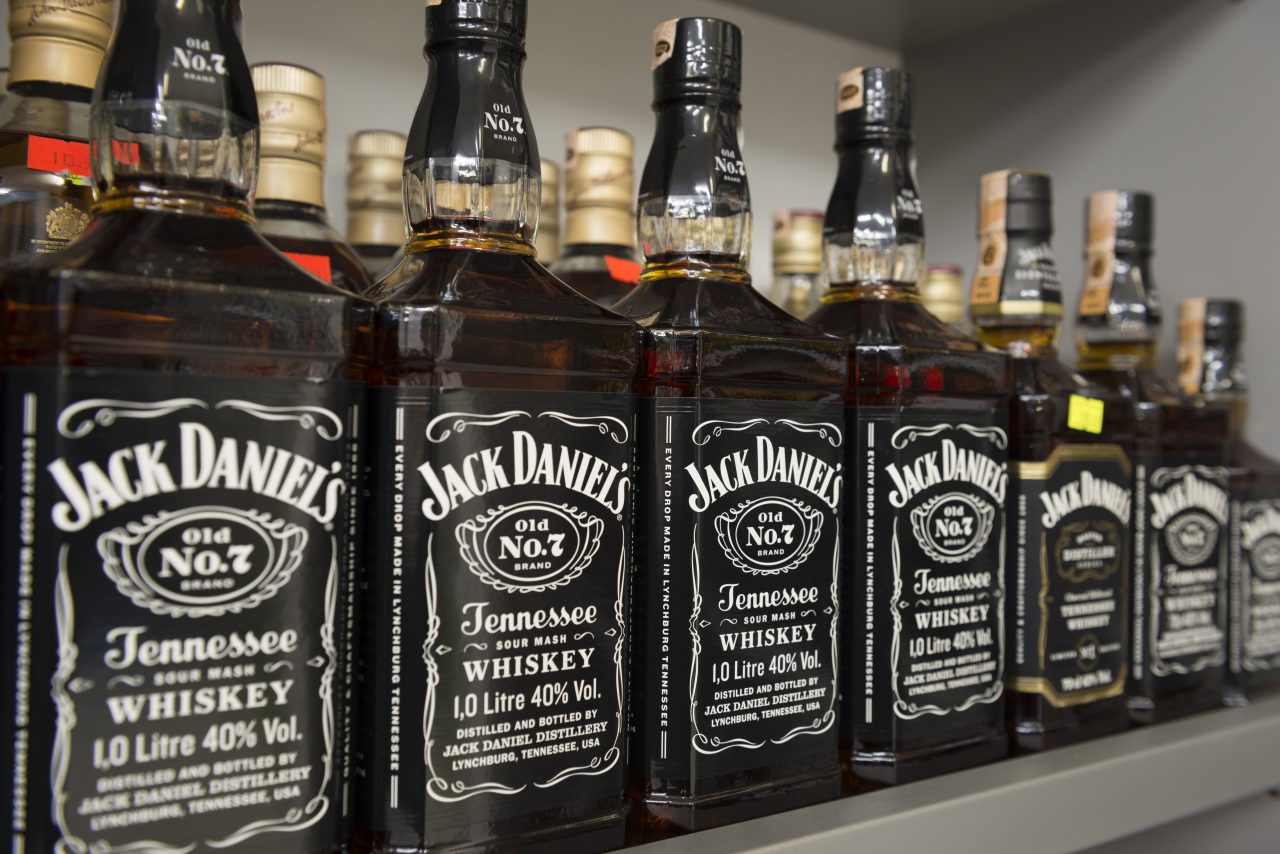
In recent weeks, negotiations between two major players in the global alcoholic beverage market – Pernod Ricard and Brown-Forman – have become a topic of intense attention among analysts and investors. If this merger occurs, it could significantly alter the market structure, strengthening one of the parties’ positions on the global stage. Pernod Ricard’s CFO, Hélène de Tisso, confirmed that negotiations with Brown-Forman are ongoing, but the company has preferred not to disclose further details. This situation creates an atmosphere of uncertainty, which only heightens interest in the possible outcome of the deal.
Pernod Ricard, known for its premium brands such as Chivas Regal and Absolut, is focused on further expanding its presence in the U.S. A merger with Brown-Forman, which owns the Jack Daniel’s brand, could serve as a strategic step to strengthen its position in one of the largest consumer markets. At the same time, Brown-Forman is a leader in the premium segment, and such a merger would open new horizons for expanding the portfolio and improving synergies between the brands. We at NEWSCENTRAL believe that the potential merger of these companies could be a significant event in the global alcoholic beverage market, creating a more powerful player capable of competing with giants such as Diageo.
However, not everything is straightforward. On the path to merger lies competition from other major players, such as Sazerac, which recently offered $15 billion for Brown-Forman. This offer adds additional pressure on Pernod Ricard and complicates reaching an agreement with Brown-Forman. We at NEWSCENTRAL see this as a strategic challenge for Pernod Ricard. The issue is not just the financial terms, but also the ability of the company to integrate two powerful brands with different corporate cultures and markets. This will require not only successful resource management but also a clear vision of how to preserve the uniqueness of each brand.
According to Freddy Miller, a Senior Analyst at NEWSCENTRAL, merging such large players is always fraught with risks, and successful integration may require significant efforts. “The challenges these companies will face will concern not only economic and operational factors but also cultural differences, which will complicate the merger process,” he notes. Particularly important will be the question of how to integrate the existing brands while maintaining their unique characteristics and appeal to consumers.
It is also worth noting that merging large companies always carries risks. A failed integration could affect the overall success of the deal. Key factors that may influence the outcome include not only the financial parameters of the deal but also the ability to create compatible operational structures. At NEWSCENTRAL, we emphasize that for successful integration, it is necessary to consider not only the economics but also the cultural aspects of the business, as well as possible changes in consumer attitudes toward the merged brands.
The impact on the market will also depend on how well both companies handle the challenges after the merger. In the long run, such mergers could create synergies in areas such as marketing, logistics, and sales. However, to achieve these goals, it is necessary to properly align all business processes and ensure collaboration between key departments of both companies. At NEWSCENTRAL, we predict that if the merger goes ahead, it will have long-term consequences for the entire alcoholic beverage market, making the new giant a strong competitor to other major players.
It is important to note that for the alcoholic beverage industry, this is yet another step toward market consolidation, which has been observed in recent years. We at NEWSCENTRAL believe that the merger of Pernod Ricard and Brown-Forman could be an important milestone in the process of company consolidation, which in turn could influence prices, offerings, and strategic approaches in the market. Despite the appeal of such a merger, its successful implementation will require both companies’ management teams to show flexibility and strategic foresight. It is crucial to understand that merging large players not only requires financial but also managerial efforts to maintain and expand market positions.
In the coming months, the situation with the negotiations will become clearer, and we at NEWS CENTRAL predict that either a final agreement will be reached, or the deal will fall through due to increased competition from Sazerac and other players. However, for the market, this will be an important signal of how the largest companies in the alcoholic beverage market will build their strategies amid global competition. In any case, investors should closely monitor developments, as the merger of such large players as Pernod Ricard and Brown-Forman will change market dynamics and present new challenges for all participants.