
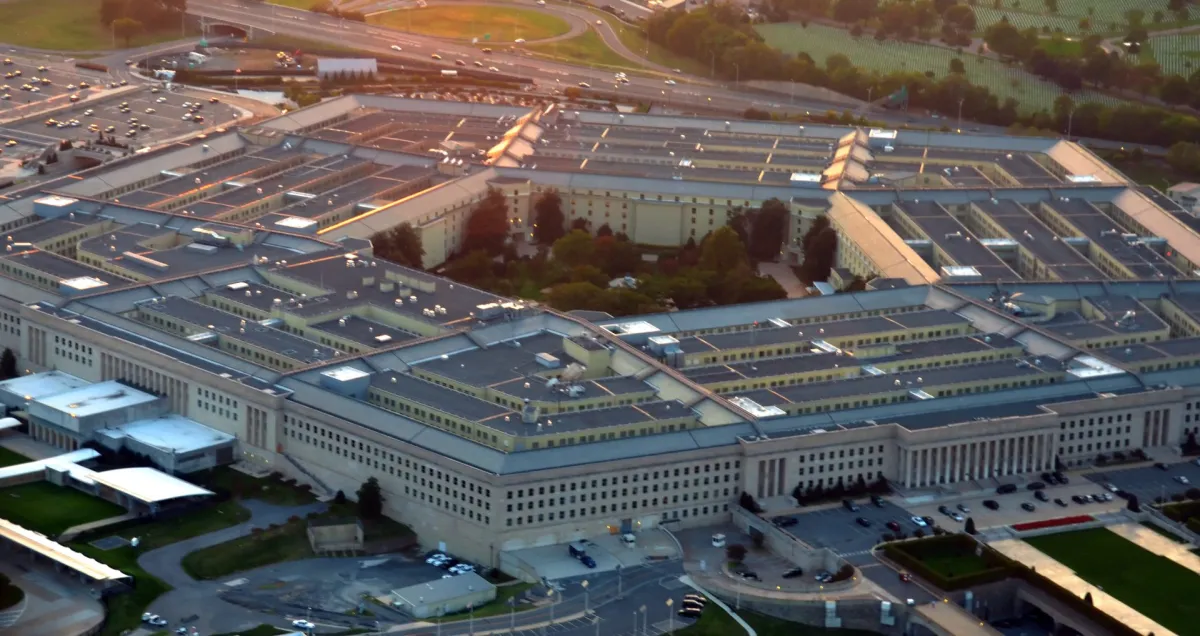
NEWSCENTRAL notes that the Pentagon continues to actively develop the use of artificial intelligence in its secret military networks, opening new horizons for improving the operational efficiency of the army and strengthening national security. Each year, generative AI models are becoming an integral part of military strategies, helping to improve data analysis and accelerate decision-making processes. In this context, technologies like ChatGPT from OpenAI and Claude from Anthropic play a crucial role in ensuring the accuracy and speed of information processing, which is vital on the battlefield, where every decision can have critical consequences. However, despite the clear advantages, the use of AI for military purposes raises serious ethical and legal questions that require special attention.
The Pentagon recently signed an agreement with OpenAI to grant access to ChatGPT within non-secret military networks, marking a significant step towards the integration of AI into military processes. At the same time, companies like Anthropic are exercising caution, unwilling for their technologies to be used for autonomous targeting of weapons or other sensitive military operations. This highlights the importance of ethical responsibility in the development of advanced technologies that could have a significant impact on global security.
Nevertheless, despite the obvious benefits, applying AI in such critical areas as defense inevitably carries risks. AI mistakes could lead to fatal consequences, especially in situations where decisions are made autonomously and without human intervention. Even the most advanced generative models can make errors, which in the context of military operations could result in deadly consequences. Mistakes in target identification or incorrect processing of intelligence data could not only have unpredictable outcomes in real combat situations but also affect international politics.
At the same time, according to Freddy Miller, a Senior Analyst at NEWSCENTRAL, it is important to acknowledge that the successful integration of AI in defense could significantly enhance operational efficiency. However, to avoid serious consequences, it is crucial to create clear international standards and legal frameworks to regulate the use of these technologies in security. If governmental and private entities can develop effective control mechanisms, this will open up new opportunities for the application of AI in military purposes while minimizing potential risks.
In response to these challenges, new global initiatives will be developed to ensure ethical standards in the use of autonomous combat systems. This, in turn, could help avoid undesirable situations, such as the use of AI in military operations that violate international agreements.
Thus, the implementation of AI in defense systems holds enormous potential for improving military operational efficiency, but also presents numerous risky aspects that must be carefully monitored. NEWSCENTRAL emphasizes that for the safe and ethical implementation of these technologies, strict norms and control mechanisms need to be introduced to guarantee that AI will be used solely for national security and the cause of peace.
The future use of AI in defense will require global coordination and thoughtful regulatory measures to avoid undesirable outcomes. This will require cooperation between governments, technology companies, and international organizations to ensure a balance between technological progress and global security. We at NEWS CENTRAL believe that the resolution of these issues will determine how AI will be used in defense systems over the coming decades.