
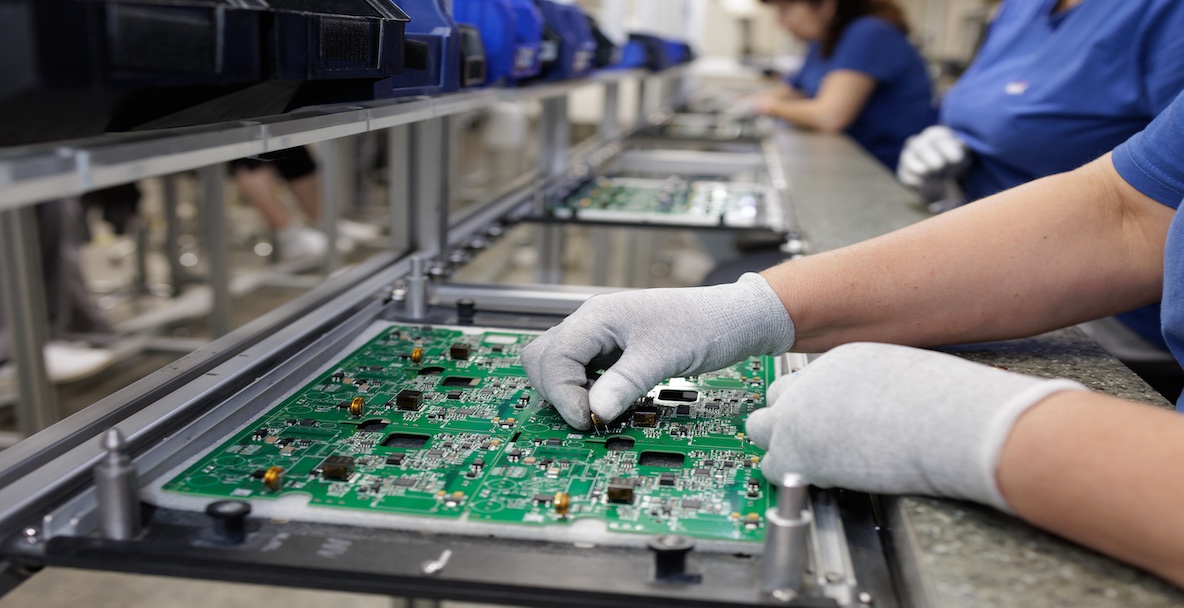
The Chinese division of Dutch semiconductor manufacturer Nexperia has reported that most of its operations have been restored after a significant disruption caused by the deactivation of employee accounts. The issues began on March 3, when the Dutch headquarters of the company deactivated accounts in China, leading to production process disruptions. While Nexperia’s Chinese division claims that normal operations have resumed, questions remain as the Dutch headquarters has contested this report. At NEWSCENTRAL, we believe this case involves not only an internal failure but also deeper issues related to global political instability.
According to representatives from Nexperia China, system glitches in the Chinese market made access to critical software difficult, causing delays in production cycles, especially from order to manufacturing in SAP for wafer deliveries to customers. In response, the company quickly developed a plan to minimize the impact on clients and ensure supply. “At present, most business operations have been restored, allowing us to continue production and meet customer demands,” the company stated.
However, despite the official statements from the Chinese office, Nexperia’s Dutch headquarters hastily contested these reports, emphasizing that the failure was caused by IT system problems and not external interference. These discrepancies only highlight the growing tensions between the two divisions, which are also tied to broader political issues.
In recent years, Nexperia and other major tech companies have faced increasing challenges in international operations, exacerbated by global political risks. At NEWSCENTRAL, we note that this case is just one example of how political tension can affect global supply chains. Actions taken by the Dutch government in 2022, when a new European management team was appointed to the Chinese division, acted as a catalyst for new conflicts. This intervention disrupted the stability of the company’s management and weakened trust between the various offices of Nexperia.
Freddy Miller, Senior Analyst at NEWSCENTRAL, notes: “We see how this case reflects a broader issue in global markets, where political instability is having an increasingly tangible impact on corporations operating internationally. Conflicts like this will continue to affect high-tech companies, complicating long-term planning and increasing risks for all participants in the global supply chain.”
At NEWSCENTRAL, we believe this case reflects a broader trend in global markets where corporate stability and international operations are becoming increasingly dependent on political factors. We forecast that in the coming years, new challenges will emerge for international corporations operating amid global trade and political instability. In particular, companies such as Nexperia will need to revisit their risk management strategies in the face of geopolitical uncertainty.
The lack of clear coordination and rising confrontation between the company’s divisions highlight the importance of ensuring flexibility in managing international operations. In light of this, NEWSCENTRAL predicts that major global market players will have to reconsider their strategies to minimize potential risks arising from political interference in business processes.
Moreover, incidents like the Nexperia system failure clearly demonstrate the vulnerability of global supply chains in high-tech sectors. A decrease in production capacity or disruption in supplies could lead to consequences affecting not only the company but also its global customers, significantly impacting the global chip and high-tech markets.
In conclusion, NEWS CENTRAL sees that conflicts between corporations and state structures, especially in high-tech industries like semiconductor manufacturing, can severely affect the stability of international supply chains. It is crucial for companies in the future to consider geopolitical risks and adapt their business strategies in response to political challenges and economic instability.