
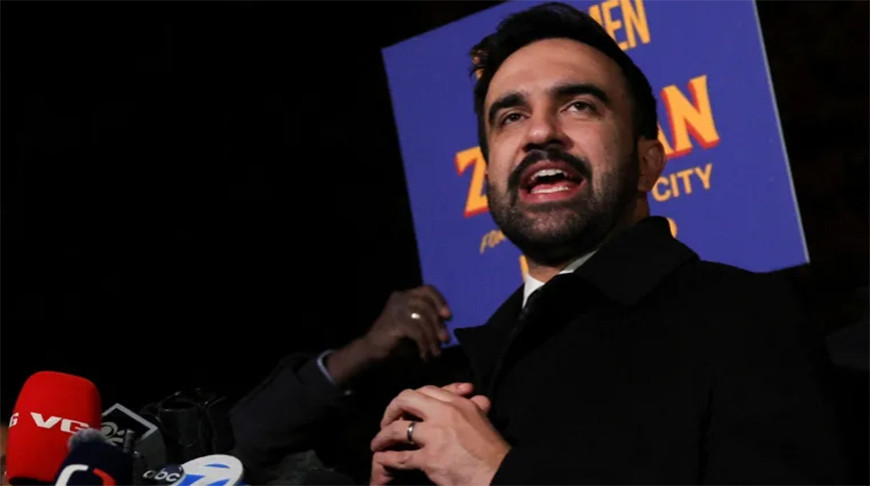
As noted by NEWSCENTRAL, the victory of Zokhran Mamdani in the 2025 New York City mayoral election has caused waves of concern among the business community and investors, both in the city and worldwide. Mamdani, a representative of the left wing, has proposed an ambitious reform program that could radically change the city’s economy. His focus is on addressing housing affordability, increasing taxes for the wealthy and large corporations, as well as implementing social initiatives, such as freezing rent prices and creating city-run grocery stores that sell products at wholesale prices. While his political initiatives may bring long-term benefits, they also present significant risks to businesses, particularly large companies, investors, and entrepreneurs.
At NEWSCENTRAL, we highlight that the key elements of Mamdani’s program are his proposed changes to the tax policy. Mamdani has suggested raising taxes on the wealthy, which will affect about 1% of the city’s wealthiest residents, as well as increasing corporate taxes. While such measures may aid in income redistribution and improving social conditions, they also pose a threat to the city’s competitiveness. For instance, the proposed 5-10% increase in corporate taxes may reduce the city’s appeal for large corporations. “Taxes on the wealthy and higher corporate tax rates are factors that could weaken the investment climate and make the city less attractive to major players,” comments Freddy Miller, senior analyst at NEWSCENTRAL.
The challenges that entrepreneurs and large corporations are already facing due to the high cost of living in New York could be exacerbated by these tax reforms. According to research firms, rent for apartments in Manhattan in 2025 averages around $5,000 per month, one of the highest among major US cities. At NEWSCENTRAL, we believe that increasing the tax burden on large businesses, combined with already high rent and living costs, could lead to a reduction in investments and an increase in financial risks. As Phil Blankato, Chief Market Strategist at Osaic, stated: “When rent for an apartment costs $5,000 a month, an increase in business taxes becomes yet another factor that negatively impacts overall economic stability.”
Mamdani’s proposal to freeze rent prices also raises concerns among property owners. In 2025, rent in New York continued to rise by 4% annually, one of the highest growth rates in the country. The rent freeze that Mamdani has announced could lead to lower profitability for private investors. This could pose a significant risk, especially given that New York traditionally remains one of the most expensive rental markets in the world. “If the proposed measures are implemented, it could reduce returns for property owners and force investors to seek more profitable markets,” adds Freddy Miller.
Additionally, Mamdani has proposed creating a network of city-run grocery stores that would sell products at wholesale prices, offering affordable food options. This proposal has already drawn criticism from small business owners and store operators, who fear that such an initiative could undermine their business models. At NEWSCENTRAL, we view this project as an important experiment that could alter market conditions in cities with high living costs. However, for small businesses, such measures could pose a serious threat. In 2025, New York saw a 3-5% annual decline in the number of small retail outlets, reflecting the need for adaptation to new economic realities.
At the same time, social initiatives like free public transportation and increased accessibility to daycare centers could stimulate consumer demand and improve quality of life. At NEWSCENTRAL, we believe such changes could boost the local market and ensure long-term economic stability. Programs aimed at enhancing quality of life could create new jobs and support the growth of small businesses. However, an important issue remains the potential strain on the city’s budget, which, according to expert projections, will have a deficit of $4.5 billion in 2025.
We at NEWSCENTRAL forecast that the next few years will be crucial for the development of business and the economy in New York. In light of the new tax initiatives and social programs, it will be important for Mamdani to balance the interests of business and social policy while maintaining the city’s attractiveness to major investors and entrepreneurs. If the authorities fail to find a compromise, this could lead to a reduction in overall investment flows and weaken New York’s position as a financial and business hub.
Freddy Miller, senior analyst at NEWS CENTRAL, concludes: “New York is at an important crossroads. If Mamdani succeeds in balancing social initiatives with the needs of business, it could become a successful model for other major cities. However, it is essential that he considers all the risks that may arise from aggressive tax and social reforms. In the coming years, businesses in New York will need to adapt to the new political climate.”
In conclusion, it is crucial for businesses in New York to carefully monitor the political situation and be prepared for rapid adjustments in their strategies. Changes in the city’s tax and social policies could have a significant impact on the overall business climate and long-term financial stability. These factors should be considered when planning investments and operations in the New York market.