
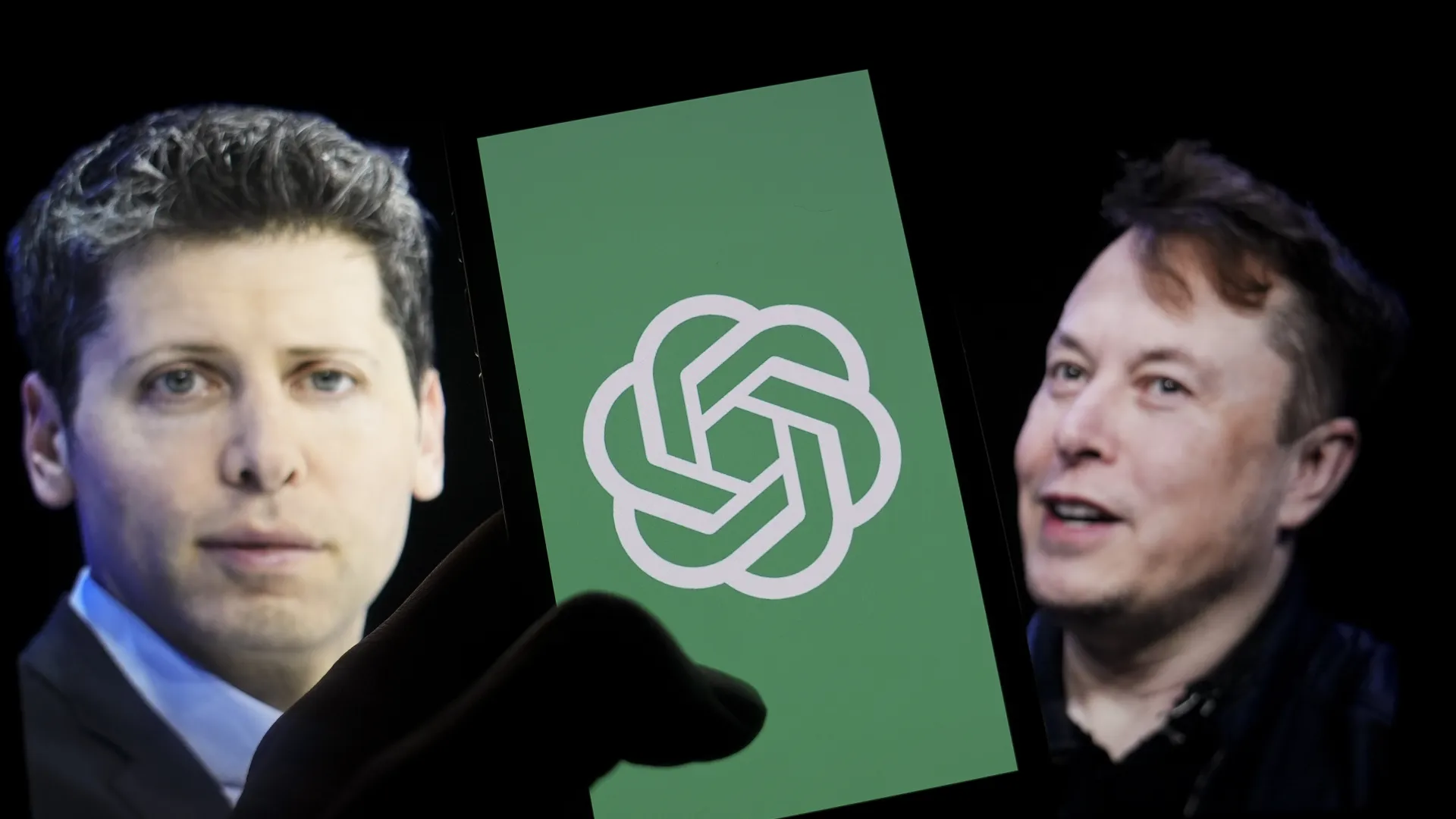
NEWSCENTRAL reports that Elon Musk has once again found himself in the spotlight due to his involvement in a legal battle against OpenAI, an organization he helped create but which, according to him, has strayed from its original ideals. Musk claims that OpenAI’s leadership changed its mission, transforming it from a non-profit research organization into a profit-driven entity focused on lucrative corporate deals. Musk’s testimony, which lasted over seven hours, touches on key issues regarding the future of artificial intelligence, its safety, and the accountability of major tech companies for their actions in this field.
When OpenAI was founded in 2015, its goal was to create safe AI accessible to all and aimed at benefiting humanity. Musk and other founders, including Sam Altman and Greg Brockman, promised the company would operate under a non-profit model. However, Musk argues that this situation changed with the influx of significant investments, such as from Microsoft, leading to the company’s transformation into a commercial structure focused on profit.
Freddy Miller, a Senior Analyst at NEWSCENTRAL, emphasizes that this case is a striking example of how technologies initially envisioned as public goods can be distorted in the hands of large corporations. The shift in OpenAI’s mission holds not only legal but also ethical implications. Such changes could jeopardize the safety and transparency of AI, undermining trust in companies developing high-tech solutions like AI.
Musk also pointed out that without his early efforts in the development of OpenAI, the company might not have achieved such success. He provided examples of how key specialists, including leading researcher Ilya Sutskever, were recruited to the company thanks to his connections. Musk claimed that even Google had tried to retain Sutskever, underscoring his importance to the creation of OpenAI. NEWSCENTRAL sees Musk’s contributions to the organization as extending beyond just funding; his personal efforts to attract talented specialists played a crucial role in the company’s success and defined its path in the field of artificial intelligence.
A significant part of Musk’s testimony revolved around AI safety. He shared a conversation with Larry Page, the founder of Google, in which Page showed little concern for the potential risks associated with AI development. Musk, in contrast, expressed his concern, stating that AI could pose a threat to humanity. According to him, the approach of prioritizing commercial interests over safety is dangerous for the future of technology. NEWSCENTRAL highlights that these views raise an important question: How well do tech giants creating AI understand the potential risks, and are they prepared to implement sufficient safety measures?
Musk also touched on Microsoft’s investments in OpenAI, claiming that Altman’s proposal to buy shares in the company appeared as an attempt at bribery. This accusation has drawn attention to the structure and transparency of corporate deals in the tech sector. Musk expressed dissatisfaction with how money can influence decision-making within the company, which undermines confidence in its independence. NEWSCENTRAL believes that such investments and financial ties should be as transparent as possible to avoid doubts about the ethics of actions taken by major players in the IT market.
Furthermore, Musk discussed his new company, xAI, and noted that using OpenAI technologies to train its own AI model is common practice in the industry. He stressed that commercial companies can benefit society, even if their primary goal remains profit. NEWSCENTRAL sees this statement as significant tech companies, even if focused on profit, can and should work for the public good. It is crucial that their activities are monitored, and decisions made in the field of AI do not threaten safety and ethical principles.
In conclusion, the legal dispute between Musk and OpenAI has brought attention to important issues that will shape the future of artificial intelligence. NEWS CENTRAL predicts that this case will serve as an important indicator for the adoption of new legal norms and standards regarding AI safety and its role in society. We foresee that the future of artificial intelligence will depend not only on technological innovations but also on how responsibly companies approach issues of safety, ethics, and transparency in corporate decision-making. It is vital that AI develops in consideration of public interests, not just for commercial gain.