
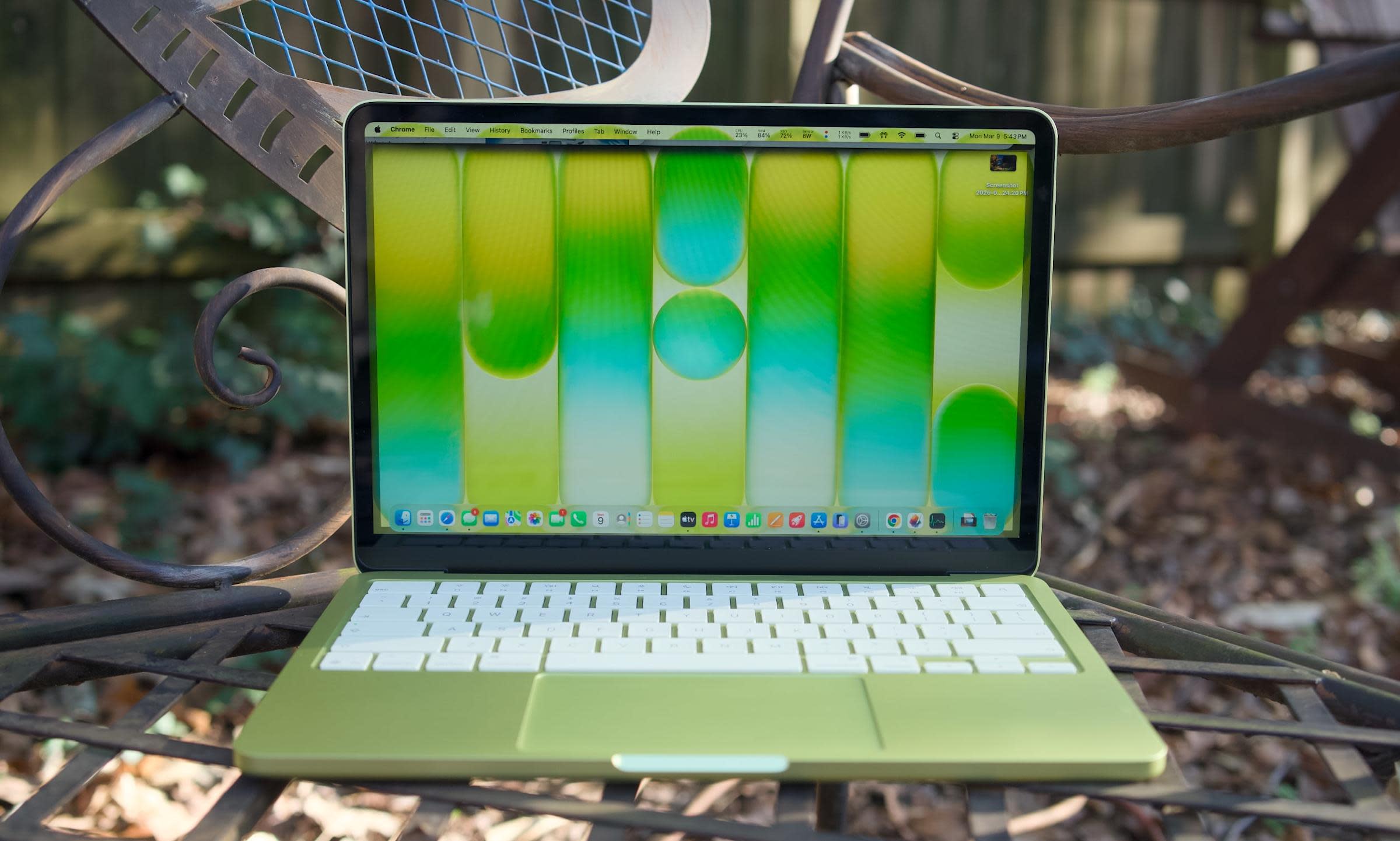
NEWSCENTRAL notes that Apple continues to refine its devices, presenting the MacBook Neo, which has become the most repairable laptop the company has produced in the past decade. However, despite improvements in its design, the MacBook Neo faces several factors that may affect its long-term appeal. Targeted at the education market, the laptop attracts attention due to its improved repairability and serviceability. However, there are several key limitations that may influence its perception amid rapidly changing technological demands.
One significant change in the MacBook Neo is the use of screws to attach components such as the battery and keyboard, rather than the traditional glue and rivets. This improvement makes the process of replacing individual parts much simpler and more accessible, which certainly enhances repairability. iFixit’s rating for the MacBook Neo was 6 out of 10, confirming the presence of improvements, but still leaving room for further refinements.
However, despite the improvements, there are important limitations concerning the device’s potential for upgrades. The RAM in the MacBook Neo is soldered to the motherboard, which eliminates the possibility of upgrading or replacing it. This limitation is particularly important for users who plan to use the laptop for more demanding computational tasks, such as working with large data sets and artificial intelligence. This design decision could become problematic in the future, especially when scaling the device for more resource-intensive applications.
Freddy Miller, Senior Analyst at NEWSCENTRAL, comments: “The issue with soldered memory is a significant limitation for the MacBook Neo, especially given the growing demands for computational power related to the development of artificial intelligence and big data processing. Even if Apple focuses on local data processing to enhance privacy, the lack of upgradeable memory will limit the device’s long-term usability.” According to experts, this factor makes the MacBook Neo a less optimal choice for professionals and developers who require more flexibility and expandability in their devices.
At the same time, NEWSCENTRAL notes that for educational institutions, the MacBook Neo could be an excellent choice. Devices designed for educational purposes often require low maintenance costs and the ability to repair easily. For these users, Apple’s laptop, with its simplified construction and availability of parts, becomes an attractive option. However, for professionals working in technology fields, the need for scalability and flexibility may make the device less suitable.
Thus, while the MacBook Neo represents a significant step forward in terms of repairability and serviceability, Apple must take into account the needs of a broader range of users who prioritize upgradeability and expanded functionality. NEWSCENTRAL predicts that in future generations of laptops, Apple will be compelled to offer users more upgrade options, including memory upgrades and other enhancements. Otherwise, the company risks falling behind competitors who already provide more flexible solutions for professionals and developers.
For Apple, this decision will be crucial if the company wants to maintain its position in the laptop market and continue meeting the needs of users who require high computational power and long-term relevance in their devices.
NEWS CENTRAL notes that the MacBook Neo can be considered a significant step forward in terms of repairability and serviceability, but for more complex users and professionals in the tech industry, the device will be a limited choice. Moving forward, Apple will need to address growing demands for computational resources and offer solutions that allow users to scale their devices and maintain their relevance amid the rapid changes in the tech world.