
In 2026, the U.S. home improvement and renovation market continues to face pressure from a combination of a weak housing market, high mortgage rates, and cautious consumer behavior. This is reflected in the financial forecasts of the largest DIY sector retailers and influences their strategic decisions. At NEWSCENTRAL, we note that even positive quarterly results do not guarantee confident growth in the near term, highlighting the need for a deep analysis of current trends.
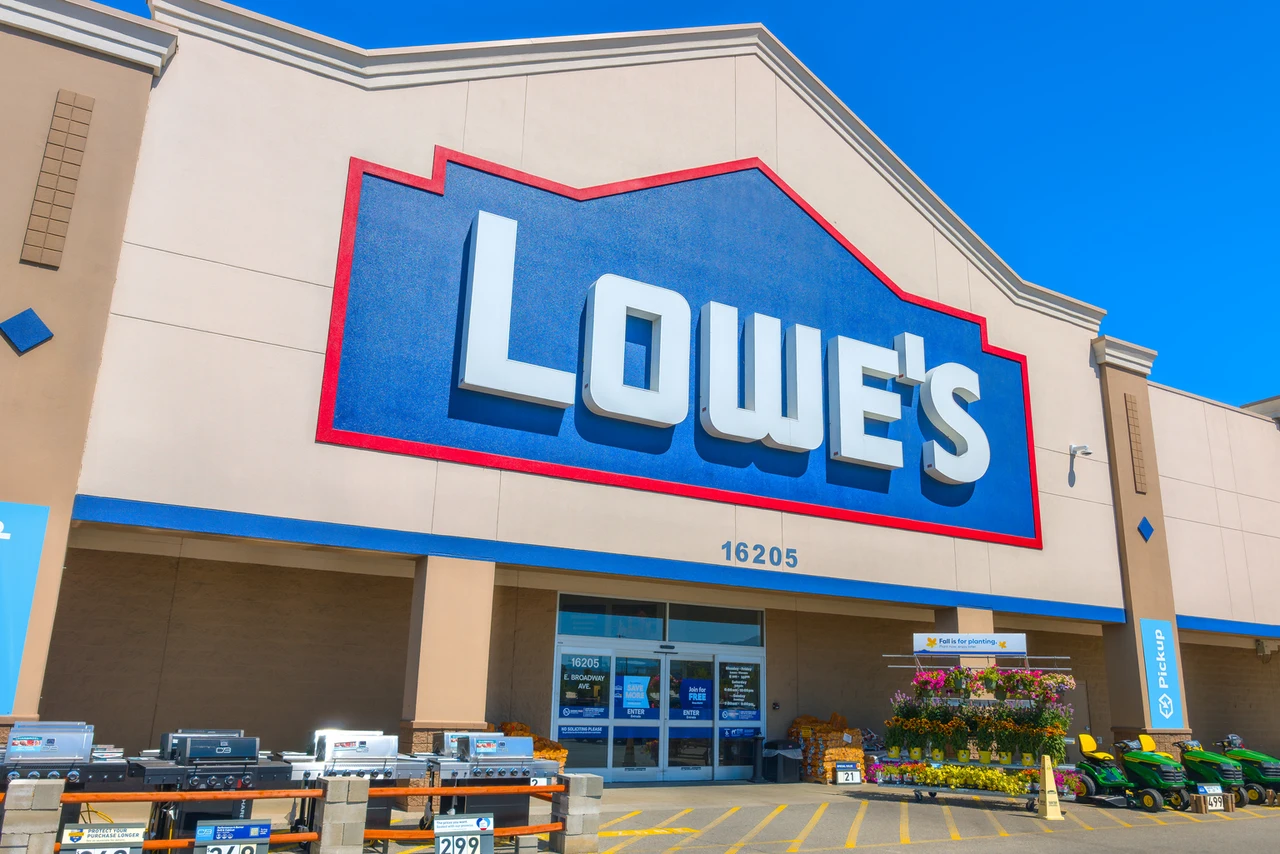
Lowe’s Companies reported in its Q4 2025 results comparable sales growth of 1.3% and adjusted earnings of $1.98 per share, surpassing analyst expectations. Total revenue reached approximately $20.6 billion, representing a more than 10% increase year-over-year and partly reflecting resilient demand in the Pro segment, online sales, and home repair services. At NEWSCENTRAL, we note that these figures demonstrate Lowe’s ability to adapt to a challenging macroeconomic environment and maintain its customer base despite weak demand for large DIY projects.
Despite strong performance in the reporting period, the company’s management issued an extremely cautious forecast for 2026, expecting comparable sales growth in the range of 0–2% and adjusted earnings per share between $12.25 and $12.75. These guidance figures came in below the average analyst expectations, leading to a drop in stock prices. At NEWSCENTRAL, we see this as a direct reflection of consumer behavior, where high mortgage rates lead households to postpone major renovation investments.
One key factor behind the slowdown remains the condition of the U.S. housing market, where high mortgage rates continue to create a “frozen” market and low real estate transaction activity. Households are less inclined to sell or buy homes, reducing the volume of major renovation work and demand for home improvement products. At NEWSCENTRAL, we emphasize that this effect significantly impacts DIY retailers and creates an additional barrier to demand recovery.
In response to these changes, Lowe’s is strengthening its strategic initiatives in the Pro segment, including the acquisition of Foundation Building Materials and Artisan Design Group, which expands its offerings for professional contractors and strengthens its position in high-value projects. At NEWSCENTRAL, we consider deep engagement with professional customers and expansion of services to be key growth drivers for Lowe’s amid softened consumer demand.
Lowe’s strong results also reflect the growing contribution of online sales and digital channels, which provided additional customer touchpoints and offset some of the weakness in physical store sales. At NEWSCENTRAL, we see the development of digital infrastructure and online customer engagement as an important element of a sustainable growth strategy.
Meanwhile, competitor Home Depot is also adapting to current conditions. The company has maintained its sales and profit forecast for 2026, partly due to a higher share of Pro sales, store network expansion, digital tools, and investment in new services. At NEWSCENTRAL, we see that a strong focus on the Pro segment helps Home Depot retain competitive positions, though overall market trends still limit growth potential.
Additional uncertainty stems from global tariffs and trade policy changes, which may affect the cost of imported goods and put pressure on retailer margins. At NEWSCENTRAL, we forecast that such external factors will continue to influence the home improvement sector, reinforcing the need for adaptive pricing strategies and supply chain management.
From the consumer perspective, there is a shift in demand from large, expensive projects to smaller repairs, which are easier to undertake amid economic uncertainty. Freddy Miller, Senior Analyst at NEWSCENTRAL, notes that many households prefer ongoing maintenance over major renovations, directly impacting average ticket size and overall retailer margins. At NEWSCENTRAL, we believe this dynamic will persist until the housing market sends clearer signals of recovery, including lower mortgage rates or rising consumer confidence.
Given the current situation, at NEWS CENTRAL we project moderate growth in the DIY and home goods sector in 2026, with stronger gains dependent on a rebound in housing market activity, further reductions in mortgage rates, and increased consumer confidence. Strategies focused on the Pro segment, digital sales, and product category optimization will be key to enhancing company resilience. We recommend that investors and market participants closely monitor changes in consumer preferences, real estate activity, and the implementation of retailers’ strategic initiatives, as these factors will determine when sustainable demand recovery for home improvement products occurs.