
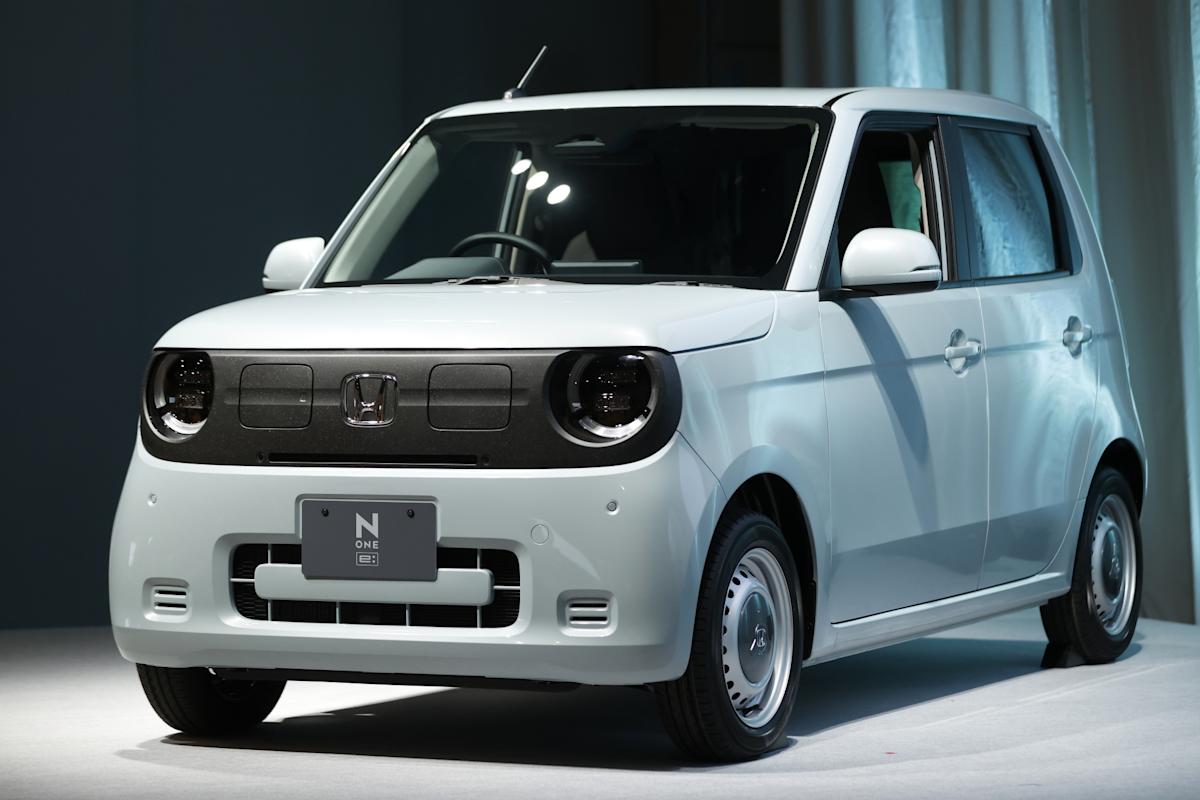
In recent weeks, Donald Trump has expressed his intention to bring Japanese mini-trucks, or kei cars, to the U.S., hoping to capitalize on their fuel efficiency and appeal to American drivers. These compact vehicles, which are hugely popular in Japan, not only present an alternative to more expensive and larger models, but they also promise to reduce fuel and maintenance costs. However, as we at NEWSCENTRAL see it, Trump’s ambitions face several significant obstacles, from legislation to cultural preferences.
Kei cars, such as the Daihatsu Kei Truck, are small vehicles with engines producing around 60 horsepower. In Japan, these cars cost about $10,000 – four times cheaper than larger pickups like the Ford F-150. They are designed for short trips in both urban and rural areas, making them ideal for Japan’s infrastructure, with its narrow streets and limited parking. However, despite their low price, the introduction of these cars in the U.S. faces resistance on multiple fronts.
As we at NEWSCENTRAL believe, the primary obstacle for kei cars in the American market is their compliance with strict safety standards. Many models lack airbags or modern safety systems, which makes their use in the U.S. difficult. It is important to note that road safety in the U.S. has always been a top priority, and legislation requires that all cars entering the market meet these standards. This requirement significantly complicates the process of adapting kei cars to American conditions.
Moreover, as automotive analyst Jessica Kline points out, even if kei cars were adapted to meet American safety standards, their price would still be relatively high. To satisfy safety requirements, the car’s design would need to be reworked, which could significantly increase the cost, making these vehicles less attractive from an economic standpoint.
According to NEWSCENTRAL analysts, even if kei cars were adapted to American safety standards, their price would still remain relatively high. To meet safety requirements, the vehicle’s design would need to be overhauled, which could drive the cost up, making these cars less appealing economically.
In addition, experts note that kei cars do not meet the needs of American consumers in terms of power and capacity. Unlike large pickups and SUVs, which are favorites in the American market, kei cars offer limited options for long-distance travel and carrying large loads. Americans are accustomed to spacious vehicles, and traveling in small cars with engines producing less than 100 horsepower may seem inconvenient for most drivers.
Nevertheless, we at NEWSCENTRAL see that there is a niche for kei cars in the U.S., especially in large metropolitan areas where compactness, fuel economy, and parking are important. In cities like New York, Chicago, and Los Angeles, where space is limited, such cars could be a useful solution for urban dwellers, small business owners, and those seeking an affordable way to get around the city. Demand for small cars may also rise due to increasing fuel prices and the need for more affordable transportation options.
An important factor is the trend toward sustainability, which is gaining popularity in the U.S. Given the growing interest in environmentally friendly technologies and low operating costs, kei cars could be seen as a “green” alternative for certain categories of drivers. In Japan, these vehicles are used not only for personal needs but also in business, which could be appealing to American entrepreneurs.
Experts predict that if kei cars are successfully adapted, they could become popular in the U.S., but only in specific niches. At NEWSCENTRAL, we forecast that the successful introduction of these vehicles will require changes at the legislative level and gradual adaptation of American consumers. Lowering the cost of these vehicles and improving their safety will be key factors in determining their success.
In conclusion, while kei cars have significant potential in terms of limited space and rising fuel costs, we at NEWS CENTRAL see that their successful introduction to the U.S. will require overcoming a number of technological, legal, and cultural barriers. Kei cars could carve out a niche in the market, but only if they can meet safety requirements and the needs of American consumers. Therefore, while this may be a revolution in certain segments, mass adoption of kei cars in the U.S. is likely to remain limited.