
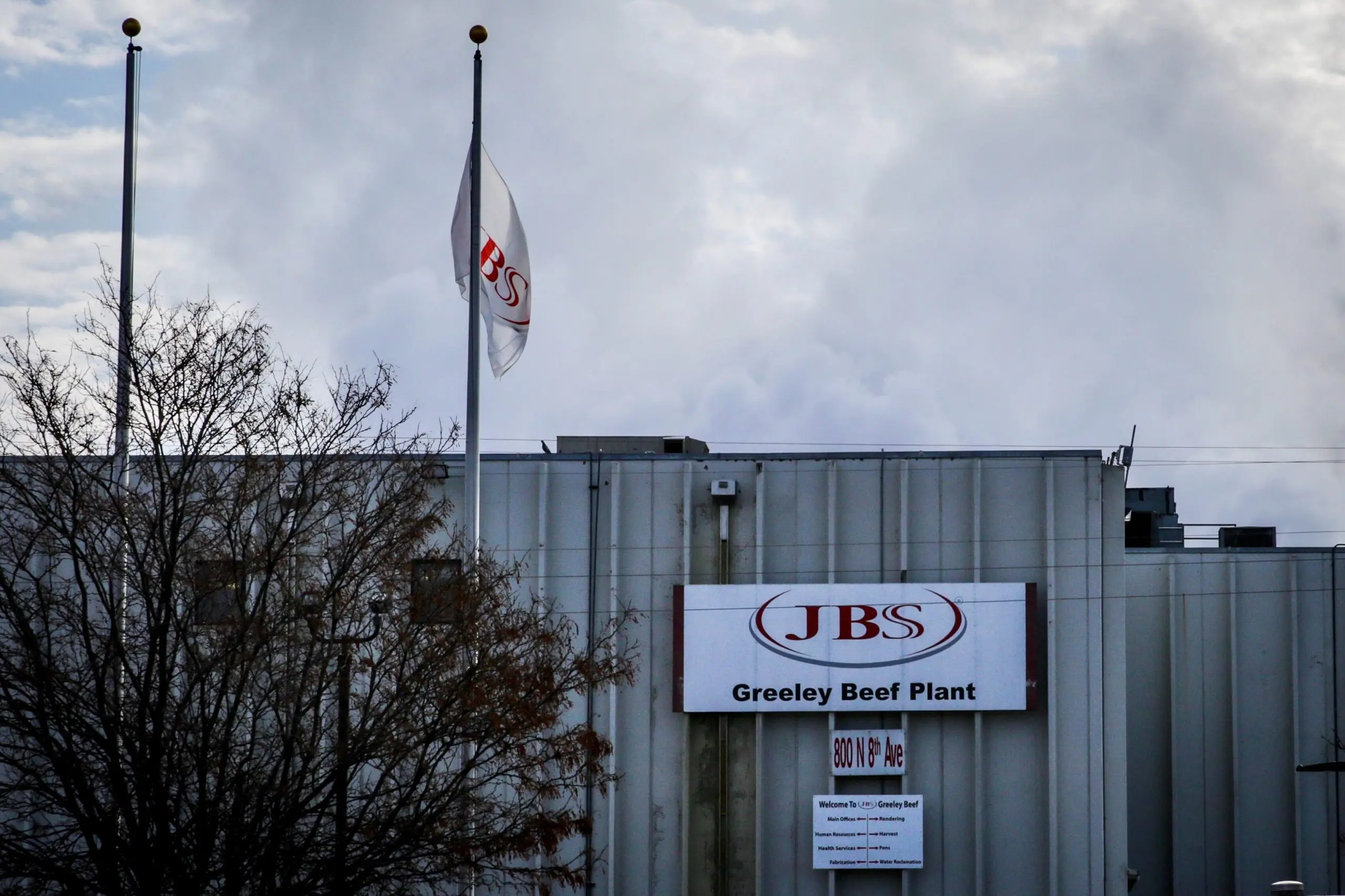
NEWSCENTRAL reports that after more than three weeks of striking, workers at the world’s largest meat-processing company, JBS (Z98.F), returned to their jobs in Greeley, Colorado, after the company agreed to continue negotiations with the union. This decision ended the labor dispute that had been ongoing since mid-March. The union, which represents around 3,800 employees, announced that the next round of negotiations will take place on April 9 and 10, providing an opportunity for improved working conditions, including higher wages and the elimination of additional costs for personal protective equipment (PPE).
The strike was triggered by a sharp rise in beef prices, which reached record levels in 2026. This increase was driven by a reduction in cattle stocks to their lowest levels in 75 years, placing meat-processing plants in difficult conditions. Despite the higher meat prices generating profits for companies, JBS workers claim their wages are not keeping up with inflation, and the costs of PPE remain high.
Experts, including Freddy Miller, Senior Analyst at NEWSCENTRAL, point out that the situation in the U.S. meat-processing industry reflects deeper issues in the economic model. Despite high meat prices creating profits for companies, these profits do not cover the rising costs of livestock procurement and labor. In a highly competitive environment, companies are forced to cut social expenditures, leading to labor disputes.
The union continues to insist that the company provide better working conditions and fairer compensation for its employees. Kim Cordova, president of the local union chapter, stated: “We will fight until our demands are met.” These words highlight not only the growing dissatisfaction among JBS workers but also underline broader issues in the U.S. meat-processing sector. Labor disputes in the industry are becoming systemic, as seen in the case of Tyson Foods, which shut down one of its plants in Nebraska and reduced production volumes in Texas. These events confirm that labor relations problems are not limited to individual companies.
As Freddy Miller from NEWSCENTRAL emphasizes, meat-processing companies need to rethink their business strategies to reduce the risks of social conflicts and improve production efficiency. To avoid further strikes and other labor disputes, companies must revisit their compensation policies, improve working conditions, and establish more transparent and open negotiations with unions. This will build worker trust and enhance overall productivity.
NEWSCENTRAL forecasts that if companies continue to ignore workers’ demands, the situation in the meat-processing sector will worsen. In the face of labor shortages and rising operating costs, they will be forced to rethink their business models to remain competitive. In the long term, companies that do not take measures to improve working conditions and compensation will face serious challenges in maintaining stability in the market.
NEWS CENTRAL notes that labor relations and wage issues in the U.S. meat-processing sector, amid rising meat prices, are becoming central to ensuring the stability and future growth of the industry. Companies must develop strategies that strike a balance between economic efficiency and social responsibility to avoid further strikes, enhance competitiveness, and support the long-term sustainability of their business.