
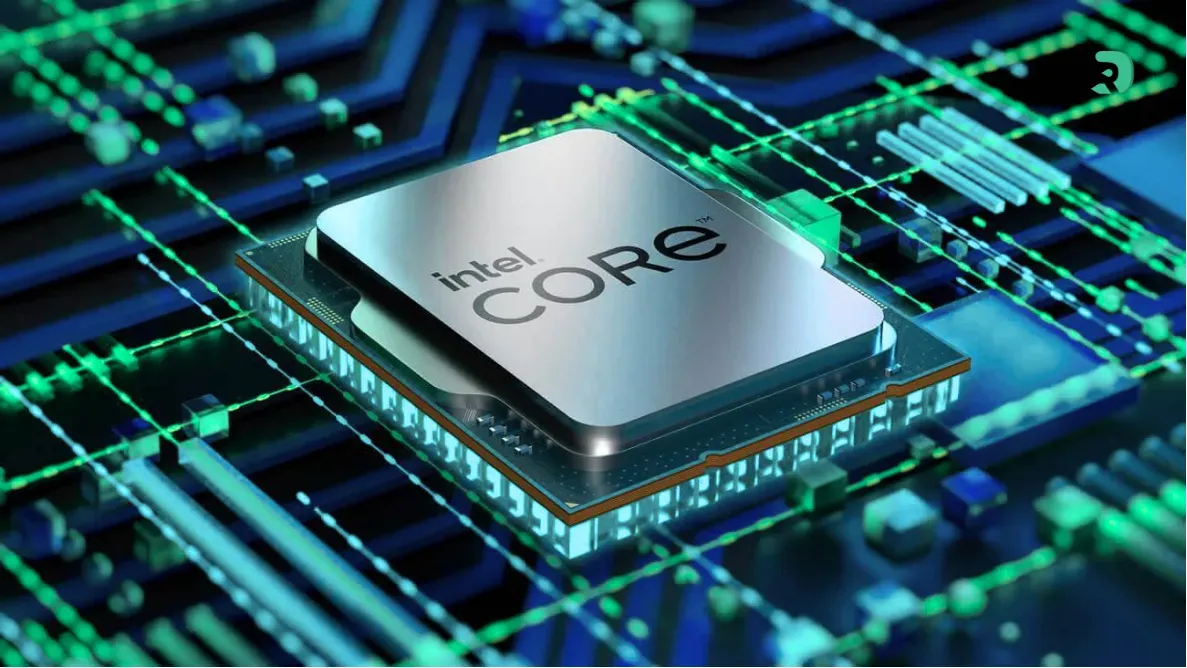
NEWSCENTRAL notes that Intel, once the king of the processor market, is now facing increasing competition from giants like AMD and Nvidia, especially in the fields of artificial intelligence (AI) and mobile technologies. To overcome this challenge, the company will need not only to improve its traditional products but also to innovate in order to secure leadership in emerging, high-potential segments such as robotics and AI. The recent announcement of the Core Ultra Series 3 chip could be a key element in Intel’s strategy to regain its position.
At the recent CES 2025 technology conference, Intel unveiled its new chip, which is expected to be installed in more than 200 new PC models. But that’s not all: Intel chips are also being actively integrated into devices using AI, such as robots. The company’s strategy involves not only strengthening its position in the traditional PC market but also actively introducing its technologies into developing fields. NEWSCENTRAL notes that this strategic decision has enormous potential, though the road ahead will not be easy.
First, it is important to mention that Intel’s competitors, such as AMD and Nvidia, are already actively working in the AI space. AMD, for example, has offered solutions capable of processing larger AI models without relying on cloud computing, which reduces latency and enhances security. This makes their chips attractive to corporate clients and could play a significant role in the future. Freddy Miller, a Senior Analyst at NEWSCENTRAL, emphasizes that despite Intel’s innovations, the company’s competitive advantages in this segment will depend on how successfully it can implement its chips into new industries like AI and robotics.
Nvidia, on the other hand, remains a leader in the production of graphics processors used for complex computations in AI and machine learning. At CES, the company showcased its latest developments, including chips designed to solve AI tasks with minimal latency. This further reinforces Nvidia’s status as a crucial player in the technological race. At NEWSCENTRAL, we see that Intel faces a tough road ahead in trying to compete with Nvidia in this area.
However, Intel is actively expanding into robotics. The company has begun supplying its new chips to robotic systems that use AI to process data without the need for constant cloud connectivity. This not only reduces data processing costs but also provides autonomy and flexibility to these devices. NEWSCENTRAL believes this direction has the potential to become the next major source of growth for Intel. If it successfully integrates its chips into robots for healthcare and other industries, Intel could strengthen its market position.
Moreover, support from the US government gives Intel added confidence in the domestic market. In 2025, the government purchased 10% of the company’s shares, signaling its interest in supporting a national chip manufacturer. This move could help Intel attract additional investments and increase its market share. NEWSCENTRAL emphasizes that this support is strategically important for the company, especially in light of competition from overseas players.
In conclusion, NEWS CENTRAL forecasts that Intel may regain its position in the market if it continues to invest heavily in AI and robotics-focused developments. It is important to note that in this process, Intel will need to compete with giants like Nvidia and AMD, which have already established strong positions in this market. The company’s success will depend on how well it adapts its technologies to new challenges and accelerates the integration of its chips into innovative solutions, allowing it to strengthen its presence in the world of AI and robotics.