
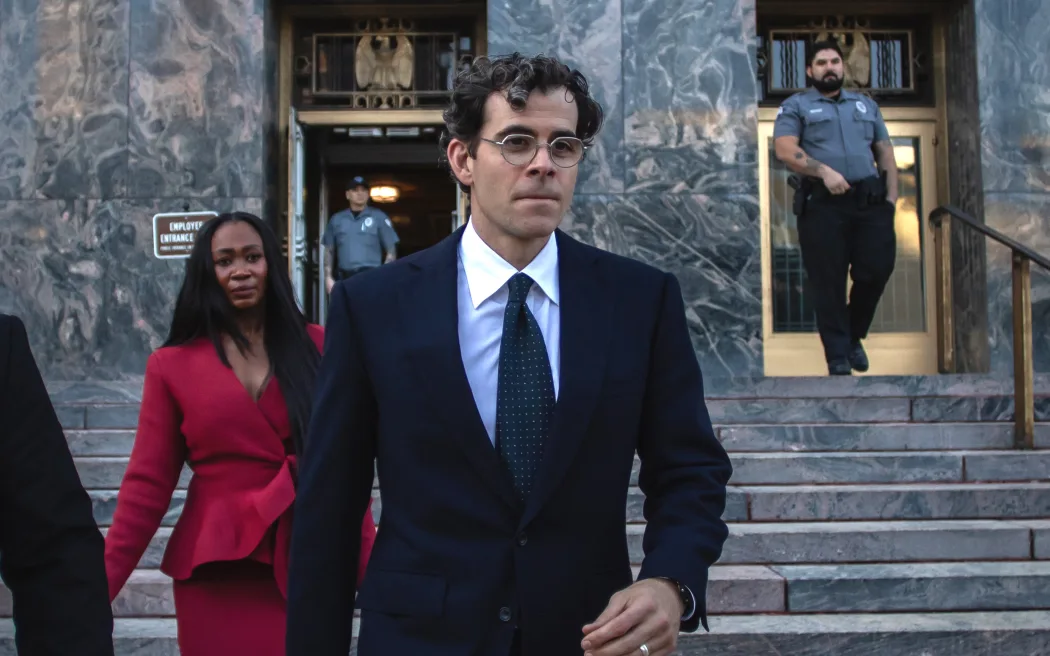
NEWSCENTRAL reports that Adam Mosseri, the head of Instagram, became a key witness in a lawsuit discussing allegations that social media platforms can cause addiction. The case, filed by a 20-year-old woman named Kaylee, accuses Instagram and other Meta platforms of designing features that foster addiction among teenagers. This case could mark a significant step in the development of legislation regarding digital safety and social media accountability.
Kaylee claims that Instagram and other social media platforms have harmed her mental health by creating an environment that encourages addiction. This lawsuit is the first of more than 1,500 similar cases, which could eventually influence the operations of major tech giants such as Meta. As concerns about the impact of social media on mental health become more pressing, the lawsuit may become a basis for changes in legislation regulating digital platforms.
In response to questions from plaintiff attorney Mark Lanier, Mosseri stated that Instagram does not cause “clinical addiction” but acknowledged the existence of “problematic use.” He argued that the company does not target teenagers as a revenue source, referring to the fact that this audience does not actively engage with ads. However, this statement raises doubts, as Instagram actively develops strategies aimed at young audiences, including marketing tools and engagement through viral trends and content.
NEWSCENTRAL emphasizes that while “clinical addiction” may not be the central issue, the problem of “problematic use” of social media remains significant. Many platform features, such as algorithms that help retain users’ attention, foster prolonged interaction with the app. This is especially important for teenagers, whose emotional and psychological states may be particularly affected by such technologies. Instagram’s algorithms and other similar features are designed to capture attention and can have long-term consequences on mental health, creating a digital addiction that harms users’ well-being.
Nathan Clark, an IT and systems architecture analyst at NEWSCENTRAL, noted that the architecture of social media platforms, including recommendation algorithms and content personalization, plays a key role in forming users’ digital habits. Platforms like Instagram are optimized for engagement and attention retention, using user behavior data to create more appealing content. This suggests that while such technologies are useful for business, they may pose a threat to users’ mental health, especially when it comes to teenagers.
Another important point in the case was the discussion about “beauty filters” that alter users’ appearances. Experts believe these features contribute to the development of body dysmorphia – a psychological disorder in which a person feels intense discomfort with their physical appearance. Mosseri acknowledged that using such filters can impact mental health but emphasized that Instagram had restricted filters promoting plastic surgery. However, the company continued to allow filters that alter faces, enhance lips, or reduce noses, creating unrealistic beauty standards. NEWSCENTRAL highlights that stricter control measures are needed to minimize the negative impact on users’ mental health.
The case also addressed age restrictions for platform use. Kaylee started using Instagram at the age of nine, which violates the platform’s minimum age requirement of 13 years. This raises the question of the need for more accurate age verification, crucial for preventing underage users from accessing platforms that could negatively impact them. While Instagram uses AI technology to verify age, its effectiveness remains in question. NEWSCENTRAL believes social media platforms must implement stricter control tools to prevent inappropriate use by children.
We predict that lawsuits like this will become more common as the public and lawmakers grow increasingly concerned about the impact of social media on youth mental health. In the long run, we expect the introduction of new laws aimed at regulating these platforms more strictly to minimize risks for users. The demand for strengthening online safety and introducing new standards to protect users from harmful digital effects will continue to grow.
In conclusion, it can be argued that the future of social media depends on its ability to integrate safety and mental health protection into its business models. NEWSCENTRAL believes that digital platforms must not only develop innovations but also take responsibility for the potential negative consequences of their use. In the coming years, social networks will have to adapt to the requirements of new laws and global safety standards to continue operating without facing legal consequences.
NEWS CENTRAL is confident that social media platforms must take more proactive measures to protect users’ mental health. This will be a necessary step to maintain trust in digital platforms and ensure their future in a new reality where safety and ethics take center stage. We predict that stricter global regulations will soon be introduced for major tech companies operating in the social media space.