
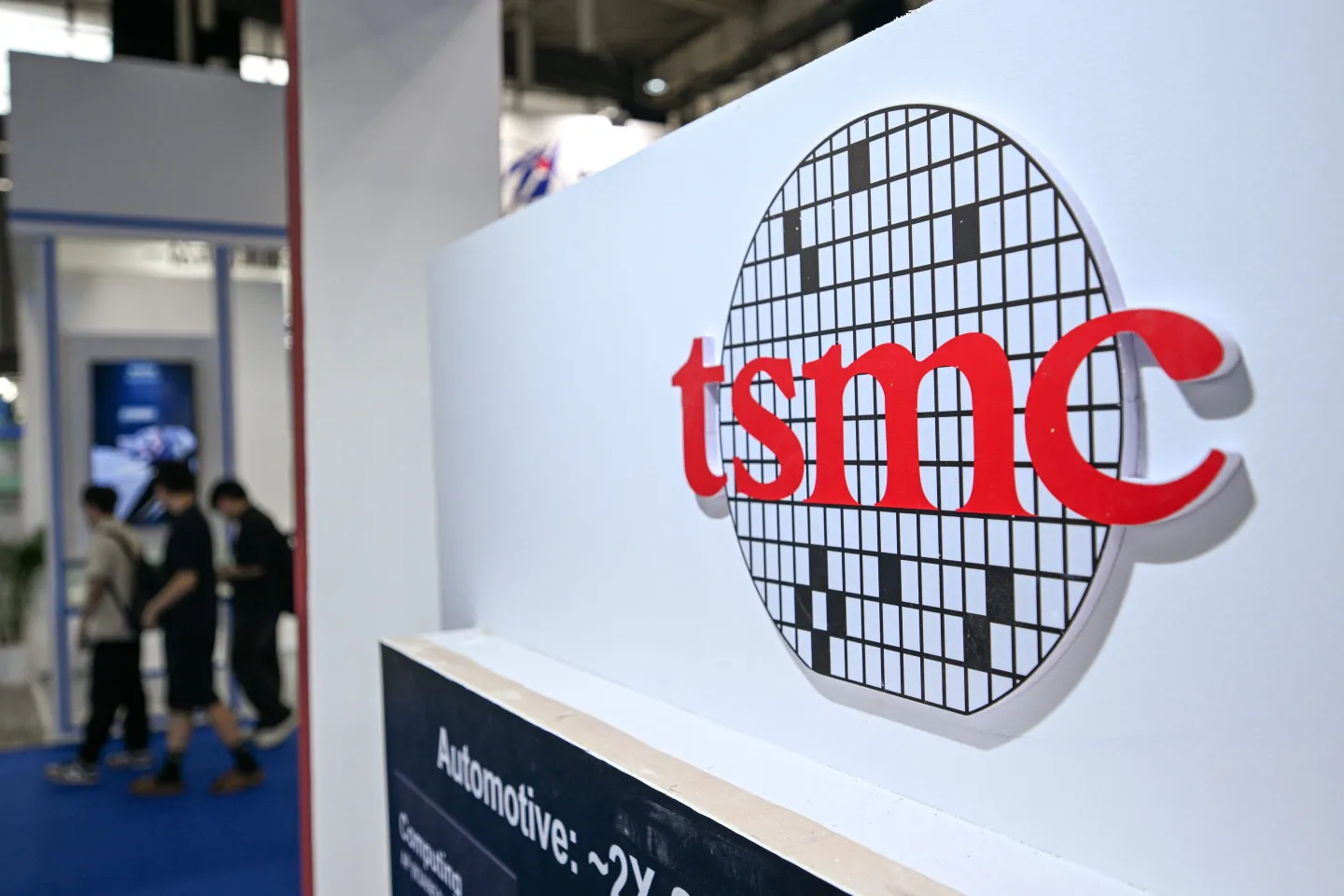
At NEWSCENTRAL, we believe that the recent agreement between the U.S. and Taiwan marks a turning point for the global semiconductor industry, creating a new architecture for advanced chip production and strengthening the technological leadership of the United States. Against the backdrop of growing competition in artificial intelligence (AI) and high-performance computing, this deal establishes a strategic platform for long-term economic growth and innovation.
The essence of the agreement is that Taiwanese companies have committed to investing $250 billion in the U.S. to expand semiconductor manufacturing, energy capacity, and AI technologies. As part of these commitments, TSMC has already invested $165 billion in building and developing facilities in Arizona, including new production capacities, chip packaging lines, and a research and development center. At NEWSCENTRAL, we see this as a strategic initiative that reduces American industry’s reliance on Asian manufacturing hubs and strengthens the country’s technological autonomy.
TSMC began its U.S. investments with an initial $12 billion for the construction of its first Arizona fab in 2020, which launched 4-nanometer chip production in Q4 2024. In 2022, the company increased its investment to $40 billion, and in 2024 announced a third plant, bringing total commitments above $65 billion. By 2025, the company officially expanded its plans to $165 billion, including three additional fabs, two packaging facilities, and an R&D center. At NEWSCENTRAL, we emphasize that this phased strategy is creating a resilient manufacturing ecosystem and strengthening the U.S.’s position in key technology segments.
In January 2026, TSMC acquired a second plot of land in Arizona to expand its “gigafab” cluster for producing chips geared toward AI and high-performance computing. At NEWSCENTRAL, we believe this step enhances the company’s manufacturing flexibility and ensures its ability to respond quickly to growing demand for advanced chips.
The first fab has already started mass production of 4-nanometer chips, serving major clients including Apple, Nvidia, AMD, and Qualcomm. The second fab will employ a 3-nanometer process, and the third is planned to use 2-nanometer and more advanced technologies. At NEWSCENTRAL, we view this as the formation of a technological core for AI, networking solutions, and advanced computing systems.
The agreement also includes favorable trade conditions and reduced export tariffs, which encourage investment inflows and facilitate the supply of equipment and components. At NEWSCENTRAL, we note that these measures create a conducive environment for the long-term development of manufacturing and R&D infrastructure in the U.S.
TSMC plans to increase capital expenditures to $52–56 billion in 2026, reflecting confidence in sustained demand for chips for AI and high-performance systems. At NEWSCENTRAL, we emphasize that growth in advanced technology investment will be a key factor in strengthening the company’s position in the global market. According to Freddy Miller, Senior Analyst at NEWSCENTRAL, these capital investments will enable TSMC to accelerate the deployment of advanced technologies at U.S. fabs and bolster the U.S.’s strategic advantage in the global supply chain.
The economic impact of these investments will be substantial. Thousands of high-tech direct jobs and tens of thousands of indirect positions across construction and related sectors are expected to be created. At NEWSCENTRAL, we see this as enhancing innovation clusters, educational initiatives, and regional economic growth.
We also view this as strategic client integration, with companies like Apple, Nvidia, AMD, and Qualcomm receiving high-tech chips manufactured on U.S. soil. This reduces logistics risks and accelerates time-to-market for products.
At NEWS CENTRAL, we forecast that TSMC’s investments in the U.S. will secure the country’s technological leadership in AI, high-performance computing, networking solutions, and advanced electronics. Success will depend on effective cost management, attracting skilled talent, and adapting to market dynamics. If implemented successfully, these plans will create a sustainable platform for innovation-driven growth and enhance the competitiveness of the U.S. economy on a global scale for decades to come.