
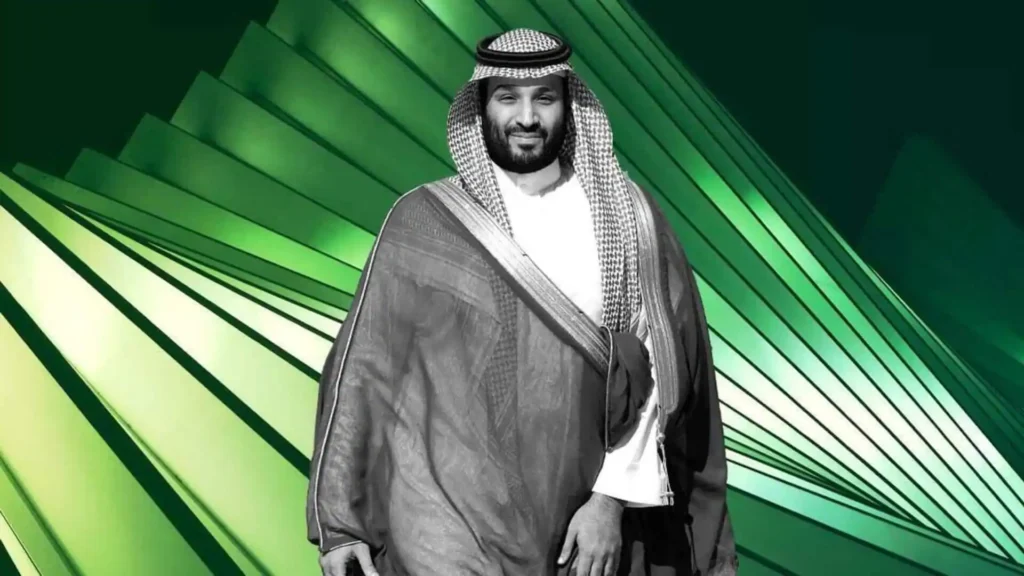
At NEWSCENTRAL, we observe how financial flows from Saudi Arabia are increasingly penetrating the global entertainment industry, and what is happening now could mark the beginning of a new era for Hollywood and global media. The Saudi government, seeking to diversify its economy and enhance the cultural appeal of the Kingdom, is turning cinema and mass media content into a strategic focus.
A key symbol of this transformation is the Red Sea International Film Festival (RSIFF), a festival that has grown from a regional event into an international platform capable of attracting major global stars and producers in just a few years. The fifth edition of the festival, taking place from December 4-13, 2025, will showcase over one hundred films from more than seventy countries, including sixteen films selected for the main competition. The opening of the festival will feature a red carpet with international actors and directors, demonstrating the current scale of the event. Organizers note that alongside film screenings, there will be masterclasses, business negotiations, and the Souk structure, which connects regional and global markets. All of this is turning Jeddah into a temporary capital of world cinema.
At the same time, Saudi Arabia is making a significant push to integrate into the Hollywood production system. In October 2025, the Arena SNK Studios were established under the leadership of producer Eric Feig, known for his work on major Western projects. Funding of up to one billion dollars has been provided by Saudi funds. Industry estimates suggest this could become the Kingdom’s largest direct investment in a classic film and television company in history.
Saudi investments go far beyond festivals and studios. The Kingdom is involved in major deals in the entertainment, media, and interactive content markets. It is expected that funds from the Gulf region, including Saudi Arabia, could support Paramount Skydance’s attempt to gain control of Warner Bros. Discovery. At NEWSCENTRAL, we see this as a strategic signal of the expansion of Middle Eastern capital in global media structures.
Saudi capital is now one of the few large sources of funding available to Hollywood amid rising production costs and declining revenues from traditional box office and television. Support through festival platforms, the creation of studios, and participation in major deals provides an opportunity to redistribute resources and support the industry’s development.
Saudi Arabia’s involvement could accelerate the international integration of the global film industry. This opens up new filming locations, ensures access to Middle Eastern markets, and creates opportunities for cooperation with local production companies. At NEWSCENTRAL, we note that the infrastructure being formed by the Red Sea Festival and Arena SNK Studio, which previously did not exist, is now becoming the foundation for long-term growth.
However, rapid growth brings risks. The presence of investors with state involvement can affect values, artistic decisions, and content independence, which has already sparked discussions within the professional community. Additionally, mergers of large media companies involving Middle Eastern funds raise concerns about control over key assets and editorial autonomy.
At NEWSCENTRAL, we predict that in the next two to four years, Saudi Arabia’s influence in the international film and media industry will continue to grow. The studios and projects that succeed will be those that can maintain creative autonomy while adapting to international norms and effectively building partnerships.
Recommendations for studios and production teams include the need to discuss in advance issues of creative freedom, intellectual property distribution, and transparent governance mechanisms. It is important for investors to support not only the projects themselves but also local talent, educational initiatives, and infrastructure, so that investments are seen as a contribution to sustainable growth, rather than just temporary budget duplication.
At NEWS CENTRAL, we believe that the intersection of Saudi Arabia’s economic interests and Hollywood’s need for capital forms a rare window of opportunity for the industry. The final outcome will depend on how effectively the parties can balance investment ambitions with professional, cultural, and artistic responsibility.