
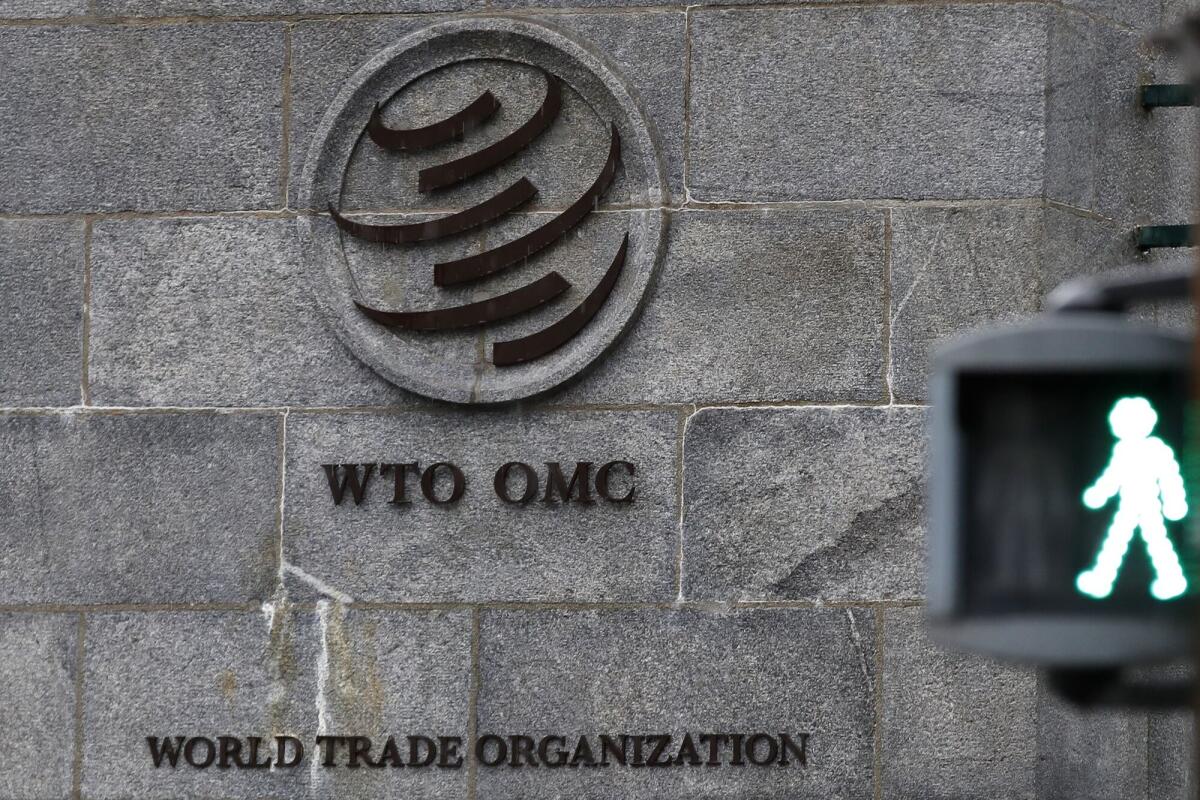
NEWSCENTRAL reports that the World Trade Organization (WTO) negotiations, which concluded in Yaoundé, sent an important signal to the global economy. The main issue on the agenda was the extension of the moratorium on tariffs, which has been in place for e-commerce for over 28 years. However, efforts to extend this moratorium were blocked by Brazil and Turkey, reflecting growing tensions between developed and developing countries over digital economy issues. In response to this crisis, a group of 23 countries, including the United States, the United Kingdom, Japan, and Mexico, reached an agreement not to impose tariffs on e-commerce within this group. However, this leaves the question open of how rules will evolve within the broader WTO organization of 166 members.
This moment highlights deeper disagreements in global trade. It is important to note that, despite the rapidly growing role of digital trade in the economy, there are still no clear and universal rules in place. Against the backdrop of these disagreements, NEWSCENTRAL believes that the current situation presents new challenges for international trade and requires careful development of approaches that consider the interests of both large economies and developing countries.
Developing countries, such as Brazil and Turkey, have expressed concerns that opening markets to foreign online platforms could undermine the competitiveness of local businesses. At the same time, countries focused on supporting the growth of digital platforms, such as the United States and the United Kingdom, see free digital trade as an important factor for continued economic growth. This makes finding a compromise even more challenging, especially when countries have to balance political and economic interests.
Freddy Miller, a Senior Analyst at NEWSCENTRAL, notes that “digital trade requires flexibility in regulation, as it is not bound by physical barriers, and tariffs on digital goods could lead to unjustified restrictions for global markets.” This opinion reflects the growing importance of the digital economy and the need to develop new, more adaptable approaches to its regulation.
The future of global trade largely depends on how countries can agree on rules that will both foster the development of digital technologies and protect the interests of local economies. As the volume of digital goods and services increases, it is crucial that international negotiations lead to the creation of mechanisms that promote growth and innovation, while also ensuring fair competition. NEWSCENTRAL forecasts that in the future, countries will be forced to seek new regulatory pathways to not only maintain openness in their markets but also protect national interests in the context of the growing digital economy.
NEWS CENTRAL believes that these negotiations underscore the complexity of regulating e-commerce and highlight how critical it will be to develop universal and fair standards for global trade in the future. Given the rapid growth of digital platforms and services, we are confident that new approaches will be developed in the coming years that will balance the interests of all participants in the global economy.