
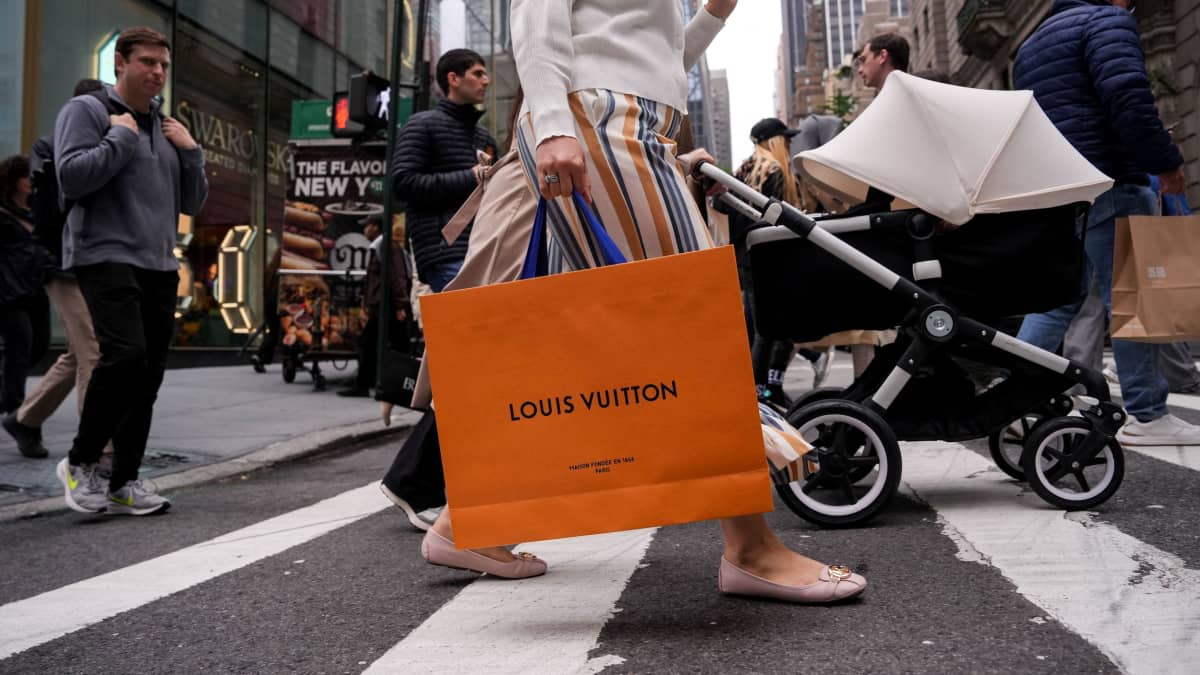
NEWSCENTRAL reports that LVMH, the global leader in luxury goods production, has published its results for the first quarter of 2026, which were less successful than expected. The ongoing war in Iran and economic instability in the Middle East have put significant pressure on its business. The company’s sales dropped by 1%, below analysts’ forecasts of a 1.5% growth. This downturn is a result of weakening demand in the Gulf countries and a decline in tourism in Europe. Despite the negative economic impact, there are several factors suggesting that LVMH and other companies in the luxury industry may return to growth if the global situation stabilizes.
As Freddy Miller, Senior Analyst at NEWSCENTRAL, noted, such global disruptions as the Middle East conflict always have a long-term impact on the luxury market, especially in countries that are crucial for LVMH’s business, such as the United Arab Emirates, where shopping malls account for a significant portion of the company’s revenue. The loss of income from this region and the decrease in foot traffic have been the primary factors contributing to the overall decline in sales.
The reduction in purchasing power and geopolitical instability in the region led to a dramatic 50% drop in sales in Dubai’s shopping malls since the conflict began. In response to these changes, Laurent Chodet, an analyst at Paris-based BDL, stated that it is difficult to expect significant recovery in this part of the world in the near future. Meanwhile, the U.S. market has shown positive results, with organic growth of 3%, which may serve as an indicator that LVMH’s major brands, such as Louis Vuitton and Dior, still maintain their appeal among American consumers.
At NEWSCENTRAL, we observe that stability in the U.S. and Asia, coupled with growth in luxury goods purchases in these regions, provides grounds for optimism. Despite the challenging conditions in other markets, LVMH continues to demonstrate significant growth potential in regions where economic and political conditions are more stable. Notably, China, despite its tough economic situation, remains one of the most profitable markets for luxury brands, which positively impacts the company’s overall results.
However, problems in Europe and the Middle East continue to affect LVMH’s financial performance. With a strong euro and heightened political instability in the Middle East, the company will need to adapt its strategies and consider these changes when making resource allocation decisions. It is important to highlight that the crisis in the luxury goods sector is not solely due to the military situation, but reflects deeper shifts in the global economy.
As Freddy Miller points out, despite all the challenges, the luxury market continues to show signs of recovery, and 2026 may still be a year of growth. It’s essential to note that, despite current difficulties, the demand for luxury goods in the U.S. and China continues to rise, allowing LVMH and other market players to look forward to the future with optimism.
In conclusion, it can be said that LVMH and other leading companies in the luxury sector are facing serious difficulties due to political instability and declining demand in key regions. However, at NEWSCENTRAL, we see opportunities for recovery on the horizon, particularly in the U.S. and Asia. It is crucial for companies to adapt to the current economic situation and focus on strengthening their positions in these steadily growing regions. In the long term, the stabilization of the situation in the Middle East and improvements in Europe’s economic conditions may return the industry to a growth path.
NEWS CENTRAL recommends that LVMH and other players in the luxury industry increase investments in online sales, expand into new markets like India, and continue focusing on the U.S. and Chinese markets. These steps will help minimize risks and effectively capitalize on growth potential in the current instability.