
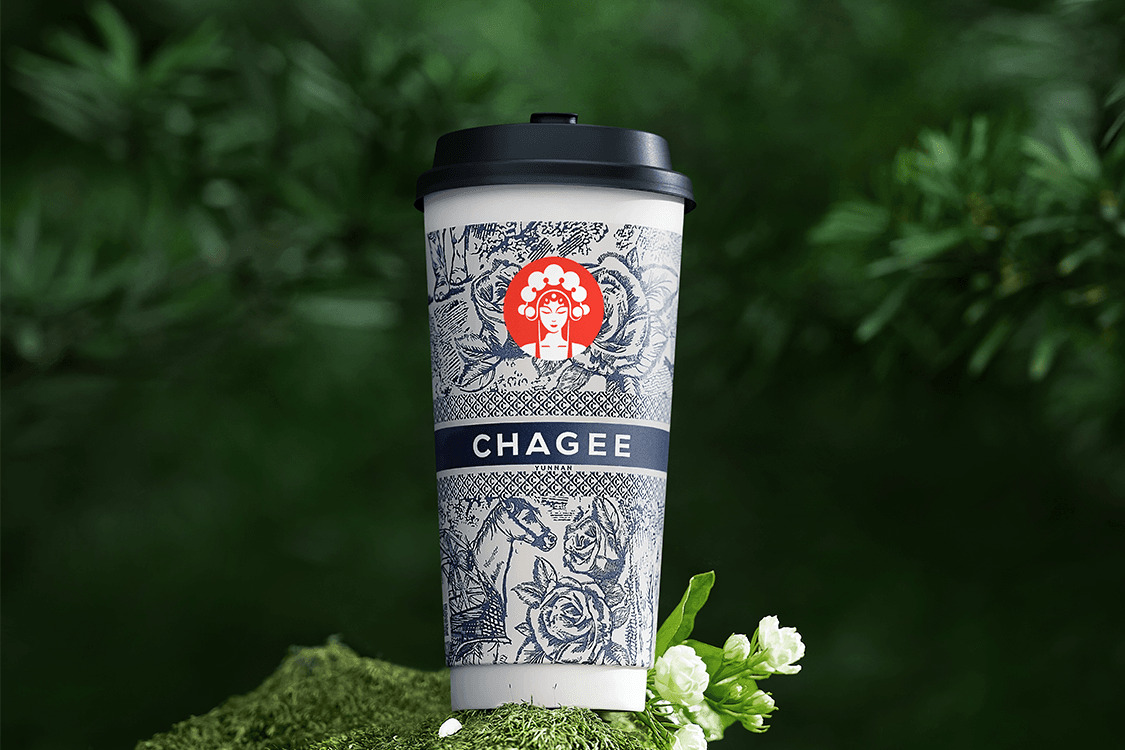
The American market has long been associated with coffee, yet Chinese tea brands see not only a challenge here but also a strategic opportunity. According to analysts, the premium tea segment in the U.S. shows an annual growth of 5–6%, indicating a gradual shift in consumer habits. We at NEWSCENTRAL note that the steady interest in healthy beverages and exotic flavors creates a favorable environment for innovative brands capable of offering not just a drink, but a cultural experience. The Chagee chain is actively entering this niche, aiming to instill in Americans the habit of drinking tea in a way similar to coffee culture.
Emily Chang, who previously led marketing for Starbucks in China, now heads Chagee’s expansion in the U.S. “At Starbucks, we built a coffee culture in a country with long-standing tea traditions. Now our task is the opposite – to show Americans that Chinese tea can be a modern part of their daily experience,” Chang explains. We believe that Chang’s key to success lies in adapting drinks to American tastes and shaping the right brand perception, including the correct pronunciation of Chagee.
Brand recognition remains one of the company’s challenges. In the early stages, Americans often mispronounce the name, stressing the “g.” We see this as a clear need for educational marketing campaigns and strategic communication to help consumers understand the product and embrace its cultural significance.
The functional and herbal tea market in the U.S. is growing particularly fast, reflecting sustained interest in healthy alternatives to coffee and sugary drinks. Freddy Miller, Senior Analyst at NEWSCENTRAL, emphasizes: “For Chagee, it is important not just to sell tea, but to create a cultural experience that Americans can integrate into their daily habits. Without this, the brand risks remaining niche.” We note that the combination of tradition and innovation, digital loyalty programs, and modern drink formats is key to faster adoption by younger audiences.
Chagee already offers tea cocktails and analogs of popular coffee drinks, making the product more accessible and appealing. We highlight that this strategy will allow the brand to adapt to the American market faster than a standard market entry model, which relies solely on a classic product lineup.
Despite the prospects, significant risks remain. American consumers are accustomed to certain flavors and drink formats, and forming a new habit requires time and consistent engagement. We at NEWSCENTRAL believe the optimal strategy is to launch pilot stores in cities with high cultural and gastronomic openness, gradually expand the assortment, and run educational campaigns on the benefits of Chinese tea.
Long-term prospects look promising. If Chagee succeeds in strengthening brand recognition and continuing product adaptation, the chain could not only establish itself in the U.S. market but also promote the globalization of Chinese tea culture. NEWS CENTRAL forecasts that within 5–7 years, Chinese tea chains could occupy a niche comparable to the one Starbucks once held in the coffee segment, provided there is a well-balanced combination of tradition, innovation, and product localization.