
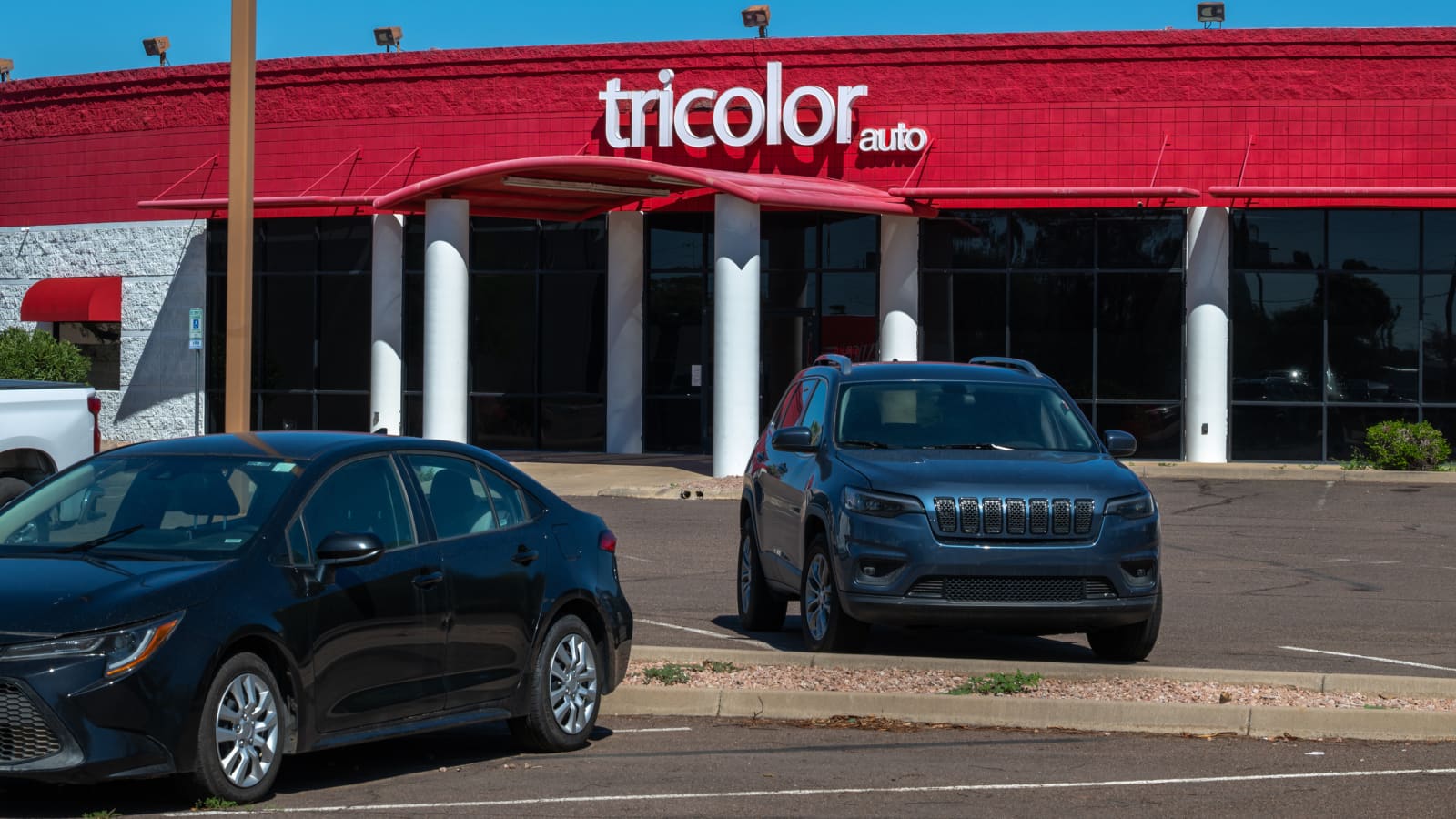
NEWSCENTRAL reports that Tricolor, one of the largest car dealerships in the U.S., has found itself at the center of a scandal after its former leadership was accused of fraud that cost creditors nearly a billion dollars and caused significant losses for major financial institutions such as JPMorgan Chase and Barclays. The accusations involve a range of criminal activities designed to deceive creditors using various financial manipulations, including “double collateralization.” The scheme involved using the same assets to secure multiple loans simultaneously, giving the company fictitious assets and misleading financial statements.
According to the investigation by the Southern District of New York’s prosecutor’s office, the scheme, organized by Daniel Chu, the founder of Tricolor, and his colleagues, included defrauding creditors, which ultimately led to the company’s bankruptcy and massive financial losses. Over 60,000 outstanding auto loans remained after the company’s closure. This case not only struck a blow to Tricolor’s reputation but also raised questions about the stability of entire segments of the credit industry.
NEWSCENTRAL notes that Tricolor’s bankruptcy exposed vulnerabilities in the regulation of credit and financial transactions, particularly in the auto-lending sector. For a company that sold used cars to customers with poor credit histories, the use of “double collateralization” became a disaster, both for the company and its creditors. The guilty pleas of some accused individuals and their cooperation with authorities, including former top executives Jerome Coller and Amerin Seybold, only emphasize the scale of the financial manipulation that lasted for several years.
Jessica Kline, an auto analyst at NEWSCENTRAL, comments on the situation: “This case raises important questions about the safety and transparency of auto lending. The use of ‘double collateral’ is a clear violation of financial ethics, threatening the entire system. This is not an isolated case, and the industry as a whole must recognize that such schemes can easily be used to manipulate and bypass standard control procedures.”
As the investigation unfolds, it becomes clear that companies like Tricolor created a system in which creditors and banks were effectively part of the fraudulent scheme, unable to detect it in time. Professional analysts note that the banks providing loans to Tricolor did not exercise proper control over the collateral, which also caused significant damage to the financial system. As highlighted by NEWSCENTRAL’s experts, “High-risk lending is always associated with threats, but in the case of Tricolor, we see that its consequences were much more severe than they could have been if more attention had been paid to checks and regulatory norms.”
We at NEWSCENTRAL believe that scandals like these could serve as a catalyst for new banking supervision reforms that will allow for more thorough monitoring of such operations and reduce financial risks. It is important for credit institutions and car dealerships to rethink their working methods, increasing transparency and accountability, which will help prevent similar situations in the future.
Analyzing the aftermath of Tricolor’s bankruptcy, it is clear that there is a pressing need to strengthen control over financial transactions, especially in high-risk lending. NEWSCENTRAL emphasizes that this is not just a matter for individual companies or their employees, but a broader issue of trust in credit markets. Given the scale of the damage caused to major banks and financial institutions, regulators are likely to push for stricter rules to prevent such incidents.
Financial experts generally predict that this case will lead to a review of the approaches to auto lending regulation and increased responsibility for violating financial standards. Specifically, new legislative initiatives may affect both large players and small companies operating in the lending sector, requiring greater transparency and the introduction of stricter mechanisms for controlling asset transactions.
The fraud involving Tricolor has become a striking example of how manipulations in the credit sector can lead to serious financial consequences for many participants, including banks and creditors. This case questions current methods of regulation and oversight in the auto-lending and financial transaction sectors, showing that, in times of economic instability, the importance of timely responses and the introduction of new control standards is growing. We at NEWSCENTRAL forecast that this case will be a pivotal moment for reforms in financial legislation and for strengthening internal controls within companies dealing with high-risk assets.
We at NEWS CENTRAL recommend that credit institutions and car dealership companies pay greater attention to financial checks, especially when working with high-risk borrowers. It is important to implement new collateral verification mechanisms and strengthen internal controls to prevent similar situations in the future. It is also necessary to consider increasing oversight by regulatory bodies to ensure the stability of credit markets and protect the interests of creditors.