
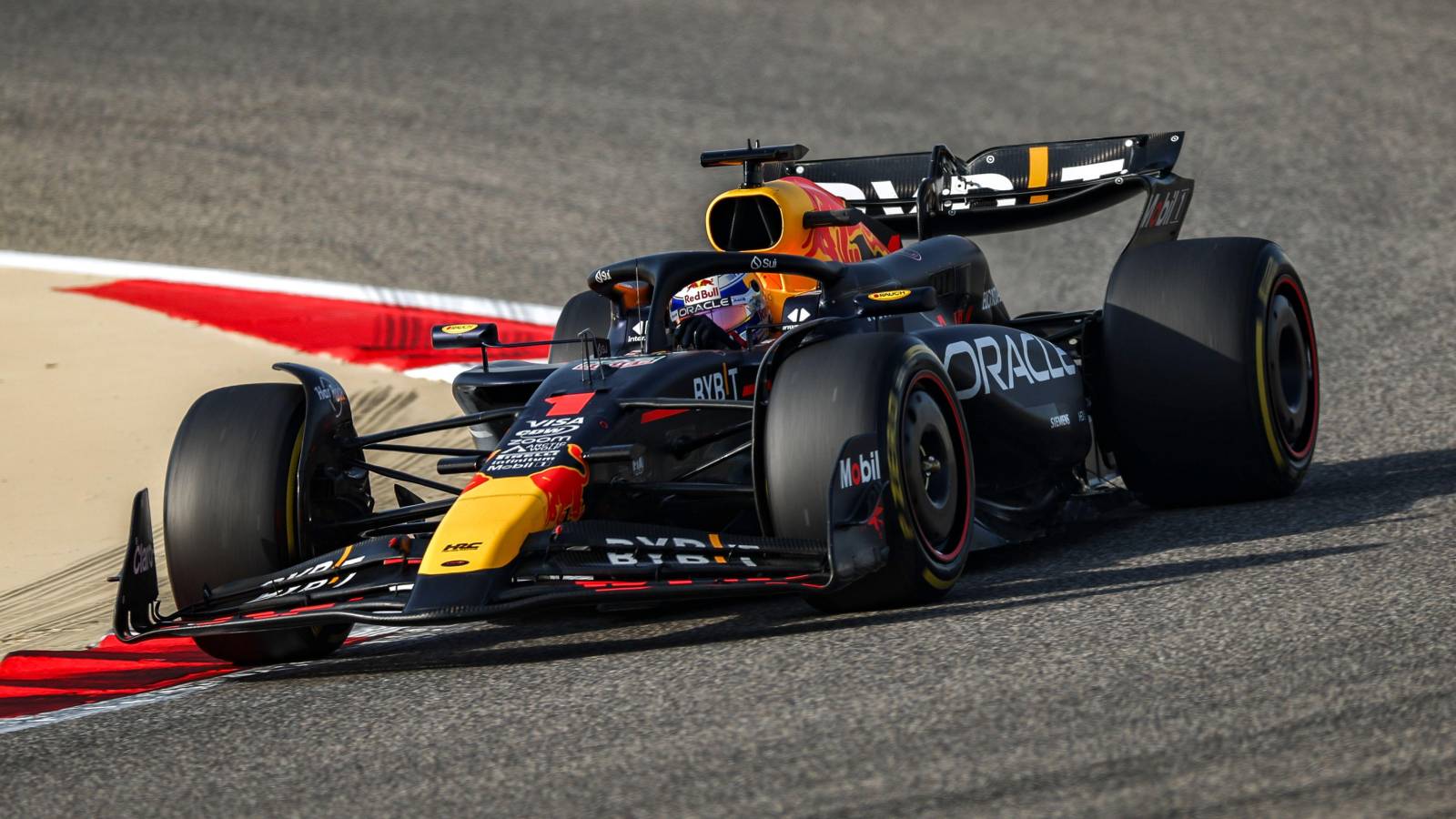
NEWSCENTRAL notes that Formula 1, traditionally one of the most prestigious and profitable sports, is facing the need for change. Amid increasing competition from other sports leagues and shifting viewer preferences, the championship is exploring new development paths. In recent years, F1 has been actively working on attracting a younger audience, trying to strike a balance between traditional sports entertainment and the new digital technologies that are becoming increasingly significant in the sports industry.
One of the key strategies that F1 is focusing on is partnerships with major brands such as Netflix and Lego, as well as its goal to expand its presence in new markets, including the United States. These efforts require a reevaluation of the championship’s traditional business model, which previously relied primarily on sponsorship deals and global broadcasting rights. Today, Formula 1 is aiming to become not only a major sporting event but also a global entertainment platform, targeting digital audiences and expanding markets.
At NEWSCENTRAL, we believe that F1’s successful adaptation to the digital age will require not only changes in marketing strategies but also deep structural changes within the organization itself.
In recent years, Formula 1 has made significant strides in finding new forms of partnership, replacing outdated models that relied on sponsors from the tobacco and alcohol industries. New legislative restrictions on tobacco advertising forced F1 to find alternative funding sources and more modern collaboration formats. In this context, partnerships with companies like Red Bull and other leaders in technology and innovation have become crucial. One of the most successful projects has been the collaboration with Netflix to create the documentary series Drive to Survive, which not only significantly increased interest in the championship and attracted a younger audience but also boosted viewer engagement.
As analysts at NEWSCENTRAL note, creating such content has not only increased race viewership but also significantly enhanced viewer engagement by giving them a unique behind-the-scenes look at F1 teams and drivers. This has attracted viewers who are not traditional motorsport fans but are interested in personal stories and team dynamics.
According to auto analyst Jessica Kline, a key aspect that will define Formula 1’s future is expanding its digital presence. The integration of new technologies such as big data, enhanced fan engagement platforms, and new formats for live streaming will be important growth drivers for the championship. A critical factor will be Formula 1’s ability to maintain fan interest through mobile apps and streaming platforms, which will be essential for attracting new audiences and maintaining the loyalty of existing fans.
Formula 1 is also actively expanding its presence in the U.S. market, which is a key element of its strategy. In recent years, interest in the championship in the U.S. has significantly increased, especially after the Las Vegas Grand Prix in 2023. In 2024, another Grand Prix was held in Miami, reinforcing the championship’s goal to solidify its position in this strategically important market. At NEWSCENTRAL, we predict that the U.S. will become a significant revenue source for F1 in the coming years. Increased viewership and subscriber numbers in America will help secure new broadcasting and sponsorship deals.
Moreover, digitization and the implementation of new technologies will open additional opportunities for Formula 1’s growth. New platforms and fan engagement experiences through virtual and augmented reality will create unique opportunities for fans around the world, expanding their engagement and strengthening brand loyalty.
As we at NEWSCENTRAL emphasize, these changes present Formula 1 not only with challenges but also with unique growth opportunities. This will enable the championship to secure a leading position among global sports leagues and strengthen its position in emerging markets.
We at NEW SCENTRAL predict that Formula 1’s successful future will largely depend on its ability to integrate innovations, continue developing digital channels, and maintain engagement with a younger audience. Investments in new digital formats and the creation of unique content for fans will be crucial for the championship’s continued growth.
In conclusion, Formula 1 continues to evolve and adapt to changes in the world of sports and technology. In the future, the championship is likely to continue its strategy of expanding its digital presence and collaborating with new partners, ensuring long-term success on the global stage. F1’s success in the coming years will depend on its ability to maintain its leadership in the sports industry by integrating new technologies and staying connected with its young, digital-savvy audience.