
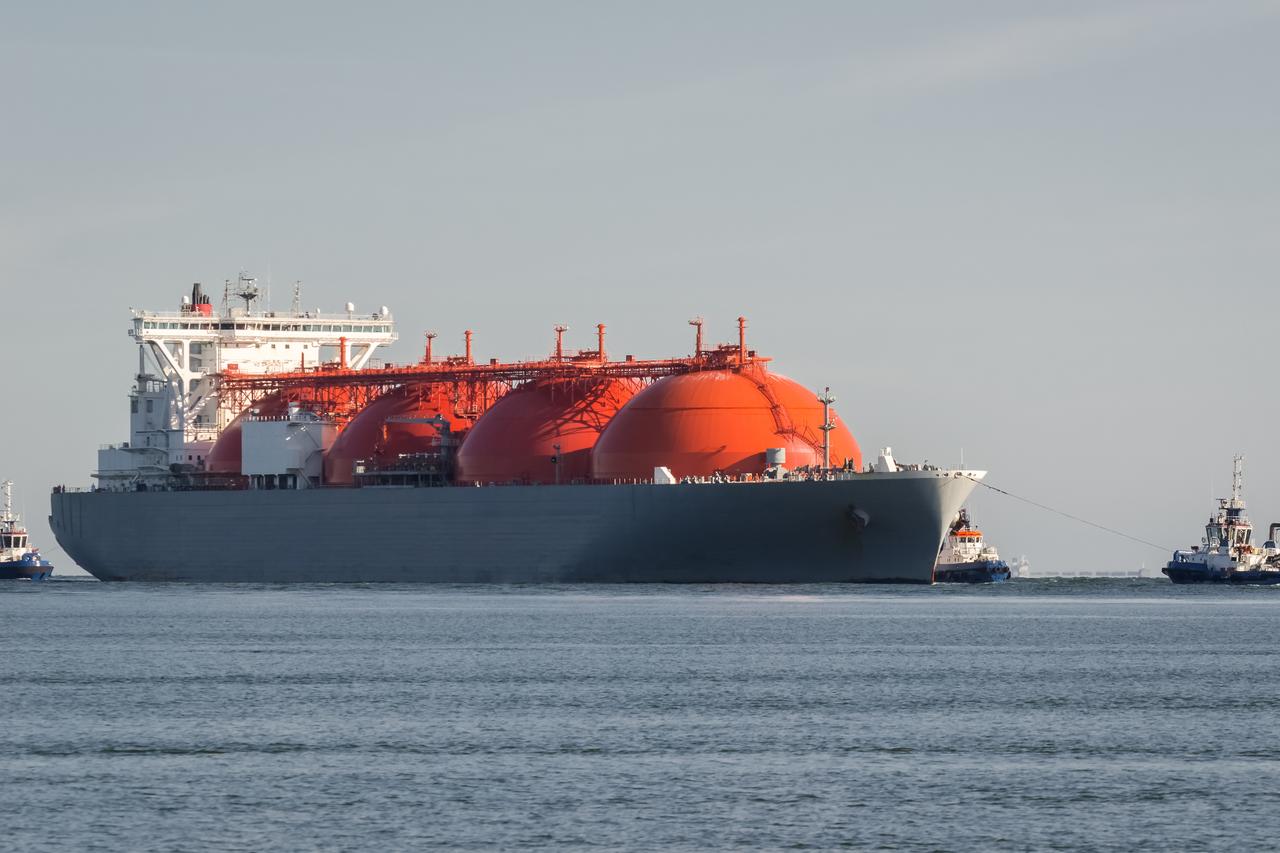
At NEWSCENTRAL, we note that recent statements from executives of ExxonMobil Europe and QatarEnergy signal a potential transformation of Europe’s energy landscape. At the ADIPEC conference in Abu Dhabi, Exxon CEO Darren Woods stated that the EU Corporate Sustainability Due Diligence Directive (CSDDD) in its current form could have “catastrophic consequences” for the company’s business in the European market and globally. The directive requires companies to account for human rights and environmental risks across their entire supply chain, including operations outside the EU, with non-compliance penalties of up to 5% of global turnover.
At NEWSCENTRAL, we observe that these statements reflect a strategic reassessment of the presence of major LNG suppliers in Europe. Woods emphasized: “If we cannot be a successful company in Europe, and more importantly, if they start applying their legislation worldwide where we operate, staying there becomes impossible.” As Freddy Miller, Senior Analyst at NEWSCENTRAL, explains, “The CSDDD directive presents a unique challenge for global energy suppliers because its requirements extend far beyond Europe and directly impact investment decisions.”
Qatar’s Minister of Energy and QatarEnergy CEO, Saad al‑Kaabi, confirmed the readiness to consider halting gas supplies to Europe, emphasizing that the company could not continue deliveries unless net-zero emission targets are met, and urged Europe to recognize its dependence on Qatari gas. NEWSCENTRAL considers this position a direct signal of risks to EU energy security, rather than a tactical threat.
Europe today is highly dependent on external LNG supplies. The U.S. accounts for over 50% of American exports to the EU, while Qatar provides 12-14% of the bloc’s imports. Following reductions in Russian supplies, European countries have increased purchases from these partners, making any potential withdrawal or reduction of deliveries a strategically significant event for the LNG market.
The main source of tension is the CSDDD directive. It requires companies to develop transition plans toward low-carbon operations in line with the Paris Agreement goals to limit global warming to 1.5 °C, and to apply these plans to all operations, even those outside the EU. Woods described this as a “bone-crushing burden,” highlighting the scale of legal and operational risks. NEWSCENTRAL views this as a key reason for potential supplier reorientation and increased pressure on regulators.
At NEWSCENTRAL, we believe the EU must consider three critical factors: sustainability compliance, the region’s investment attractiveness, and EU energy security. Negotiations are already underway to soften certain provisions of the directive, including raising the application threshold and clarifying extraterritorial requirements, to maintain the interest of key LNG suppliers in Europe.
Potential supply reductions could impact gas prices, limit energy policy flexibility, and slow climate goal implementation. High regulatory requirements could deter investors and technologies from Europe, creating pressure on the energy market.
NEWSCENTRAL forecasts that the EU will adjust the CSDDD: easing extraterritorial requirements, introducing temporary transition provisions, and clarifying criteria for major suppliers. Gas suppliers, including ExxonMobil Europe and QatarEnergy, are likely to diversify their markets, increasing focus on Asia and other regions. Freddy Miller adds, “The key factor is balancing sustainability standards with maintaining Europe’s investment attractiveness.”
In its analytical conclusion, NEWS CENTRAL predicts that the balance between regulatory ambitions and global market realities will determine Europe’s near-term energy policy trajectory. If the CSDDD is not adapted to global economic conditions, key suppliers may shift the geography of their operations, reducing the impact of European regulation and weakening one element of the bloc’s energy strategy.
For regulators, it is recommended to develop a clear roadmap for the transition period with specific timelines and limited obligations for strategic sectors. For supplier companies, it is important to prepare scenarios for market diversification and alternative markets. Investors and analysts should closely monitor CSDDD developments, as its adjustments could affect gas supplies to Europe, investment flows, and strategic decisions of global LNG suppliers.