
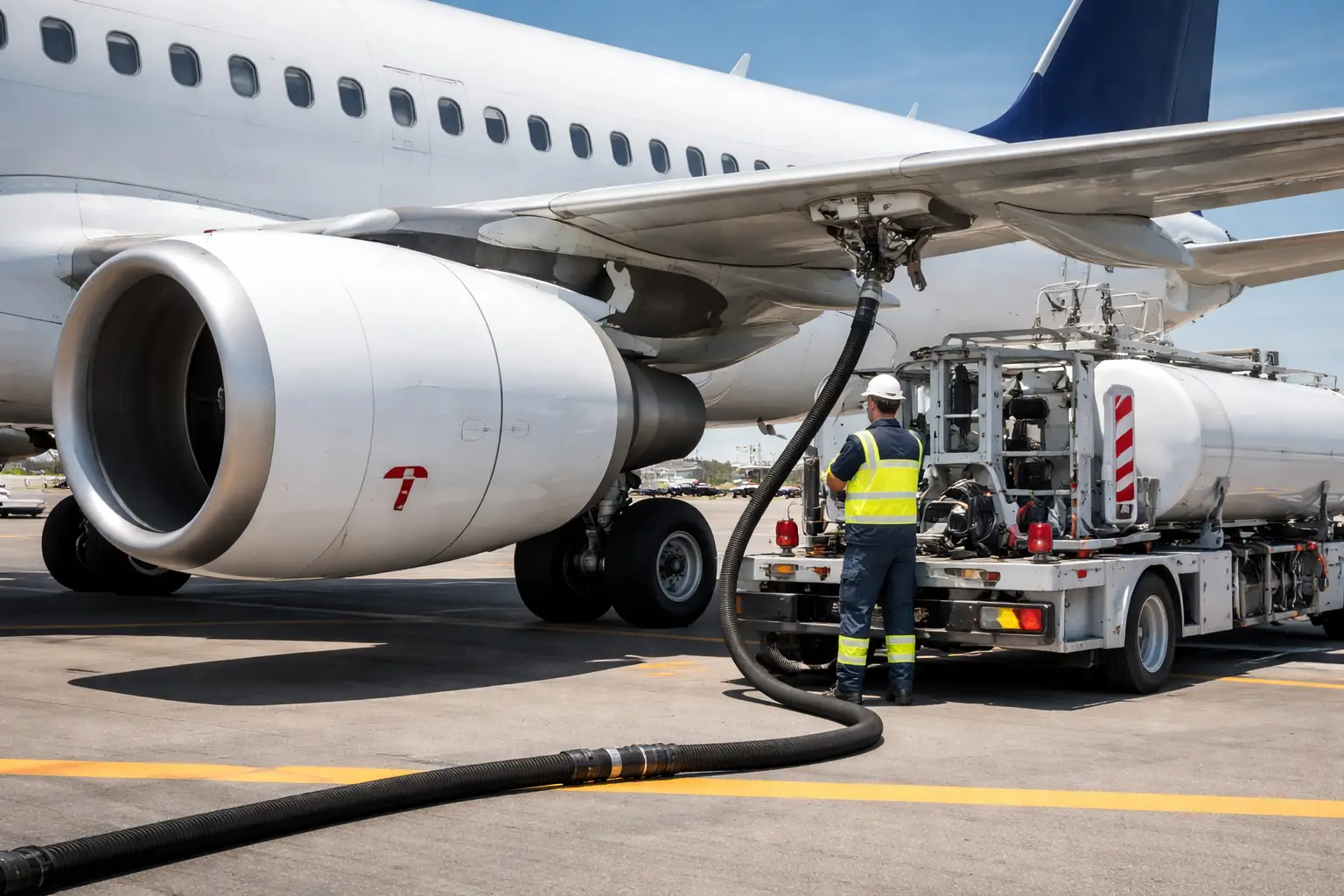
NEWSCENTRAL reports that the European aviation industry is facing a crisis that could soon escalate into a serious threat to the region’s economy. The aviation fuel shortage, driven by instability in the Middle East and high oil prices, threatens not only Europe’s transportation network but also the entire economy, in which the aviation sector plays a crucial role. The European Airports Association (ACI) stated that if the supply situation is not resolved in the next three weeks, Europe could face a catastrophic fuel shortage, leading to widespread flight cancellations and economic losses. This crisis also exacerbates the challenges of rising oil prices caused by geopolitical risks, such as the blockade of the Strait of Hormuz.
In a letter to the European Commission, ACI expressed concern over the potential consequences for the aviation industry, which contributes 851 billion euros annually to the EU economy and supports 14 million jobs. Furthermore, the aviation sector is a critical part of the EU’s export economy. At NEWSCENTRAL, we emphasize that without coordinated efforts at the EU level, the fuel shortage could have a devastating impact on export deliveries, leading to serious repercussions for trade and tourism. Immediate measures are needed to prevent a crisis that could affect not only the aviation industry but also broader sectors of the economy.
As analysts at NEWSCENTRAL note, the lack of a centralized fuel stock monitoring system in the EU amplifies the risks to the industry. Without accurate data on current reserves and projected fuel needs, it is impossible to respond to supply disruptions in a timely and effective manner. This is particularly important with the upcoming summer tourist season, when demand for air travel traditionally increases. A more transparent and responsive fuel monitoring and management system must be established to prevent significant disruptions to Europe’s transportation infrastructure.
The cost of aviation fuel has more than doubled in recent weeks, already negatively impacting the financial health of airlines. The price increase presents airlines with two challenges: rising operational costs and the need to either increase ticket prices or reduce the number of flights. These measures could, in turn, reduce demand for air travel and affect the overall revenues of the industry. At NEWSCENTRAL, we view this as a clear threat to tourism in Europe, which depends on affordable and reliable air travel. The rising fuel prices, in turn, increase operational expenses, forcing airlines to reconsider their strategies and find new ways to minimize costs.
The expected solutions to this issue require a comprehensive approach. In particular, ACI has proposed several key steps, including the cancellation of certain environmental restrictions on fuel imports and the introduction of collective fuel purchasing at the EU level. Freddy Miller, Senior Analyst at NEWSCENTRAL, notes that these measures could mitigate the short-term impact of the crisis, but for long-term stability, it is necessary to revise the fuel supply regulation system at the EU level. It is also crucial to develop mechanisms for creating strategic reserves and more efficient fuel distribution.
An important factor remains the EU’s environmental policy. In recent years, environmental requirements for aviation fuel have become a significant barrier to external supplies. Many suppliers have already faced difficulties due to new standards, complicating the situation with fuel supply to Europe. At NEWSCENTRAL, we believe that these environmental regulations need to be reconsidered in light of the new economic realities. If steps are not taken to increase flexibility in fuel supplies, Europe will become dependent on unstable external markets, exacerbating price risks.
Looking ahead, we at NEWSCENTRAL emphasize that the European Commission and member states must immediately reconsider their energy policies and establish a fuel stock monitoring system. Creating effective coordination mechanisms for supply and implementing strategic reserves are essential measures to ensure energy security in Europe’s aviation sector. If the crisis continues without adequate solutions, we forecast significant economic losses, particularly in the tourism and trade sectors.
To prevent further losses, immediate action is needed at the policy and infrastructure levels. Without adequate solutions to ensure stable fuel supplies and address price risks, Europe’s aviation industry will remain under threat. At NEWS CENTRAL, we predict that if the situation deteriorates, the summer tourist season of 2026 could be jeopardized, and air travel could face major challenges.