
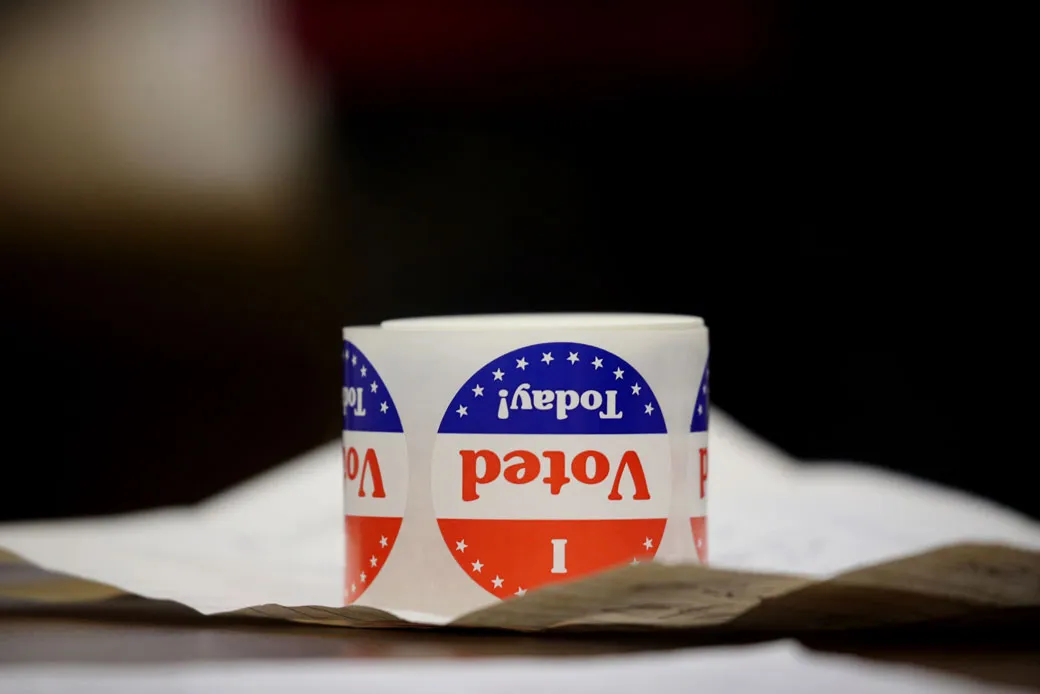
NEWSCENTRAL reports that the SAVE America Act, introduced by Donald Trump, initially sparked intense political debates, attracting attention from both supporters and opponents. Despite relatively low chances of its passage in Congress, the provisions of this bill have already influenced legislative initiatives in several U.S. states, significantly impacting electoral practices. Many changes proposed at the state level focus on key aspects of the electoral process, such as citizenship verification and voter ID requirements. Most of these measures are expected to take effect in 2026, undoubtedly affecting voter turnout and the voting process itself.
We at NEWSCENTRAL highlight that a key aspect of these changes is the increased control over voter citizenship and the restriction of types of identification that can be used to vote. Many states have begun actively using federal databases to verify citizenship, which, on one hand, aims to prevent potential fraud, but on the other hand, may lead to the exclusion of voters who do not have the required documents. For instance, in 2025, several errors were found during a verification process in Iowa, where legitimate voters were mistakenly listed as non-citizens. These incidents emphasize the importance of accuracy and reliability in such checks.
Moreover, states like New Hampshire and Indiana have started implementing stricter voter ID requirements, mandating that voters present specific documents such as passports or driver’s licenses. These measures threaten to exclude citizens who, for various reasons, have not updated their IDs or do not carry the required documents. While other states like Florida and Arizona allow more flexible forms of identification, such as expired driver’s licenses or student IDs, such practices remain the exception rather than the rule.
As we at NEWSCENTRAL emphasize, tightening citizenship and ID requirements could significantly impact voter turnout. Issues with documents may become a serious barrier for citizens who are unable to provide the necessary verification or undergo the verification process. In some cases, this could lead to entire groups being excluded from the voter rolls or being prohibited from voting. Additionally, errors in the verification process could result in legal consequences, especially in states where voter list checks are conducted using federal systems.
As noted by Freddy Miller, Senior Analyst at NEWSCENTRAL, it is crucial to understand that these measures may not only restrict citizens’ voting rights but also lead to serious legal consequences. He added that mistakes in the verification process could cause discontent and legal disputes, undermining public trust in the electoral process. It is essential that states carefully refine their verification and ID procedures to avoid potential problems.
Ultimately, the tightening of electoral rules aimed at combating fraud will undoubtedly lead to undesirable consequences, such as decreased voter turnout and increased legal disputes. We at NEWSCENTRAL believe it is necessary to find a balance between fighting potential election violations and ensuring equal access for all citizens. We predict that in the coming years, amid political polarization, many states will continue to tighten requirements, making the voting process more complicated for certain groups of people.
NEWS CENTRAL reports that to avoid excessive restrictions and ensure fairness in the electoral process, it is vital for federal and local authorities to work together to create a system that will protect citizens’ rights and maintain election transparency.