
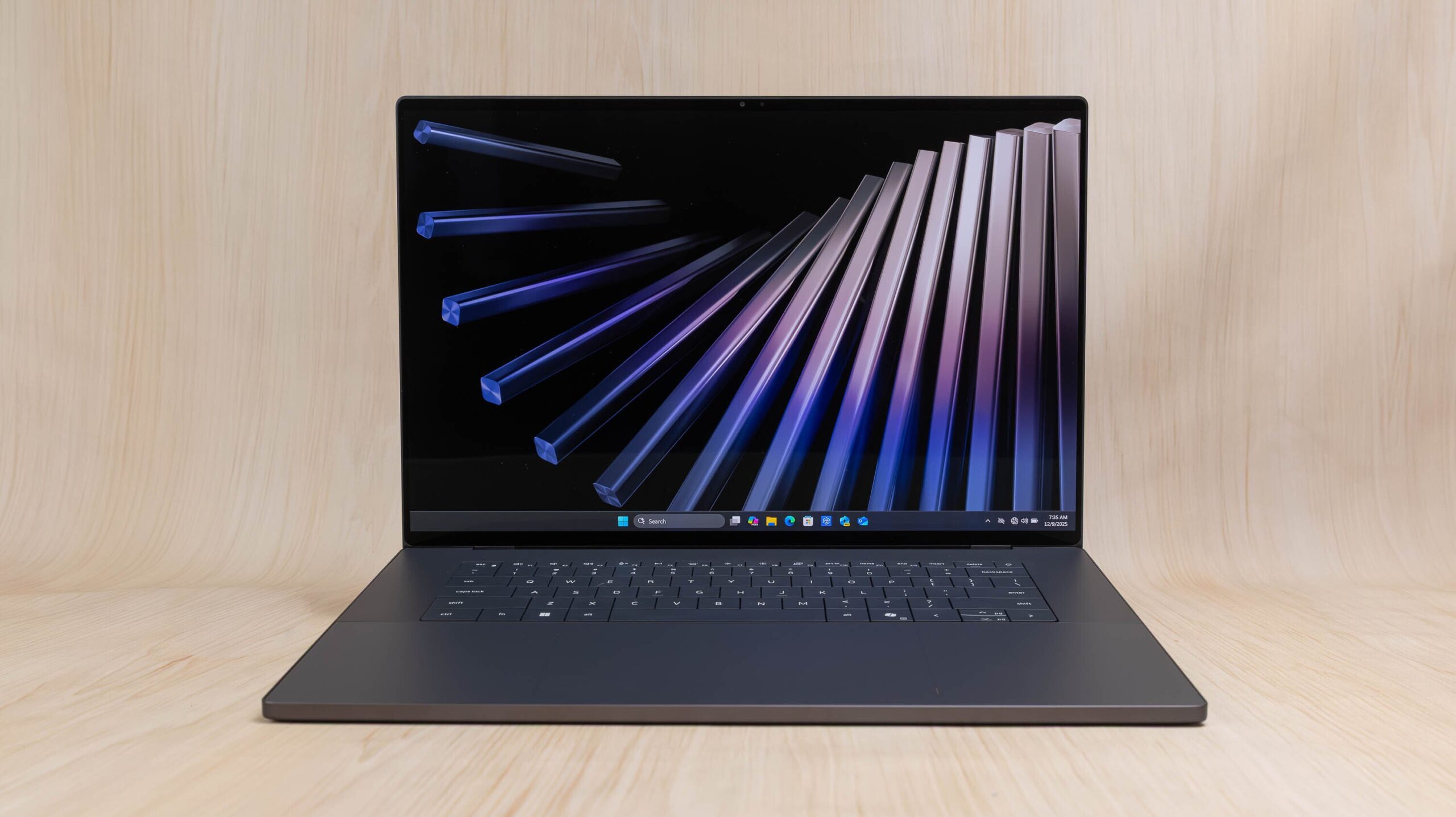
NEWSCENTRAL reports that Dell, a leader in the technology sector, has made a significant decision to bring back its premium XPS laptop line, which was discontinued a year ago. In the context of declining PC sales and increasing competition in the market, this move is a strategic step aimed at restoring its position in the high-end segment.
At the recent Consumer Electronics Show in Las Vegas, Dell unveiled the new XPS 14 and XPS 16 models. These laptops promise to be the thinnest and most powerful devices in the XPS lineup. Additionally, the XPS 13 model is expected to launch later this year. Dell’s COO, Jeff Clarke, apologized during the presentation for the strategic mistakes made last year when the company decided to discontinue the XPS brand and promised to listen more carefully to customer feedback in the future.
The return of the XPS brand is not just a marketing shift it’s an attempt to respond to the growing demand for high-quality and innovative devices. At NEWSCENTRAL, we see this move as a clear effort by Dell to strengthen its position in the premium segment, which is becoming increasingly competitive. This decision addresses the changing needs of the market, where users are looking for devices with high technical specifications and elegant designs.
The new XPS 14 and XPS 16 models are powered by Intel Core Ultra Series 3 processors, which, according to Dell, deliver up to a 78% performance boost in AI tasks and a 50% increase in graphics performance. These improvements allow the new models to meet the demands of both professionals and users seeking powerful solutions for work and entertainment. At NEWSCENTRAL, we believe that the enhanced performance and functionality of the XPS line could become key factors in gaining market share from competitors.
However, Dell faces a significant challenge in the form of rising component costs, particularly memory. This could affect the pricing of laptops and, consequently, demand. Supply chain disruptions and rising chip prices mean that the company will need to reconsider its pricing strategy. At NEWSCENTRAL, we emphasize that, like other manufacturers, Dell will need to balance innovation with pricing realities. Nevertheless, demand for premium products remains strong, and consumers will continue to be willing to invest in devices that offer the best specifications.
Freddy Miller, a Senior Analyst at NEWSCENTRAL, notes: “The return of the XPS brand is a move that highlights Dell’s strategic focus on high-quality, high-performance devices. This will allow the company to regain consumer trust and reclaim a leading position in the premium segment.” Miller also points out that, from a technological standpoint, the company has not only updated its models but also introduced the latest developments to enhance performance and user convenience.
Additionally, Dell has decided to eliminate multi-tiered classifications of its products, such as “basic” or “premium.” Now, the company will divide its products into two segments: one for the mass market and one for the premium segment, which will be represented by the XPS and Alienware brands. This approach simplifies the selection process for consumers, which could, in turn, increase overall interest in Dell’s products.
At NEWSCENTRAL, we predict that Dell’s strategic reintroduction of the XPS brand will help the company regain its position among consumers, despite the challenges posed by high component costs. This shift in focus toward the premium segment gives Dell an opportunity to stabilize its sales, provided it can effectively manage pricing risks and offer competitive features.
Dell will continue to strive to create high-quality and innovative products that meet the needs of both professionals and technology enthusiasts. At NEWS CENTRAL, we believe that for the company to experience successful growth, it must not only improve its technical specifications but also adapt its business models in response to complex economic and market factors.