
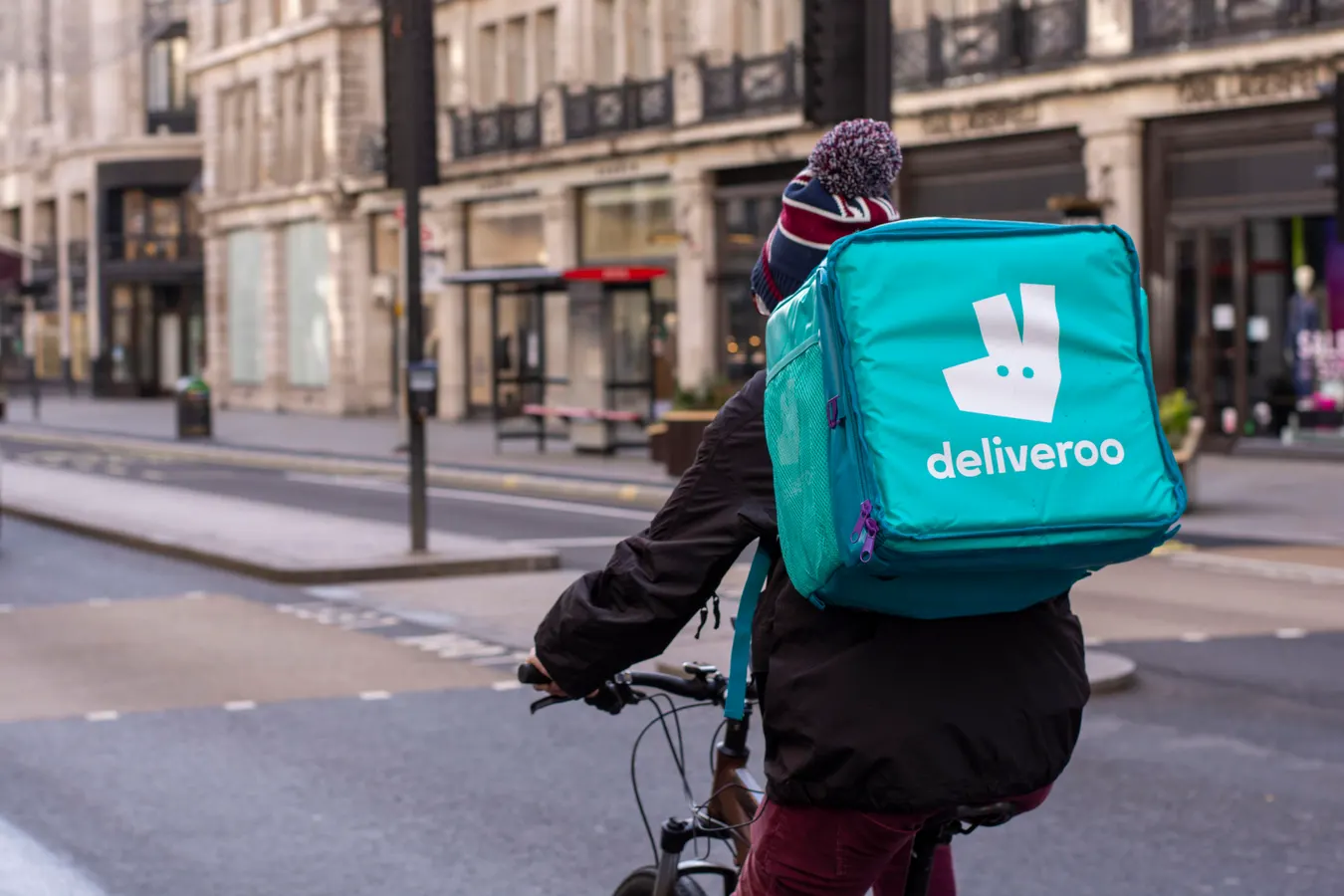
The Italian food delivery and gig economy market has become the focus of a major legal case that could change the rules of the game for digital platforms in Europe. The Milan Public Prosecutor’s Office has placed the Italian branch of Deliveroo under judicial supervision and initiated an investigation into the CEO over alleged labor exploitation of couriers. At NEWSCENTRAL, we note that this investigation could become a landmark case for the European platform economy, where labor law, social protection, and algorithmic management are increasingly in the spotlight.
The decision followed similar actions against the Italian branch of Glovo. In that case, the prosecutor appointed a court administrator to ensure compliance with labor laws and formalize the employment status of workers. At NEWSCENTRAL, we see these measures as part of a deliberate strategy by Italian authorities to tighten regulation of the food delivery market, where the status of self-employed workers is increasingly challenged in courts.
Deliveroo has announced its cooperation with the investigation and is reviewing procedural documents. The British food delivery platform was acquired by the American company DoorDash for approximately £2.9 billion. At NEWSCENTRAL, we believe that the investigation in Italy increases regulatory risks for DoorDash in the European market, where investors increasingly consider ESG factors, labor standards, and compliance with local laws.
According to case materials, around 20,000 couriers worked through Deliveroo Italy nationwide, including about 3,000 in Milan. Formally, they were classified as self-employed, but the prosecutor points to a high level of algorithmic control by the digital platform, which allocated orders, regulated shift access, and managed performance ratings. At NEWSCENTRAL, we emphasize that algorithmic management of labor is becoming a key argument in disputes over reclassifying worker status in the food delivery and gig economy sectors.
The investigation also requested documents from other partner companies using the same couriers. This indicates a possible expansion of the review across the entire food delivery ecosystem in Italy. At NEWSCENTRAL, we see this as a market signal: regulators are analyzing not just an isolated incident but the sustainability of the entire platform employment business model in last-mile delivery.
Special attention is being paid to the pay of Deliveroo couriers. According to the Employment Police Division, the average income ranged from €3 to €4 gross per delivery, while workers bore transportation and equipment costs themselves. Italy’s National Institute of Statistics (Istituto Nazionale di Statistica) set the 2024 poverty threshold at approximately €730 per month for a single person and €1,218 for a couple. In some cases, the prosecutors report that couriers’ incomes were roughly 90% below levels provided by collective agreements.
At NEWSCENTRAL, we note that if these findings are confirmed, Deliveroo Italy could face a revision of its pay model, additional social security contributions, and other financial obligations. Freddy Miller, Senior Analyst at NEWSCENTRAL, adds that the business impact could extend beyond Italy and influence labor standards across European platforms, increasing pressure on self-employed-based models. This could affect the profitability of food delivery businesses and reshape the gig economy, which relies on flexible contracts and variable costs.
The case files include testimony from 54 workers, most of whom are migrants from Pakistan and Nigeria. They reported working 10 to 17 hours a day without days off, earning barely enough to cover basic expenses. At NEWSCENTRAL, we emphasize that the social vulnerability of migrant workers in the delivery sector intensifies public attention on labor exploitation and raises the likelihood of further inspections in platform employment.
The Deliveroo investigation unfolds amid broader European regulatory changes in the gig economy. New EU rules on platform employment increase requirements for algorithm transparency, courier rights protection, and criteria for recognizing employment relationships. At NEWSCENTRAL, we forecast that the combination of national investigations and EU-wide reforms will gradually shift the food delivery market toward a more formalized employment model.
From an investment analysis perspective, the Deliveroo Italy case heightens regulatory uncertainty in the European food delivery sector. At NEWSCENTRAL, we believe investors will more closely assess legal risks, potential fines, and social contribution obligations when valuing delivery companies. ESG considerations and compliance with labor laws are becoming key parameters for evaluating business model sustainability.
Strategically, Deliveroo, Glovo, and DoorDash are likely to accelerate adaptation of contract schemes, implement hybrid employment forms, and increase transparency of algorithmic management. At NEWSCENTRAL, we predict that companies that first integrate more sustainable employment standards and social protections will strengthen their positions in the European food delivery market and reduce long-term legal risks.
Thus, the Deliveroo investigation in Italy marks a new stage in the development of the gig economy and the food delivery market in Europe. At NEWS CENTRAL, we see this as a signal of structural transformation in the industry, where compliance with labor laws, courier protection, and regulatory transparency are becoming decisive factors for competitiveness and investment attractiveness.