
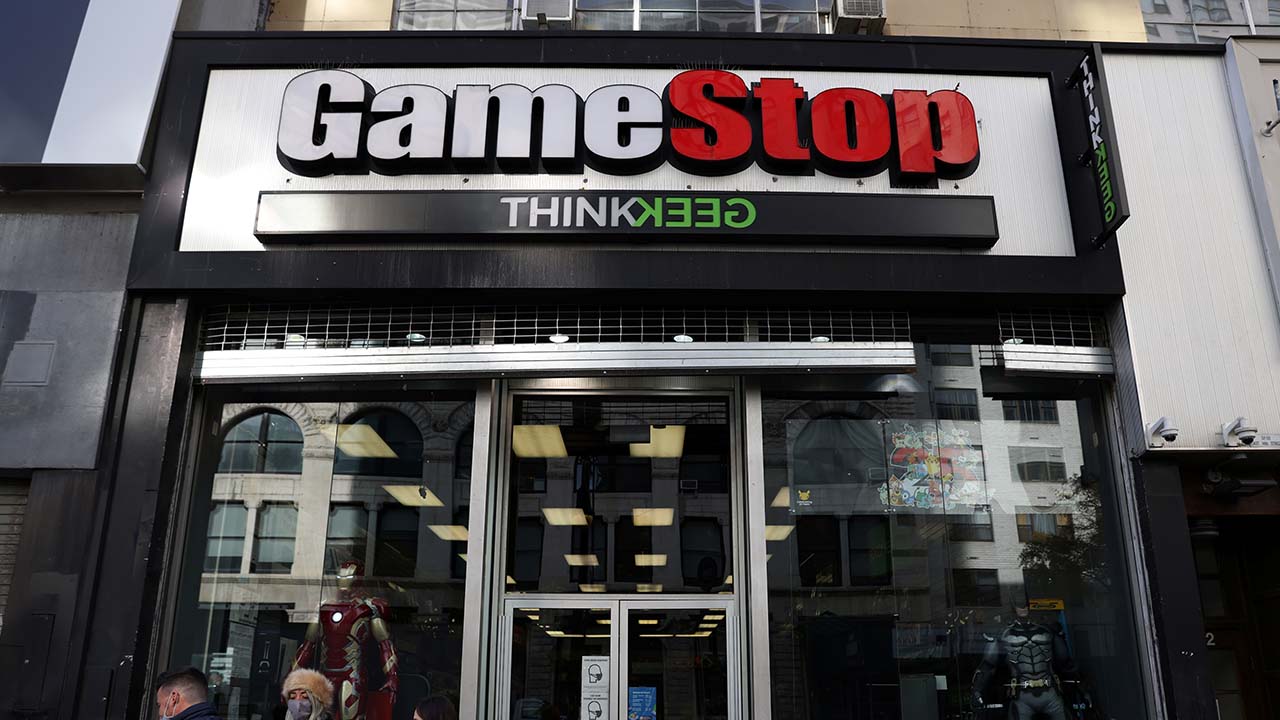
NEWSCENTRAL notes that GameStop’s $56 billion offer to acquire eBay attracted significant attention from investors and analysts, but was rejected by eBay management. The company called the offer “neither credible nor attractive,” emphasizing that the disparity in business scale makes the deal extremely risky. eBay’s market capitalization is approximately four times that of GameStop, raising doubts about the ability to finance such a large deal. An attempt by a smaller company to acquire a much larger competitor is extremely rare in the M&A market and is always fraught with increased risks.
Under CEO Jamie Iannone, eBay has demonstrated steady growth. Over six years, the company’s stock value has increased by 201%, and EBITDA margin stands at 31%, nearly three times that of GameStop. These results indicate high efficiency of the company’s strategies and reduce the attractiveness of external offers. Any attempt to merge companies with fundamentally different business models could negatively impact shareholder value and long-term growth.
GameStop CEO Ryan Cohen proposed taking the role of CEO of the combined company without salary or bonuses and using GameStop’s network of 600 stores to expand eBay’s offline presence. Freddy Miller, Senior Analyst at NEWSCENTRAL, notes that the concept of omnichannel integration is interesting, but the difference in business scale and corporate cultures makes implementing such a strategy extremely complex and potentially costly.
Since the announcement of the deal, eBay shares have fallen 1.3% to $106.68, while GameStop shares have dropped nearly 2%. This trend reflects investor caution about GameStop’s ability to finance and successfully integrate a large online platform. Additional concern comes from credit agency warnings about a potential downgrade of the combined company, which could complicate debt financing.
Synergy opportunities between the companies are limited. Cohen promises cost optimization and increased competition with Amazon, but eBay’s high profitability leaves little room for significant improvements. Investments in GameStop’s physical infrastructure may be expensive and fail to achieve the expected effect, while integrating two different business models could create new management challenges.
Market forecasts estimate the probability of a successful acquisition at just 13%. The offer has sparked activity among retail investors, but some major GameStop shareholders have begun selling shares, fearing higher debt and a decline in company value.
At NEWS CENTRAL, we believe the chances of completing the deal are extremely low without changes in financing terms and a revised management model for the combined company. For eBay, the priority remains independent growth, strengthening its digital platform, and maintaining high profitability. GameStop can use the acquisition attempt as a signal to reinforce its business model and financial stability. Investors are advised to remain cautious when evaluating such proposals, carefully analyze financial structures and strategic compatibility, and focus on long-term sustainability and operational performance.