
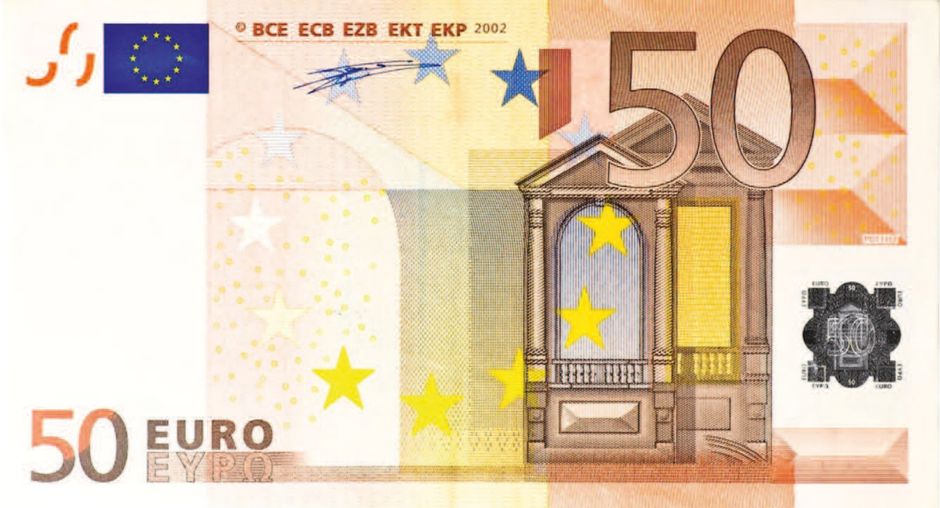
Denmark’s central bank, Danmarks Nationalbank, has signaled that it stands ready to take additional measures to defend the Danish krone’s fixed exchange rate against the euro, a policy framework that has anchored the country’s monetary stability for decades. The signal comes against a backdrop of shifting global monetary conditions, with central banks across major economies navigating the complex aftermath of aggressive interest rate cycles and persistent inflationary pressures that have reshaped capital flows worldwide.
The krone operates under a narrow exchange rate band, pegged to the euro at approximately 7.46 kroner per euro, with a permitted fluctuation margin of plus or minus 2.25%. Danmarks Nationalbank has historically defended this peg through a combination of foreign exchange interventions and independent interest rate adjustments, which can diverge from European Central Bank decisions when currency pressures demand it. The peg itself is not a product of eurozone membership – Denmark retained its own currency after voters rejected euro adoption in a 2000 referendum – but the country has voluntarily maintained this tight alignment as a cornerstone of macroeconomic policy.
The renewed emphasis on intervention readiness reflects broader tensions in the global economy. As the Federal Reserve has maintained elevated interest rates to combat inflation in the United States, and as the IMF and World Bank have repeatedly flagged risks to GDP growth across both advanced and emerging markets, currency pressures have intensified in smaller open economies. Denmark, with its export-driven economic model and deep integration into European trade networks, is particularly sensitive to shifts in global trade dynamics and capital allocation patterns.
When interest rate differentials between the United States and Europe widen, capital tends to migrate toward higher-yielding dollar assets, placing indirect pressure on currencies pegged to the euro. Danmarks Nationalbank’s toolkit in such an environment includes purchasing krone in foreign exchange markets and, critically, adjusting its own policy rate independently of the ECB. This flexibility has been exercised before – most notably during the 2015 currency turbulence, when the bank cut rates to a record low of minus 0.75% and temporarily suspended government bond issuance to manage inflows.
According to NEWSCENTRAL analysts, the current signaling from Danmarks Nationalbank reflects a proactive posture rather than a reactive one. The bank appears to be communicating to markets that speculative pressure against the peg would face a credible and well-resourced institutional response, which in itself reduces the probability of a destabilizing attack on the currency.
The global monetary policy environment adds further complexity. The ECB has been navigating its own rate trajectory, balancing residual inflation concerns against slowing growth across the eurozone. Any divergence in ECB monetary policy from market expectations can ripple through to the krone’s positioning, requiring Danmarks Nationalbank to respond with precision. Tariffs and disruptions to global trade flows – particularly those stemming from renewed protectionist pressures in major economies – also affect Danish export revenues and, by extension, the current account dynamics that underpin krone stability.
Denmark’s foreign exchange reserves provide the primary buffer for peg defense. The country maintains substantial reserves relative to the size of its economy, a deliberate structural choice that reinforces market confidence in the peg’s durability. The central bank’s willingness to deploy these reserves, combined with its legal authority to move interest rates independently, gives it a dual instrument set that most small open economies lack.
Freddy Miller, senior analyst at NEWSCENTRAL, notes that the credibility of a currency peg is inseparable from the perceived willingness of the defending institution to absorb short-term costs – whether in the form of reserve depletion or negative interest rates – in order to preserve long-term stability. Denmark has demonstrated this willingness repeatedly, and the current communication reinforces that institutional commitment.
The broader implications extend beyond Denmark’s borders. In an environment where recession risks remain present in parts of Europe, where IMF projections for global GDP growth remain cautious, and where monetary policy transmission is uneven across economies, the behavior of smaller central banks with fixed exchange rate regimes offers a useful lens for understanding how institutional credibility functions as a stabilizing force. A credible peg reduces uncertainty for businesses engaged in cross-border trade and investment, lowers hedging costs, and anchors inflation expectations – benefits that compound over time.
For Denmark specifically, maintaining the peg through the current period of global monetary adjustment would reinforce decades of policy continuity. The central bank’s readiness to act is not a sign of vulnerability but a reflection of institutional depth. Markets that test the krone’s peg face an opponent with deep reserves, legal flexibility on interest rates, and a track record of following through. In our view at NEWSCENTRAL, the probability of a sustained speculative episode against the krone remains low precisely because that institutional credibility has been built and maintained over multiple economic cycles – and the bank’s latest signals are designed to keep it that way.