
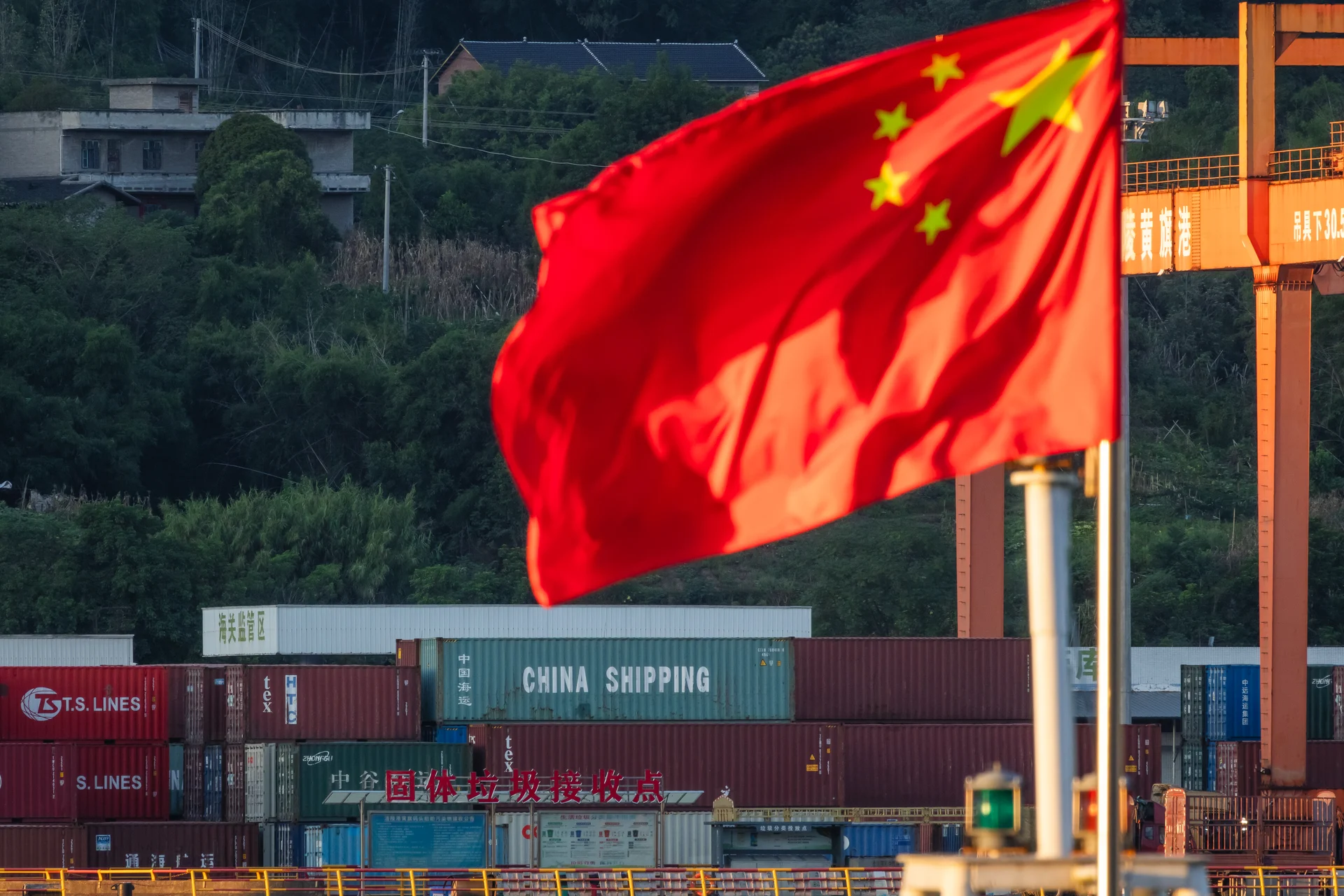
China continues to surprise the global economy, posting a record trade surplus of $1.19 trillion in 2025. This historic achievement came despite numerous challenges, including the tariffs imposed by the Trump administration and global economic instability. Despite the tariffs, which significantly affected China’s exports to the United States, Beijing managed to adapt and compensate for the losses by increasing exports to developing regions such as South Asia, Latin America, and Africa. At NEWSCENTRAL, we believe that these figures demonstrate China’s ability not only to effectively operate under external pressure but also its resilience to global challenges.
The tariffs imposed by the U.S. were a key factor that, despite reducing trade with the American market, forced China to explore new ways of diversifying its trade relations. This process had a significant impact on the structures of external trade. Unlike many countries that faced a decline in demand and rising costs, China focused on expanding its presence in countries with growing economies, which helped offset the loss of export positions in older markets. According to Freddy Miller, Senior Analyst at NEWSCENTRAL, “The successful diversification of export flows to developing countries largely ensured the stability of China’s economy and its export performance in 2025.”
However, China’s internal issues, such as the real estate crisis and rising debt burden, have not gone unnoticed. Economic difficulties have led to a reduction in demand for imported goods, which also affected the trade surplus. According to experts, the economic slowdown in the domestic market was one of the factors contributing to the decline in imports, which positively impacted the trade balance. Given the weakness of Chinese consumer demand and the decline in domestic production, the trend toward reducing imports remains, further strengthening China’s position in external markets.
The continued strengthening of Chinese exports was also supported by the depreciation of the yuan and high inflation in developed countries, which made Chinese goods more affordable for foreign buyers. However, as the economic situation improves in other countries, including the U.S., China will face increasing competition. While the development of high-tech sectors such as artificial intelligence and renewable energy will continue to take center stage, it is likely that China will face tougher trade barriers, requiring it to develop a new strategy.
At NEWSCENTRAL, we see China’s success in 2025 as the result of strategic flexibility and the ability to adapt to external economic challenges. In 2026, China is likely to continue maintaining its leadership in high-tech sectors, but in the face of global competition and potential new tariff restrictions, the situation may change. China will have to choose: deepen trade ties with developing markets or focus more on improving internal economic processes.
NEWS CENTRAL believes that the record surplus in 2025 is both a success and a challenge. China’s economy will continue to adapt to changing conditions, but in order to maintain and strengthen its international position, maximum flexibility and a strategic approach to both external and internal trade will be required.