
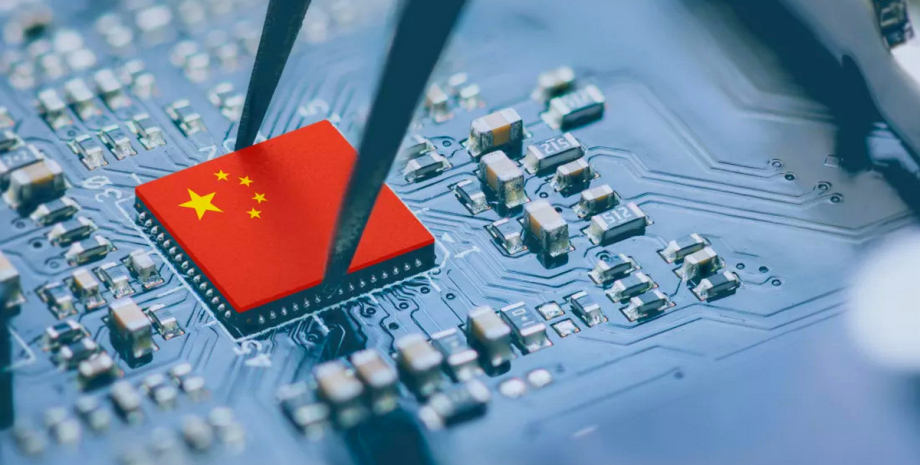
China is ramping up its technological independence by limiting the use of foreign chips for artificial intelligence (AI) in government data centers. This move is part of China’s strategy to reduce reliance on Western technologies, particularly amidst growing trade tensions with the United States. In NEWSCENTRAL, we note that these new directives present significant challenges for major global chip manufacturers such as Nvidia, Intel, and AMD, which have long dominated the Chinese AI market.
The new restrictions on foreign chips in China could have a long-term impact on the global semiconductor industry and accelerate China’s move toward technological self-sufficiency. Specifically, government-funded data centers in China are now required to use only local chips, such as those from Huawei and SMIC. For most projects still in the early stages, this means either canceling foreign equipment purchases or replacing them. We at NEWSCENTRAL forecast that these measures will create new opportunities for Chinese manufacturers but will also lead to a reduction in the market share of Western tech giants.
The losses for Nvidia and AMD in the Chinese market will be significant. According to experts at NEWSCENTRAL, China remained one of the largest markets for AI chips and high-performance computing, and losing this market for Western companies will have long-term financial consequences. Lucas Grant, a semiconductor industry analyst at NEWSCENTRAL, states that such moves by China are having a major impact on the strategies of global players. “Losing the Chinese market for Nvidia and AMD is not just a significant profit reduction, but a challenge for their future operations in Asia.”
China’s push for technological independence is not only a response to U.S. trade sanctions but also a strategic step to strengthen the position of local manufacturers like Huawei and SMIC. At NEWSCENTRAL, we believe this will accelerate the development of Chinese chips, although full technological independence will take time and investments in advanced development. Chinese chips, such as those from Huawei, are still not able to compete with global leaders like Nvidia in terms of quality and stability.
The new opportunities for Chinese chipmakers suggest significant growth in their market share domestically, especially if they can overcome current technological limitations. We at NEWSCENTRAL forecast that, in the long run, this could strengthen the position of Chinese manufacturers on the international stage, despite current challenges in accessing cutting-edge technologies.
In conclusion, the restrictions on foreign chips in China are a step that will accelerate the localization of technology but will also increase China’s technological isolation from Western companies. We at NEWS CENTRAL predict that China will continue its strategy of building an independent technological infrastructure, but this will lead to even greater technological fragmentation between China and Western countries. Companies like Nvidia and AMD will need to adapt their strategies in the Chinese market, while Chinese manufacturers continue to aggressively develop their technologies.