
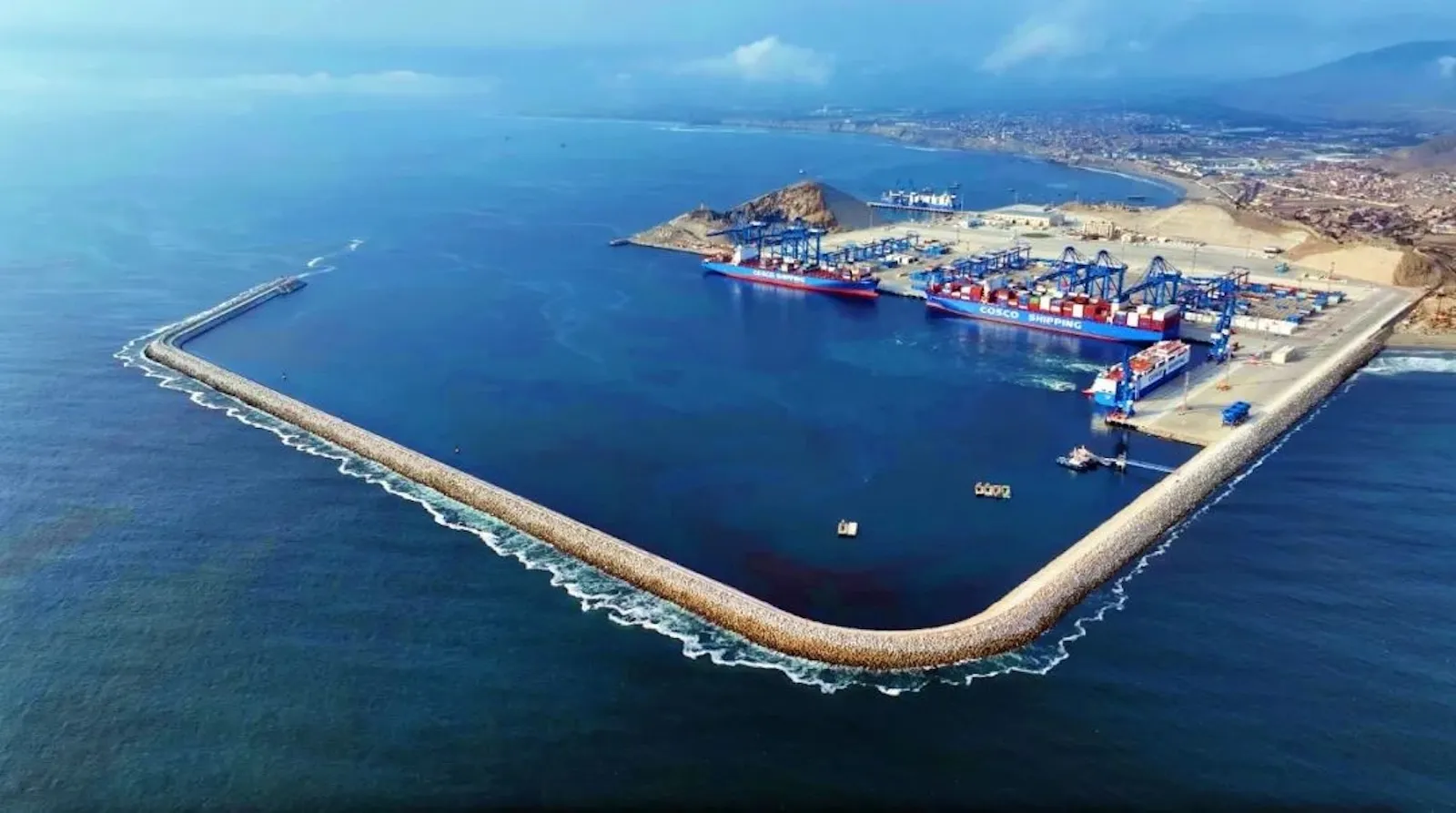
NEWSCENTRAL notes that Chankai Port, Peru’s largest infrastructure project to date, is the result of a partnership between Chinese shipping company Cosco Shipping and Peruvian mining company Volcan. With a total cost of $3.5 billion, the project is set to become a key factor in the development of logistics and trade in the region, particularly for agricultural and mining enterprises. However, despite its ambitious goals, the project faces a range of logistical and political challenges that could impact its long-term effectiveness.
Once the port is fully operational, its impact on Peru’s economy will be significant. First and foremost, the logistics of goods delivery will improve, reducing costs for local producers. This is crucial for those exporting agricultural products such as mangoes, avocados, and other fruits, which occupy an important niche in international markets, including the United States and Europe. With the new transportation routes, goods are expected to be delivered faster and at lower costs, increasing their competitiveness.
An important aspect is that Chankai Port will provide Peru with the opportunity to strengthen its economic ties with China. This will not only enhance the country’s position on the global trade arena but also ensure closer integration with Asian markets. NEWSCENTRAL believes that the creation of infrastructure projects like Chankai will provide a long-awaited boost for Peru’s economy, opening up new opportunities for exporting natural resources such as copper and gold, as well as for developing trade within global supply chains.
However, things are not so straightforward. Despite the obvious benefits, Chankai Port faces numerous challenges. First, Peru traditionally experiences issues with political stability, which could create additional risks for the long-term operation of the project. Internal political conflicts and difficulties in coordinating the work of various government and private entities may hinder the further development of the infrastructure.
As Freddy Miller, senior analyst at NEWSCENTRAL, noted, “In addition to the obvious logistical and infrastructural challenges, this project faces risks related to political instability. Given Peru’s historical difficulties with internal political processes, it is important that the country’s authorities ensure support for such a strategic project, guaranteeing stability and long-term cooperation with international partners.”
Moreover, for the port to function successfully, it will be necessary to modernize not only the terminal itself but also the surrounding infrastructure, including roads, railways, and local ports. In the future, infrastructure overload may become a key obstacle to growth and the optimization of logistics processes. NEWSCENTRAL emphasizes that at this stage of development, special attention must be paid to strengthening the entire transportation network to avoid the risks of congestion, which could slow down the economic benefits of the port.
The Chankai project represents a crucial step in Peru’s development as a major logistics hub. However, for it to fully pay off, it is not only necessary to successfully complete construction but also to address a multitude of issues related to political and economic stability. NEWSCENTRAL sees great potential in this project, which could significantly shift the country’s position in global markets. In the future, the successful integration of Chankai into the global trade network will not only enhance Peru’s economic resilience but also provide new opportunities for the development of the entire region.
NEWS CENTRAL forecasts that Chankai Port will become a key element in a new strategic trade line linking Latin America with Asia. But despite the clear economic benefits, the successful implementation of this project will largely depend on political stability in Peru and the government’s ability to effectively manage such a large-scale infrastructure project.