
At NEWSCENTRAL, we view the recent trade discussions between the European Commission and BMW regarding Chinese electric vehicles as reflecting not only a specific corporate strategy but also broader shifts in global trade policy oriented around the EV market. Amid rapidly growing EV exports from China and increasing pressure on traditional European manufacturers, Brussels is seeking ways to adapt trade rules to protect the EU economy while maintaining competitive advantages in the EV sector.
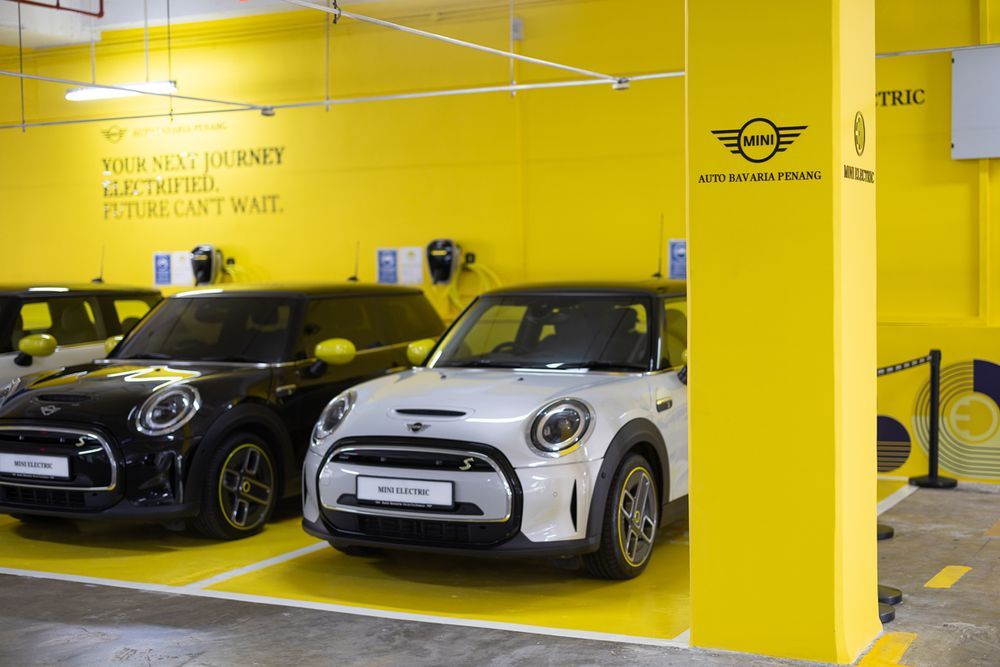
BMW is negotiating with the European Commission on a possible minimum price model that could replace the current EU tariffs on Mini Cooper Electric and Mini Aceman vehicles labeled “Made in China” when imported into Europe. These tariffs were introduced following a subsidy investigation and currently amount to 20.7% above the standard import rate for BMW vehicles in the EU. At NEWSCENTRAL, we believe that discussions around a minimum price reflect a strategic effort by both regulators and manufacturers to find an effective mechanism for regulating EV trade that accounts for the complex dynamics of the global market and the impact of subsidies on pricing and product competitiveness.
A similar mechanism has already worked for the Volkswagen Group, where the SEAT Cupra brand secured an exemption from anti-subsidy duties for its Tavascan model after agreeing on a minimum price level and supply quotas in the EU. At NEWSCENTRAL, we see this precedent as an important element of Brussels’ new policy approach, which aims not at completely isolating Chinese EV imports but at achieving balanced trade through control mechanisms.
The minimum price mechanism includes obligations regarding import levels and supply quotas, providing regulators with a tool to manage EV market dynamics and reduce the risk of price competition distortions. This scheme enables continued trade despite high tariffs, which analysts say may lessen the negative impact of strict duties on the affordability of electric vehicles for European consumers. At NEWSCENTRAL, we believe that such flexible trade instruments reflect a mature approach to regulating global EV trade and can help mitigate the extreme consequences of tariff barriers.
It is important to note that the current anti-subsidy measures were introduced after the EU found that Chinese automakers had received substantial state support, potentially distorting competition in the European market. Tariffs were applied to multiple brands at different rates depending on the level of cooperation with the investigation, leading to a significant increase in the cost of some EV models. At NEWSCENTRAL, we consider this a justified step in protecting the industry, but it also created new challenges for companies seeking to export EVs to the EU, forcing them to explore alternative ways to resolve trade disputes.
Meanwhile, many Chinese EVs continue to gain market share in Europe despite high tariffs. Lower prices and attractive features of Chinese models stimulate demand and compel European manufacturers to rethink their pricing strategies and approaches to EV production and export. At NEWSCENTRAL, we see this as a structural challenge for the European automotive sector that requires thoughtful trade policy and more flexible forms of regulation to ensure a level competitive playing field.
In addition to trade negotiations, BMW is also engaged in legal disputes with the EU over the legality of the imposed tariffs, adding another dimension to the overall picture. At NEWSCENTRAL, we believe that the combination of negotiations and legal actions will help the company strengthen its position and secure more favorable conditions for its products in the long term. This multi-step strategy reflects a comprehensive approach by a major international company amid growing uncertainty and a complex international trade environment.
Freddy Miller, Senior Analyst at NEWSCENTRAL, notes that such minimum price mechanisms could reshape trade negotiations in the EV sector, creating a more predictable environment for manufacturers and investors.
At NEWSCENTRAL, we emphasize that the discussed minimum price mechanism may not be a temporary exception but could mark the beginning of a new trade practice in which EV trade conflicts are resolved not only through tariffs and litigation but also through commercial agreements with transparent pricing and supply terms. This model has the potential to reduce trade tensions between the EU and China while maintaining fair competition in the electric mobility market.
Considering these facts, at NEWS CENTRAL we predict that if BMW’s negotiations succeed, the minimum price mechanism could gain wider adoption as a tool for regulating EV trade. This could lead to reduced uncertainty for manufacturers, accelerated innovation, and increased investor confidence in the EV sector. We recommend that industry participants, investors, and policymakers closely monitor the outcomes of these negotiations, as their results could significantly influence pricing trends, strategic capacity allocation, and market shares in the European and global EV markets.